Gil Berzal
Laguardia • Rioja Alavesa • Álava
Location:  Rioja Alavesa, Álava, Spain
Village: Laguardia
Appellation: Spain
Climate: Continental with strong Atlantic influence
Elevation: 600m to 750m
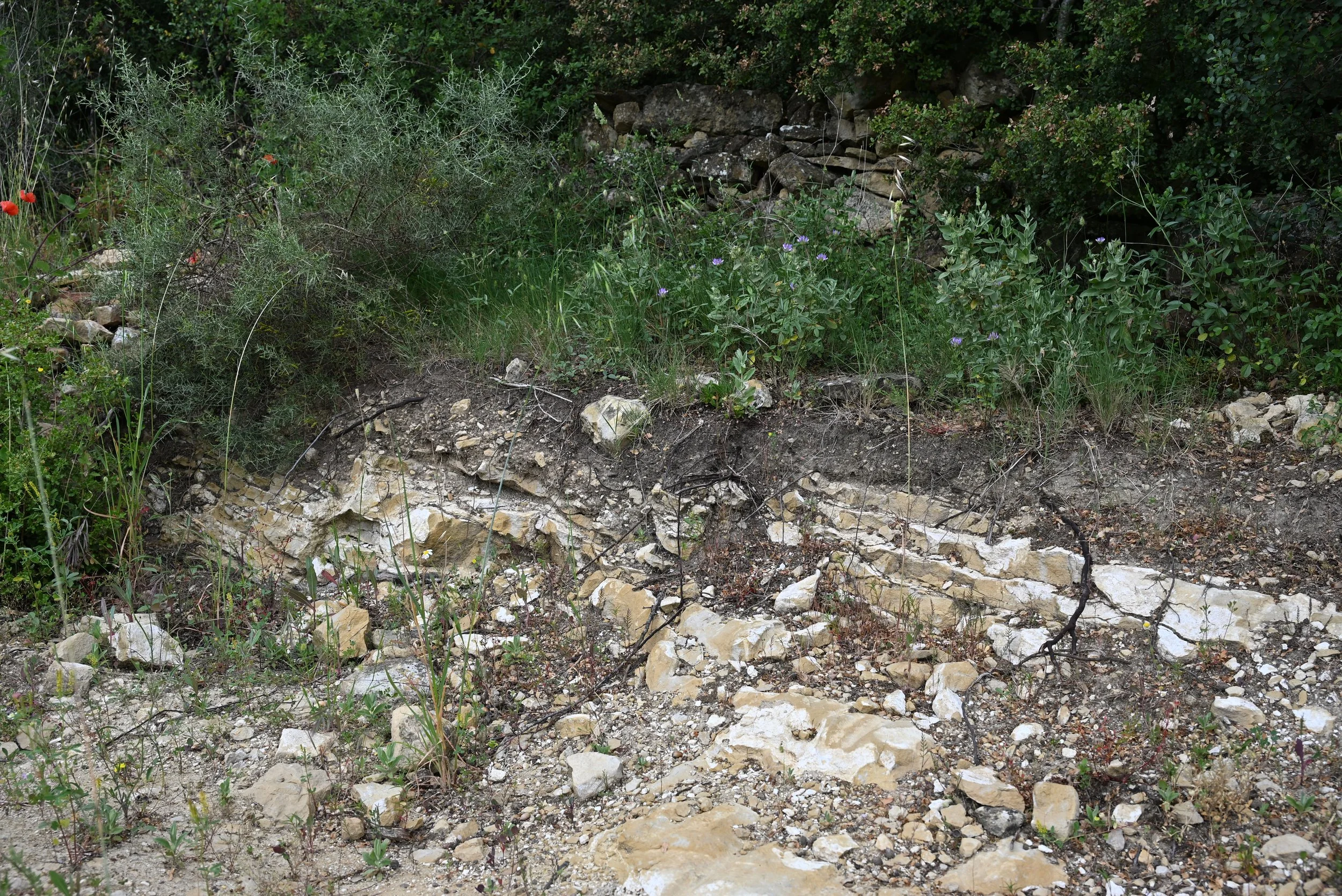
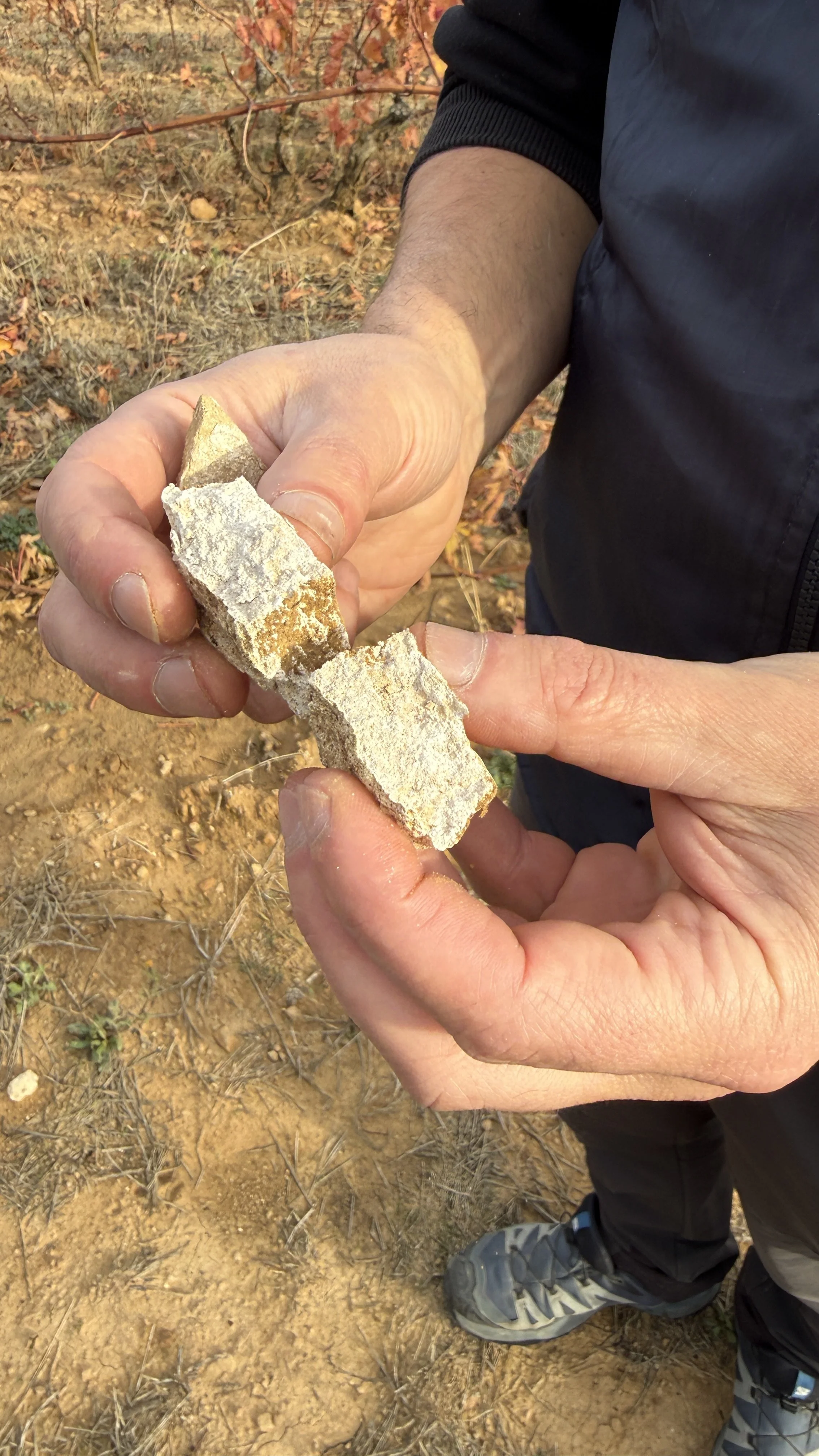
Soils: Thin (very) calcareous clay soils over fractured limestone bedrock
Vineyards: Approx 18ha
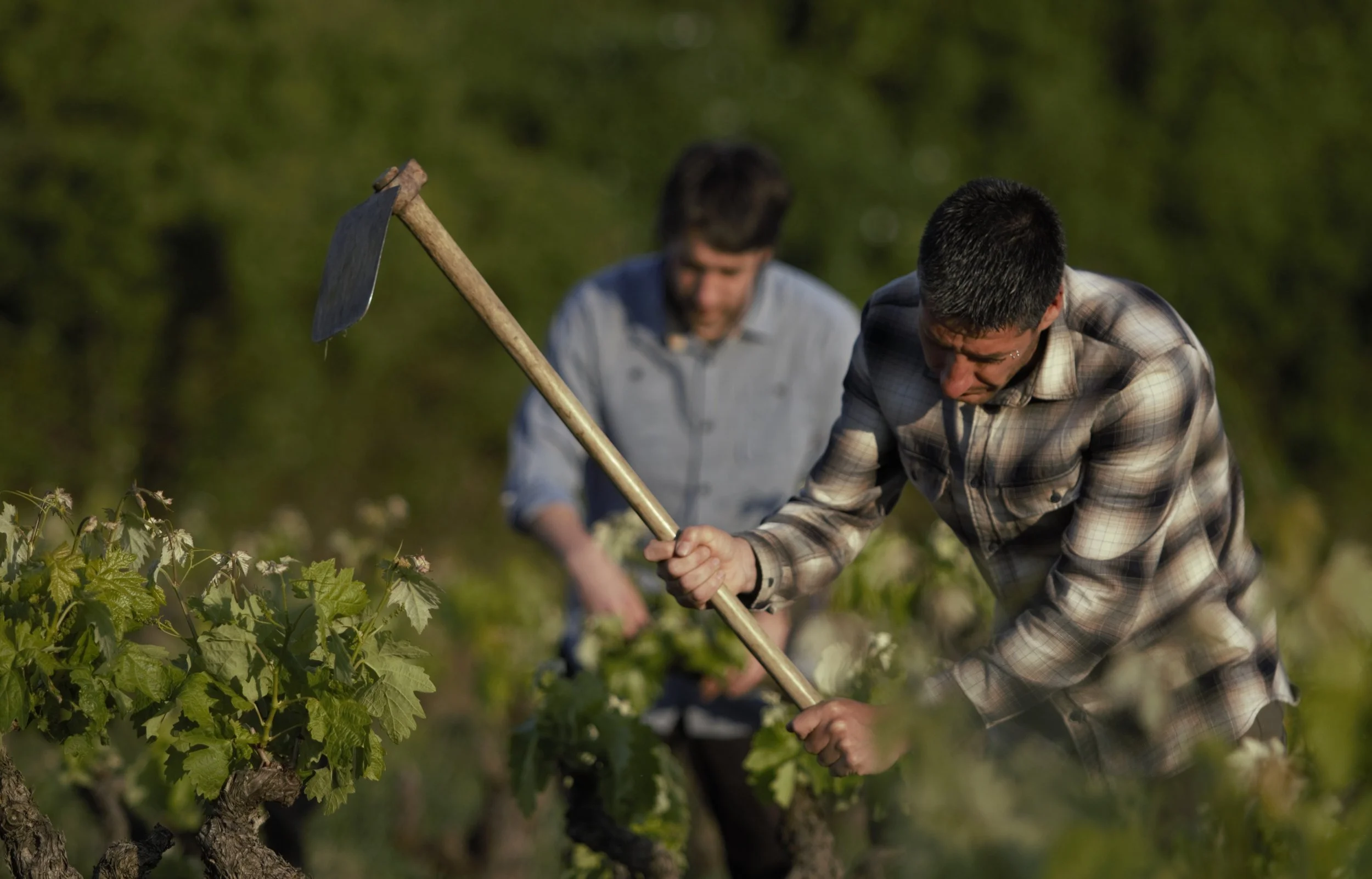
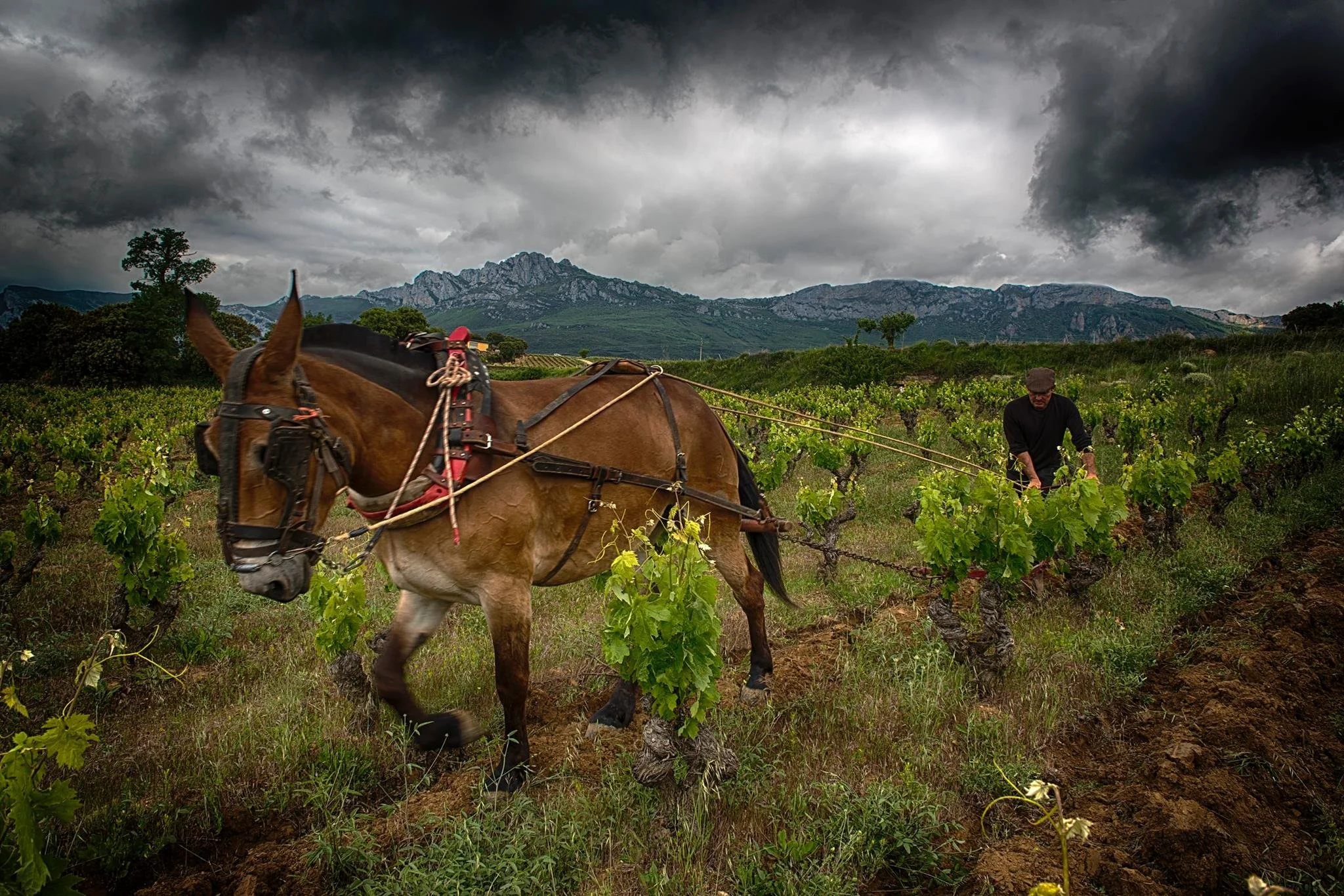
Farming: Certified Organic, Biodynamic, Regenerative, ground cover, human-powered
Varieties: Tempranillo, Garnacha, Viura, Malvasia, Mazuelo, Graciano, and Calagraño
Cellar: Hand harvesting, some whole clusters, gravity flow, native yeast spontaneous fermentations in cement, no temperature control,  minimal intervention, low SO₂, malo and aging in large French barrels, no fining or stabilizing
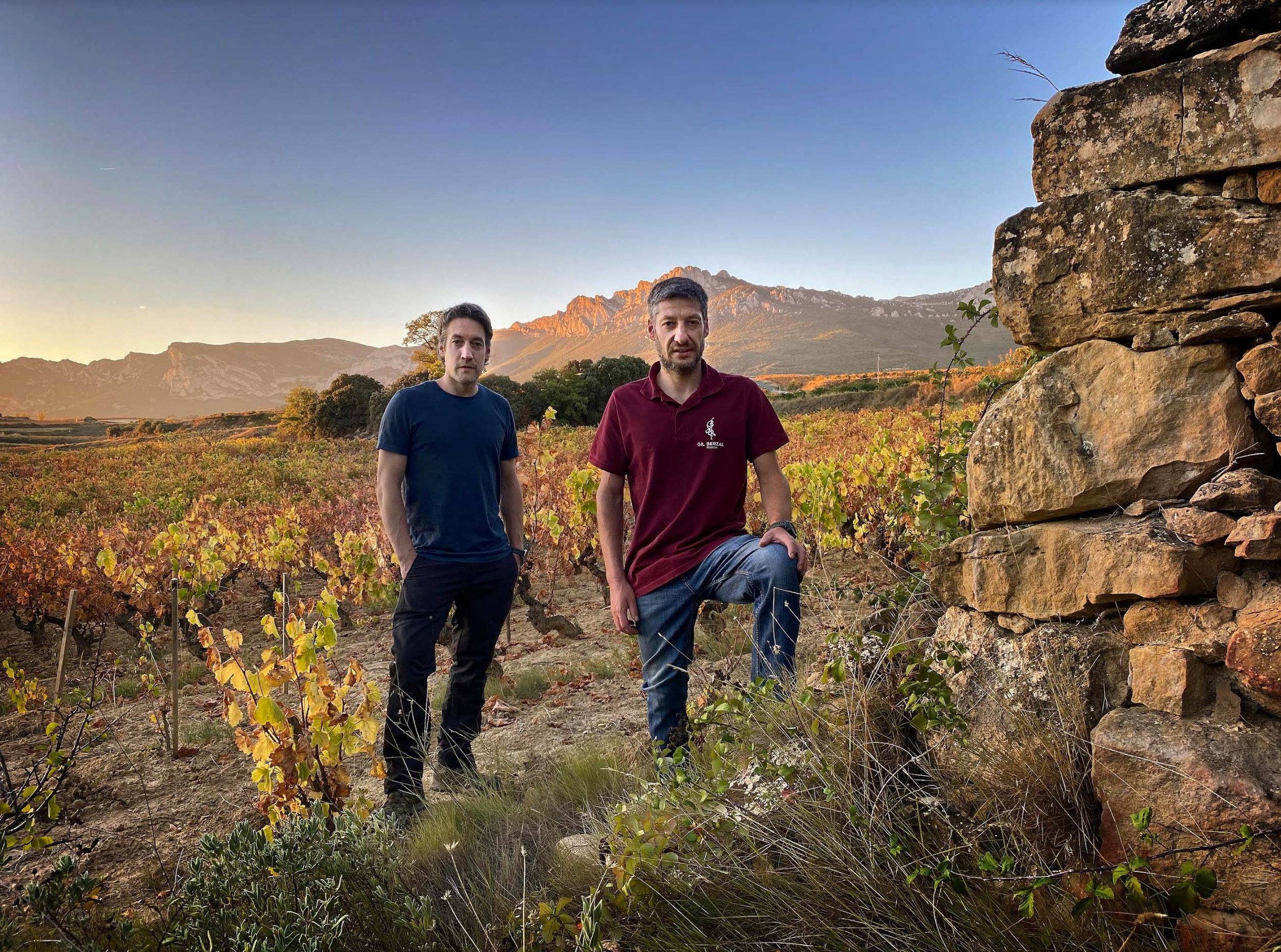
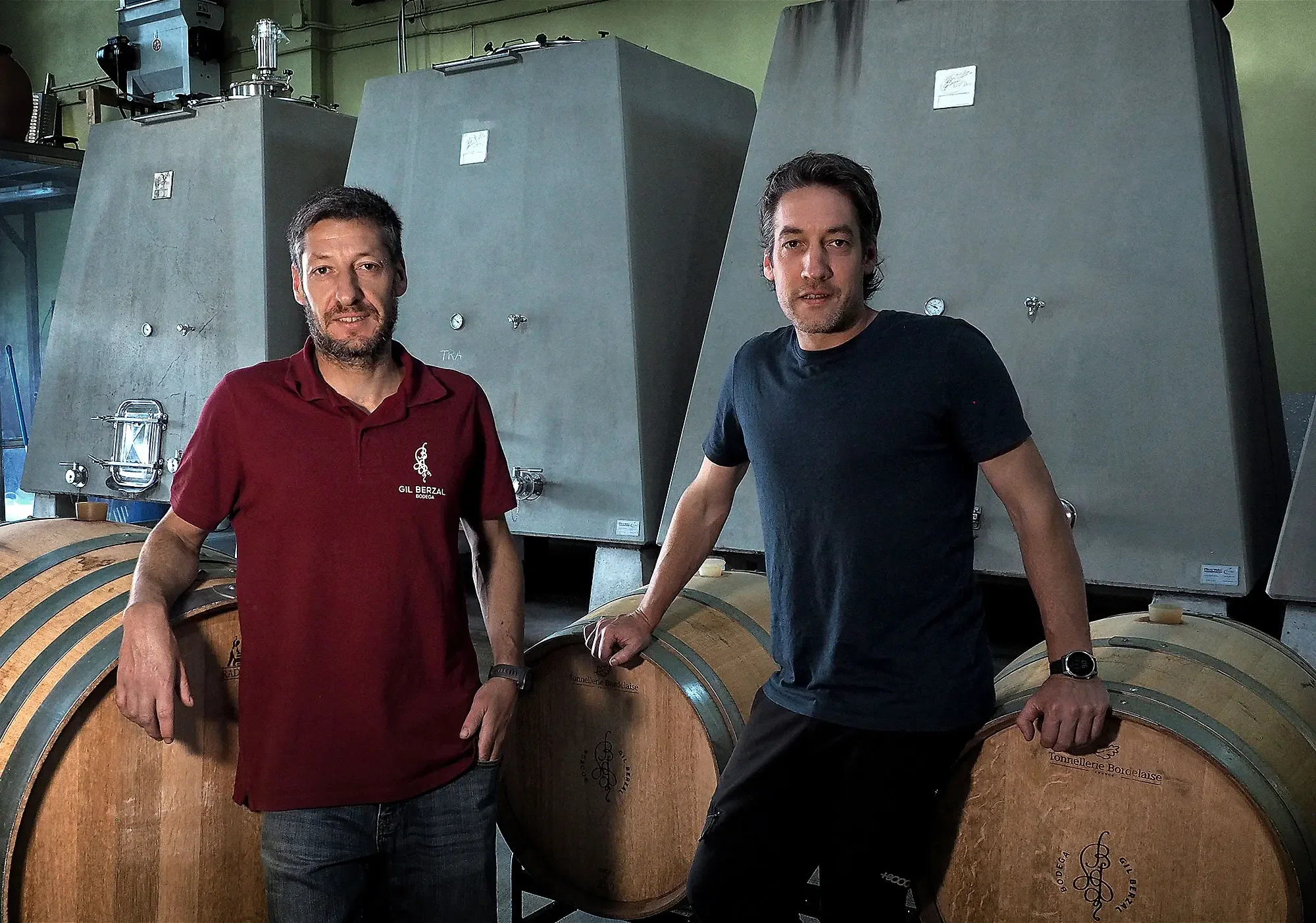
Proprietors: Saúl and Benjamín Gil Berzal
Viticulture: Benjamín Gil Berzal
Winemaker: Saúl Gil BerzalLaguardia
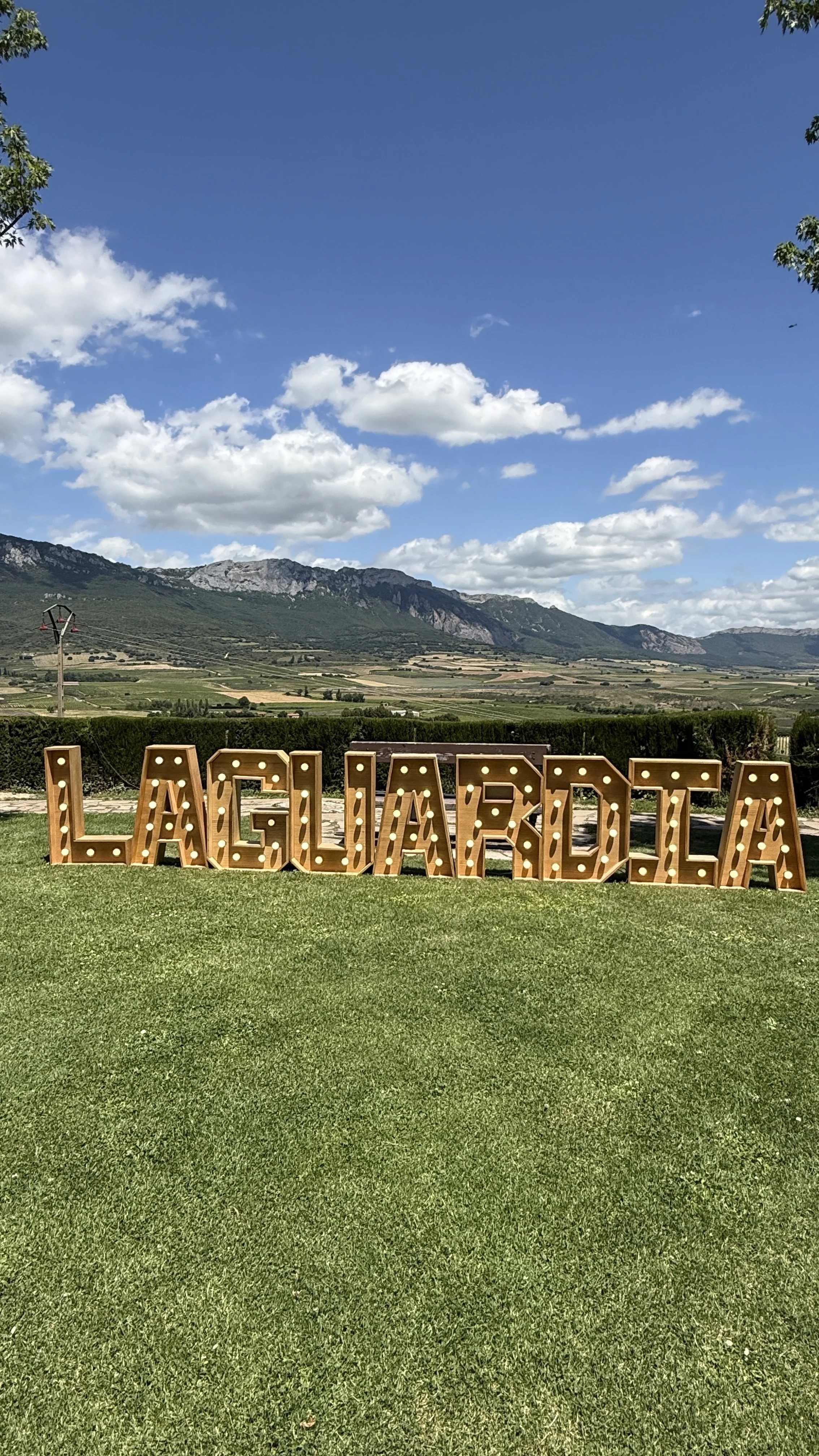
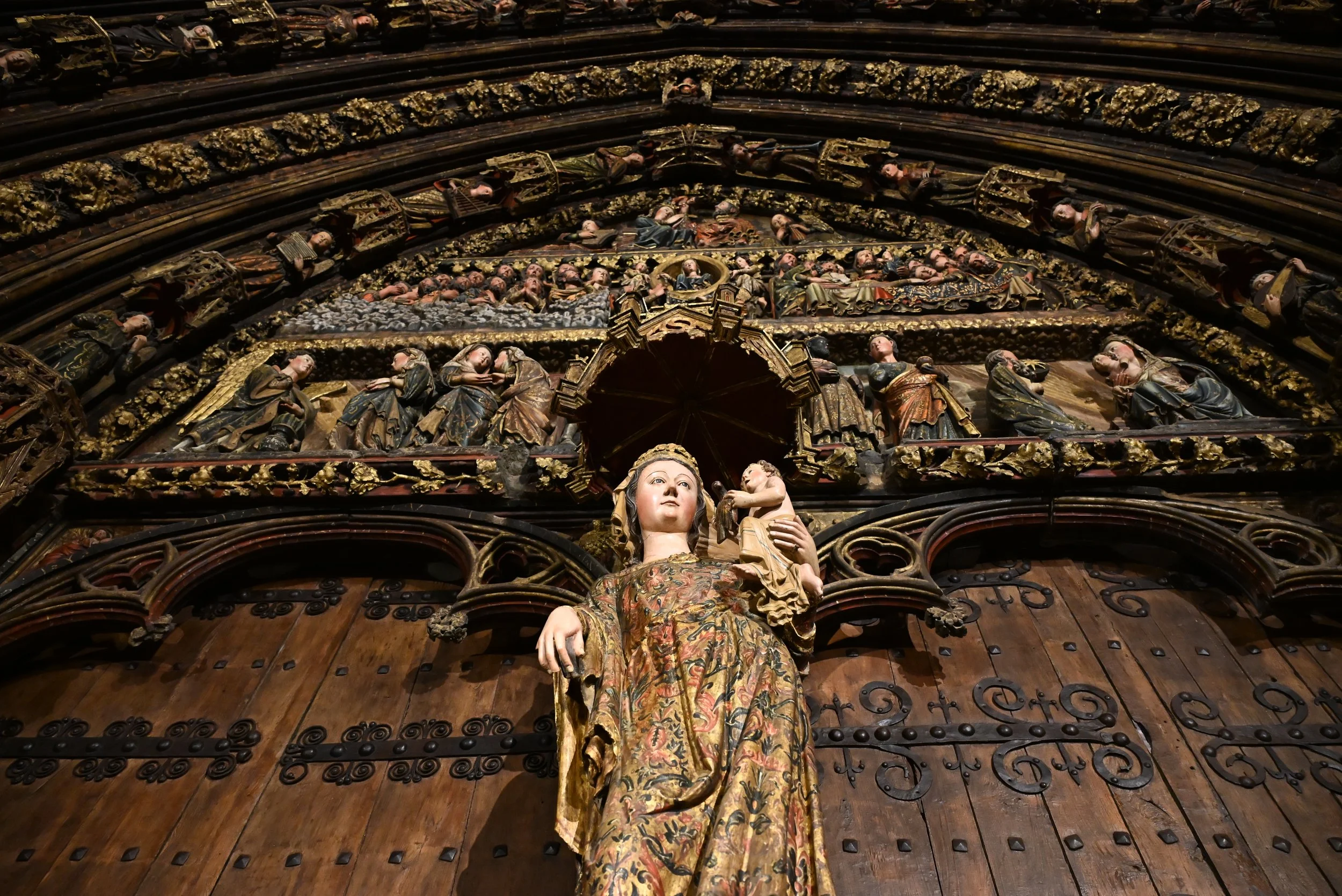
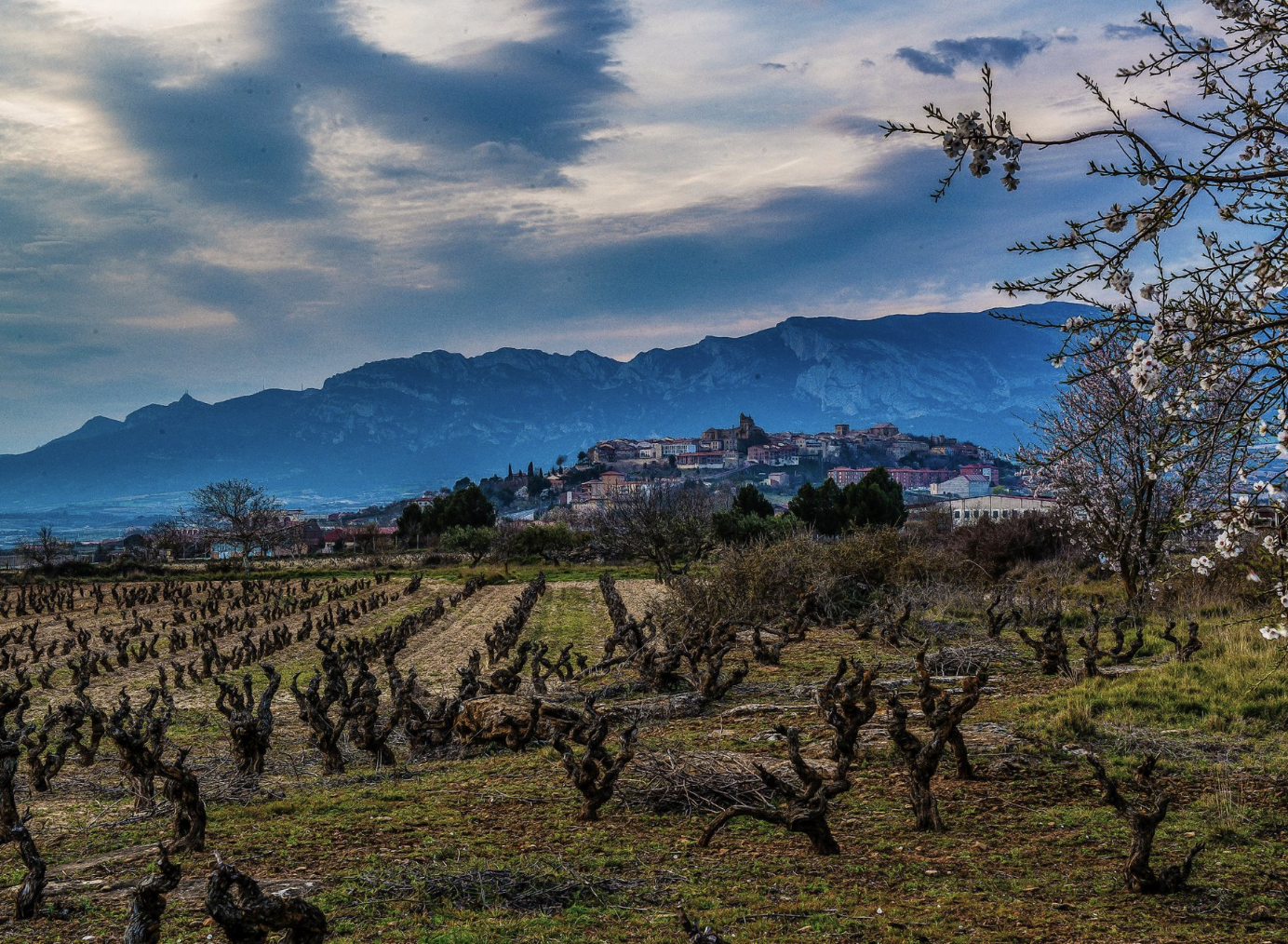
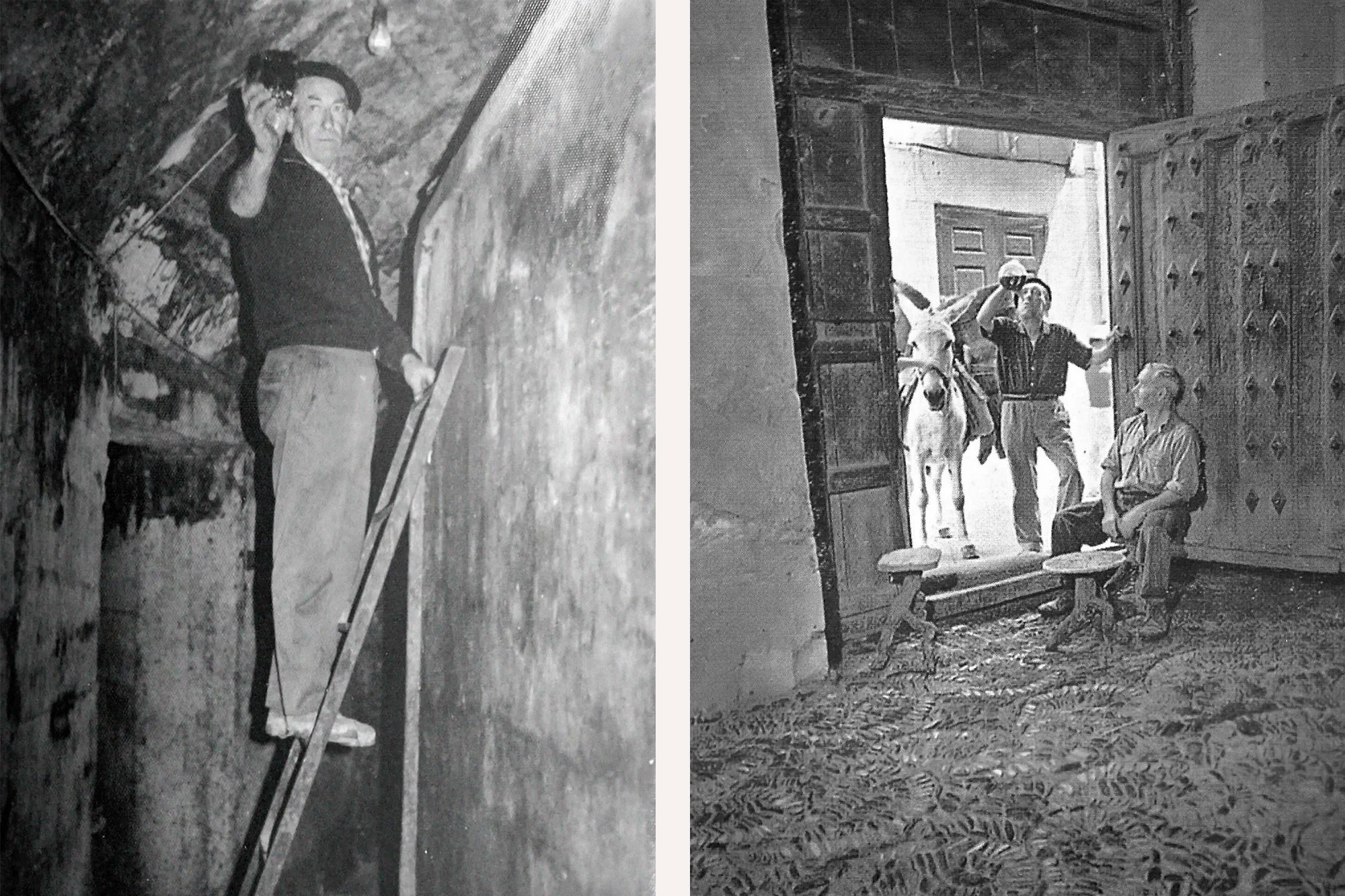
Few wine villages in Europe possess the remarkable energy found in Laguardia. Rising on a hill above the vineyards of Rioja Alavesa on a fortified limestone ridge beneath the Sierra de Cantabria, the medieval town has shaped the wine culture of the region for centuries. Encircled by ancient stone walls from the 12th century and protected by the mountains to the north, Laguardia has served as both an important strategic stronghold for the Kingdom of Navarre and one of the Basque Country’s great historic wine villages. Beneath its narrow pedestrian streets lies a labyrinth of more than two hundred underground calados, hand-carved cellars, used for generations to ferment and age wine, including by the ancestors of the Gil Berzal family. Today, Laguardia is remarkably well-preserved and highly visited for its natural beauty and historical significance.
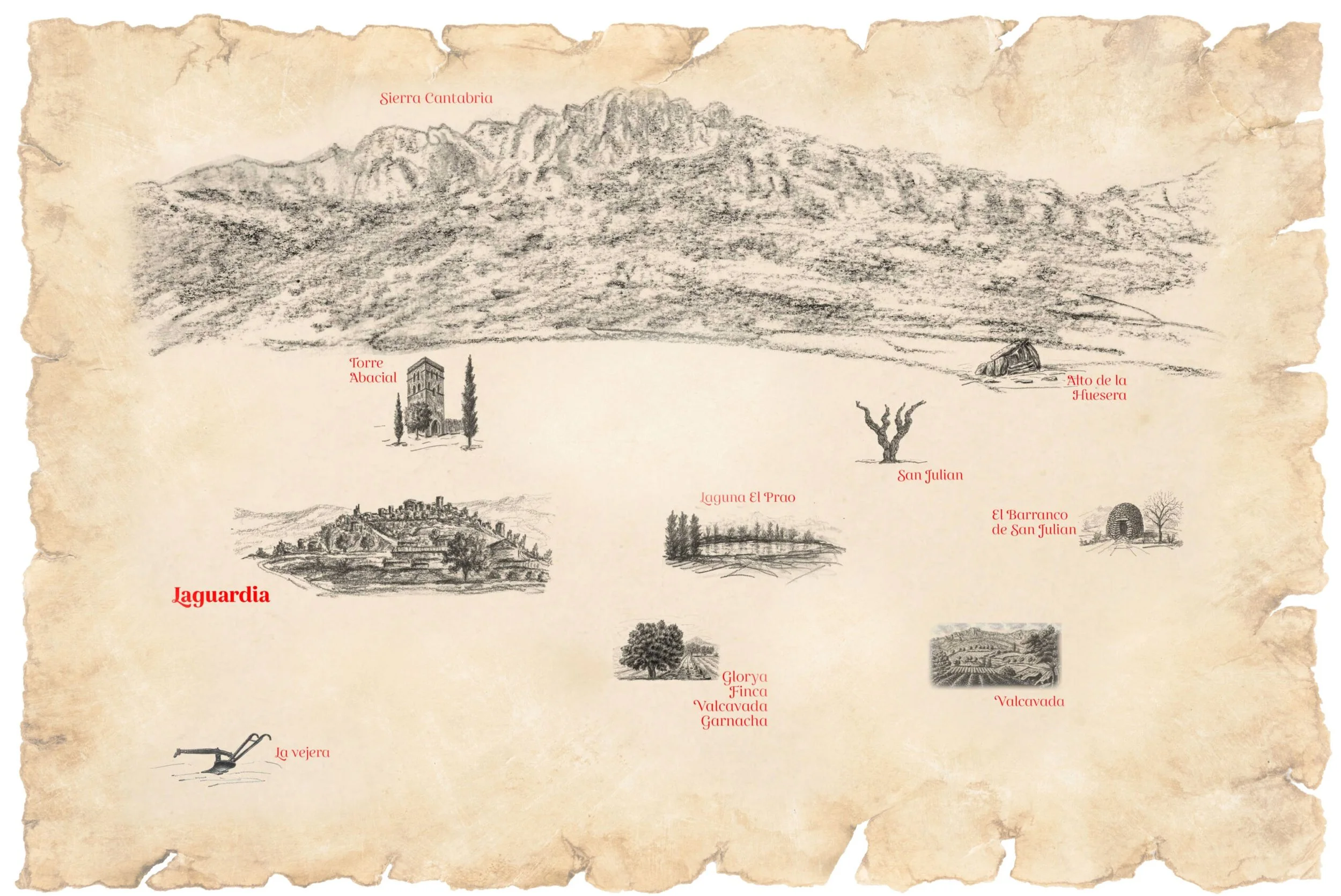
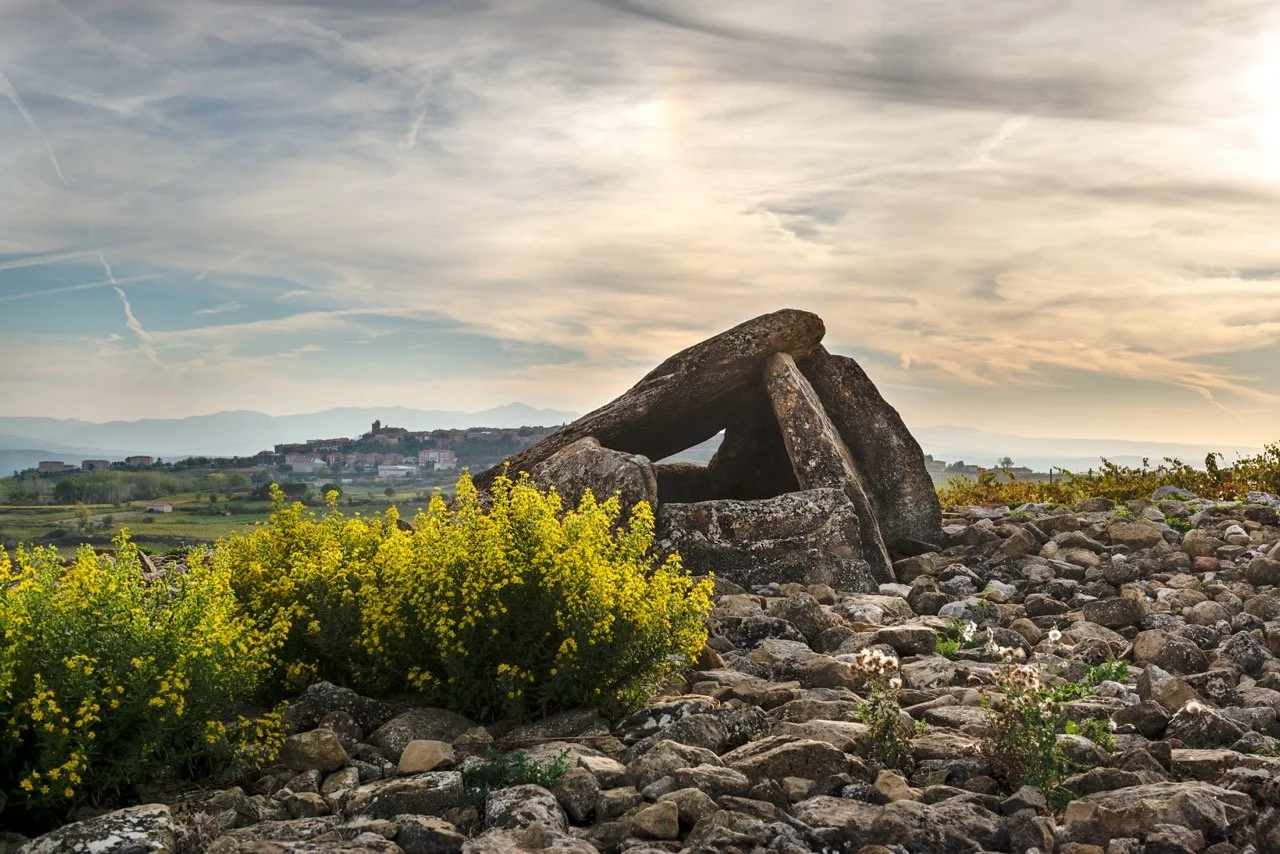
The surrounding landscape tells an even older story. The Laguardia area has an incredibly rich historical past built on a pre-Roman settlement of the Celtiberian-Berona culture who eventually funded the village of Laguardia. Bronze Age archaeological sites such as the nearby Poblado de La Hoya (1200 BCE) and Dolmen del Alto de la Huesera (3600 BCE) and the many megalithic monuments scattered throughout Rioja Alavesa testify to the unbroken lineage of human settlement in the region. Viticulture has been woven into this landscape for thousands of years, and the rhythms of farming continue to define life in Laguardia much as they do today.
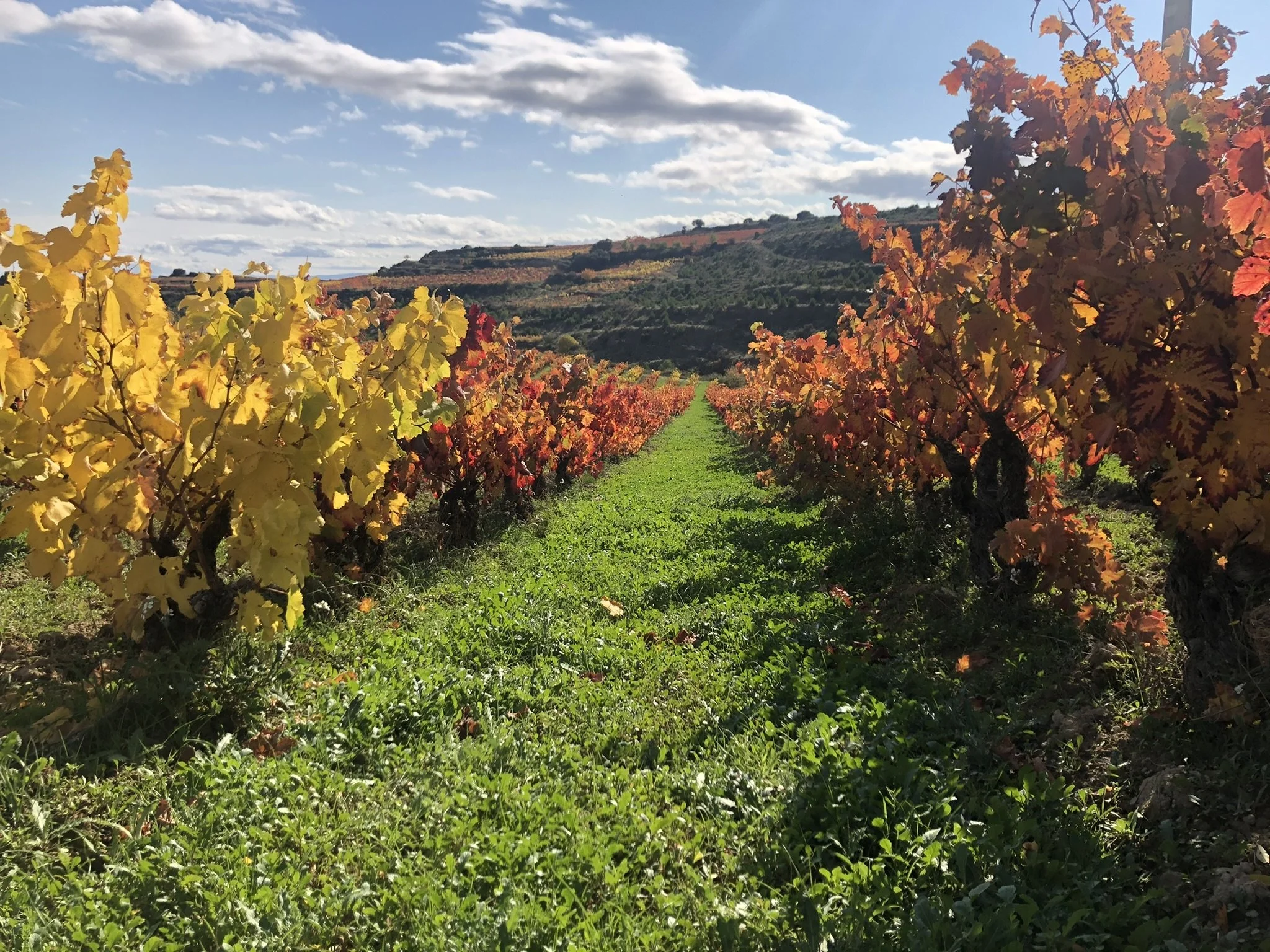
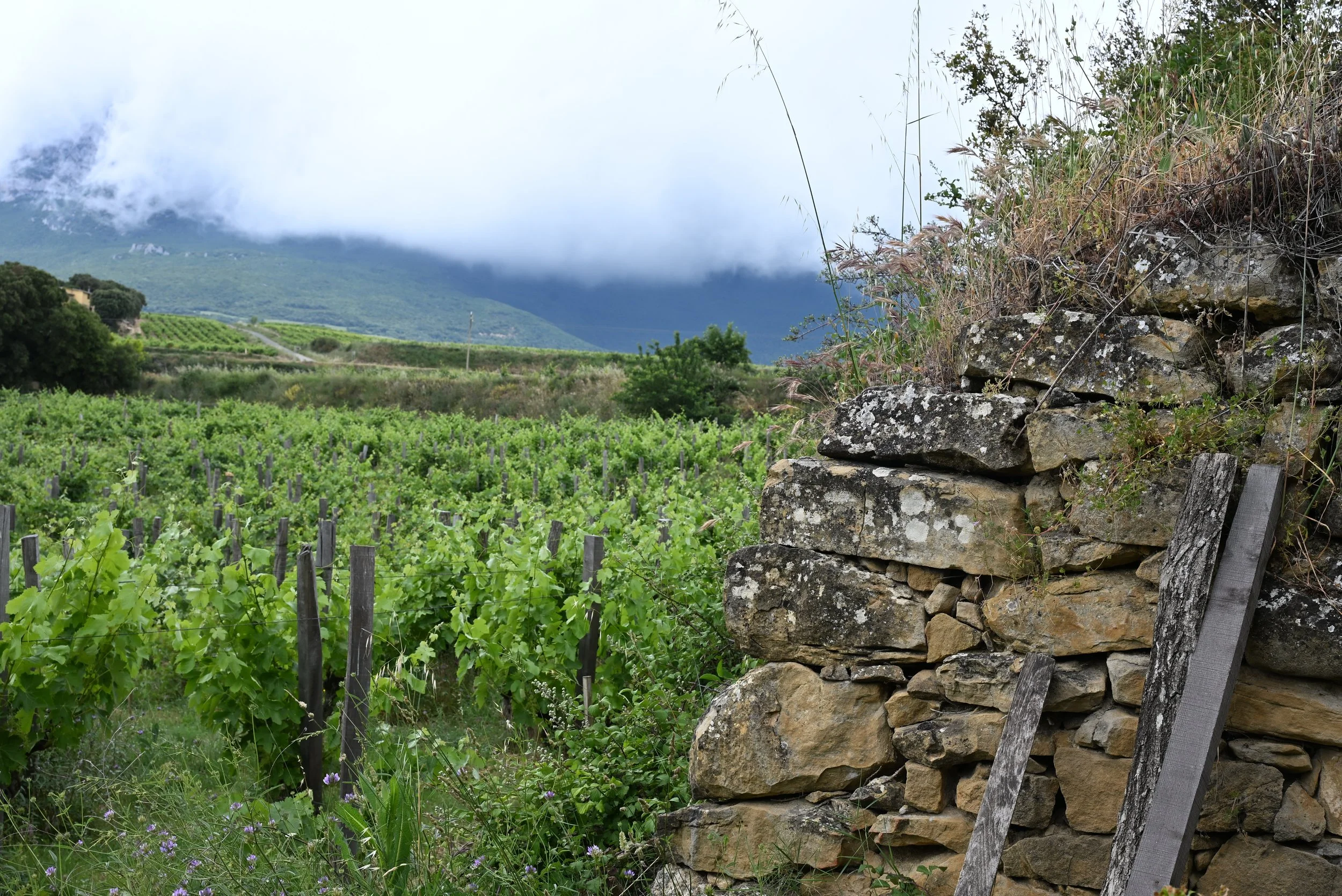
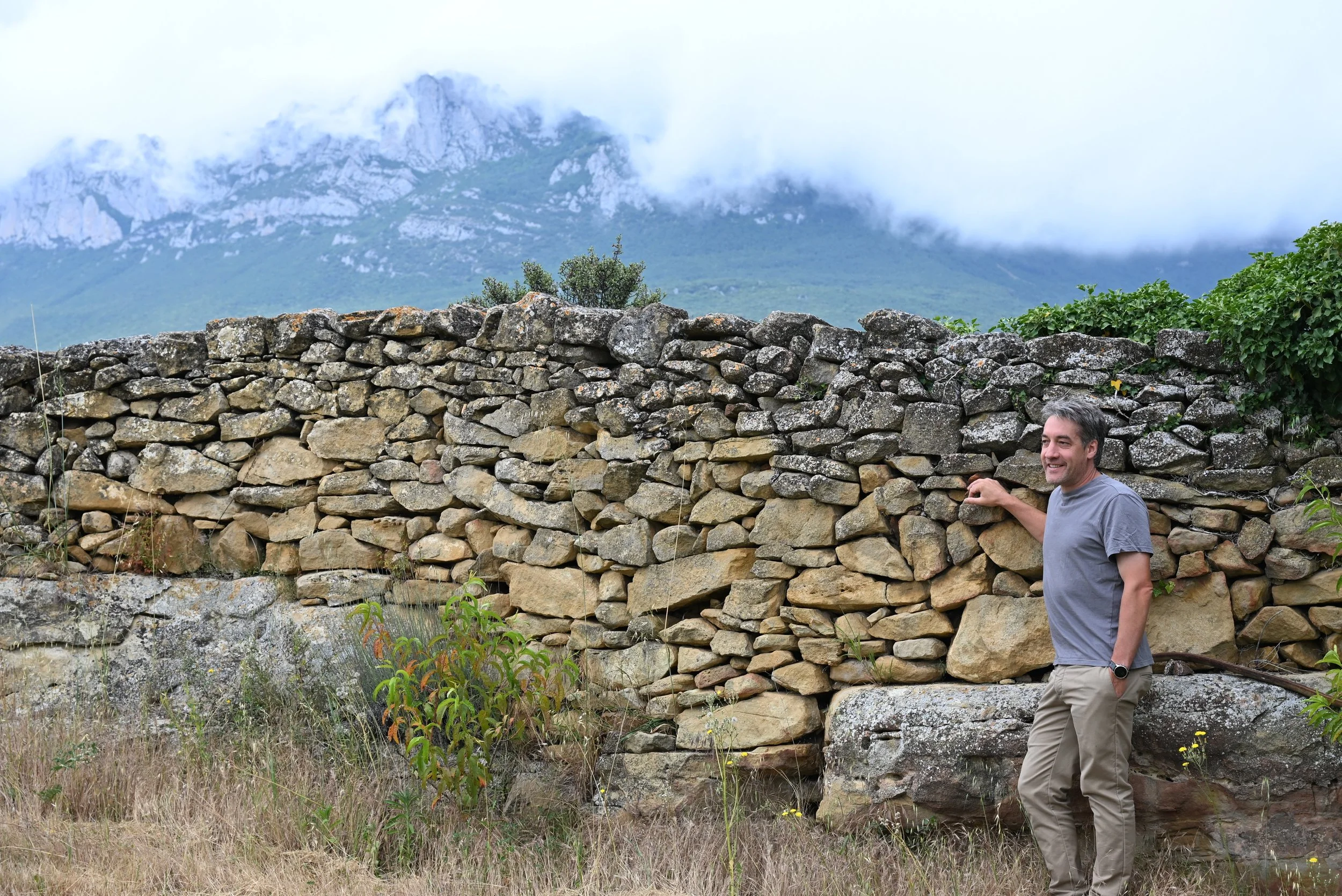
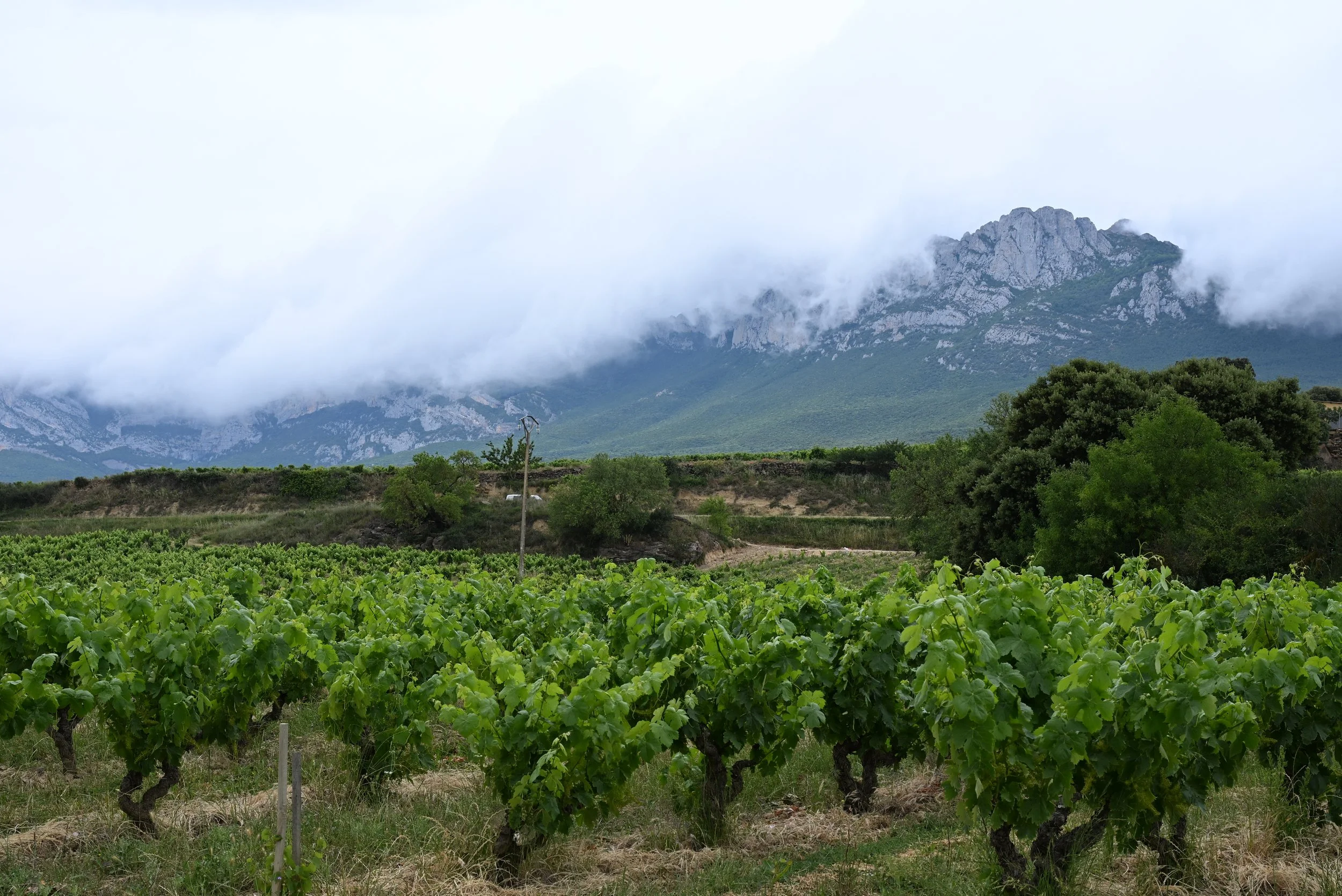
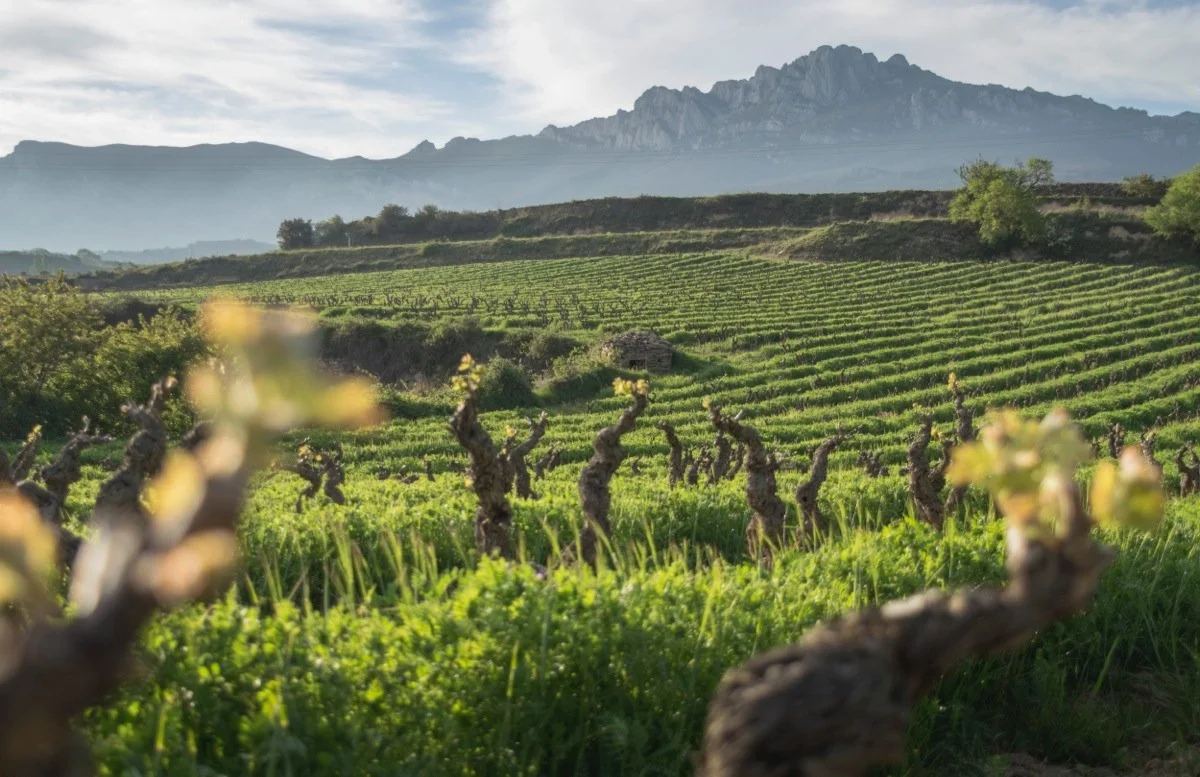
The vineyards surrounding the village occupy one of Rioja's most privileged growing environments. Situated between the Sierra de Cantabria and the Ebro River, they benefit from an exceptional combination of altitude, geology, and climate. Gil Berzal's vineyards lie on the cooler northern side of Laguardia, directly beneath the mountains at elevations ranging from approximately 600 to 750 meters. A band of limestone-rich clay soils runs through the heart of the Sonsierra, producing some of Rioja Alavesa's most distinctive wines. In this area, thin calcareous clay soils resting over fractured limestone bedrock encourage deep rooting and naturally moderate vine vigor, while the Atlantic influence flowing through the mountain passes preserves freshness and acidity throughout the growing season.
The Sierra de Cantabria plays a defining role in the region's identity. Shielding the vineyards from the cold and humidity of Spain's northern coast, the mountain range creates a unique microclimate through the Foehn effect. Moist Atlantic air condenses over the peaks before descending into Rioja Alavesa as cool, dry winds, creating moderate conditions that are particularly favorable for viticulture while extending the growing season and aerating the vines.
This northern sector of Laguardia possesses a slightly different personality than the vineyards closer to the Ebro River. Southern parcels tend to be warmer, with deeper sandy soils that produce broader, more generous wines. Near the mountains, however, cooler temperatures, higher elevations, and frequent summer storms shape wines of greater tension, mineral expression, and structural finesse. Gil Berzal's vineyards occupy this privileged position, where freshness, energy, and longevity emerge naturally from the landscape.
For the Gil Berzal family, Laguardia is more than a place of production. They see themselves as stewards of a living cultural landscape whose history, traditions, and vineyards remain inseparable. Each wine begins with the understanding that great wine is intimately linked to its soil, climate, people, and culture. Their work is rooted not simply in preserving old vineyards, but in safeguarding the identity of one of Spain's most historic wine-growing villages for future generations.
The Gil Berzal Family
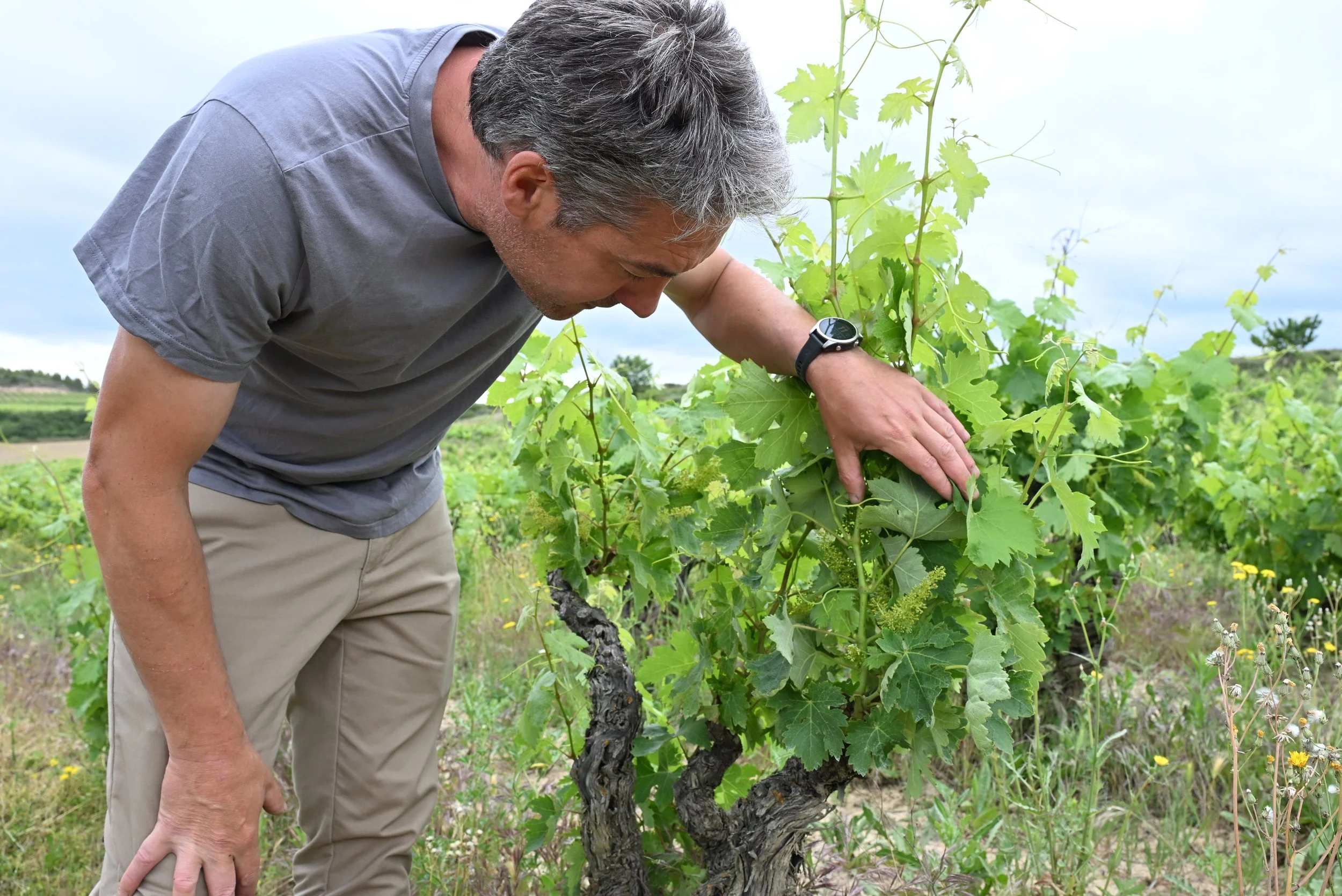
Gil Berzal is among the vanguard of Rioja producers who have chosen to move beyond the traditional framework of the appellation in pursuit of a deeper understanding of place. The family's story began more than a century ago in the vineyards surrounding Laguardia, where five generations have devoted themselves to the vineyard, passing knowledge from one generation to the next.
The family has produced its own wines for three generations, as bottles from the 1936 vintage remain a tangible reminder of this legacy. Long before Rioja became an internationally recognized appellation, the family sold wine directly to merchants arriving from Bilbao and Bergara, or to customers who traveled to Laguardia carrying demijohns to fill at the family cellar. Like so many growers throughout Rioja Alavesa, they were first and foremost winegrowers whose livelihood depended upon the vineyards surrounding their village.
Today's winery was established by José Luis Gil and Gloria Berzal, who built upon the work of their ancestors. José Luis has long been a passionate advocate for traditional farming and an outspoken critic of industrial viticulture. An artist as well as a winegrower, his hand-drawn illustrations continue to grace the winery's labels, reflecting the deeply personal nature of the family's work.
Their sons, Saúl and Benjamín, grew up immersed in every aspect of vineyard life. The aromas of harvest and fermentation became part of childhood, forging an understanding of wine that could never be learned in a classroom. While both brothers carry forward the traditions of previous generations, it was Saúl's experiences beyond Rioja that helped redefine the family's future.
After working in Nuits-Saint-Georges in Burgundy, Saúl returned to Laguardia with a renewed appreciation for the extraordinary potential of his family's vineyards. Burgundy offered him a different vocabulary for understanding place, one centered on individual climats and the subtle distinctions that emerge between neighboring parcels. Rather than attempting to imitate Burgundy, however, Saúl applied those lessons to Rioja Alavesa, recognizing that Laguardia possessed its own remarkable mosaic of historic vineyards worthy of the same level of attention and respect.
That realization gradually transformed the direction of the winery. Rather than producing wines defined primarily by aging categories or cellar practices, the family began focusing on the distinct personalities of individual vineyards. Viticulture would increasingly adapt to the needs of each parcel and each vine, not the other way around. The objective shifted toward allowing each site to express itself with greater clarity, preserving the subtle differences that make one corner of Laguardia distinct from another.
Today, Saúl and Benjamín share responsibility for both the vineyards and the cellar, while José Luis and Gloria continue to contribute the perspective accumulated over generations. The result is not a break from tradition, but its natural evolution that honors the family's past while continuing to deepen its understanding of the remarkable landscape they call home.
"As winegrowers, we must pause in an increasingly fast-paced world. We must listen to those who came before us, value their wisdom, and return to the origins of our viticulture to recover the respect and connection with nature they understood so well." — Saúl Gil Berzal

Vineyards & Philosophy
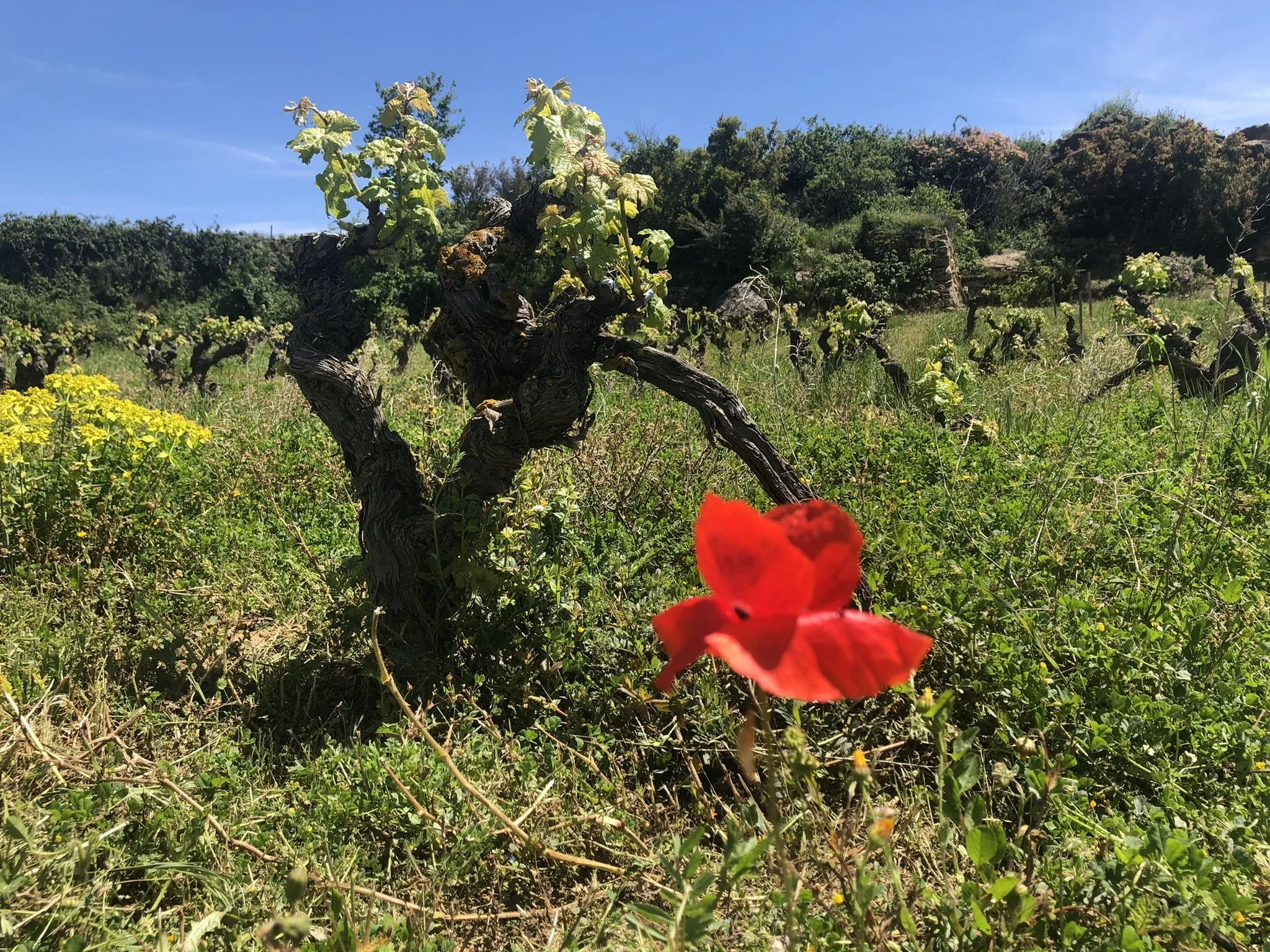
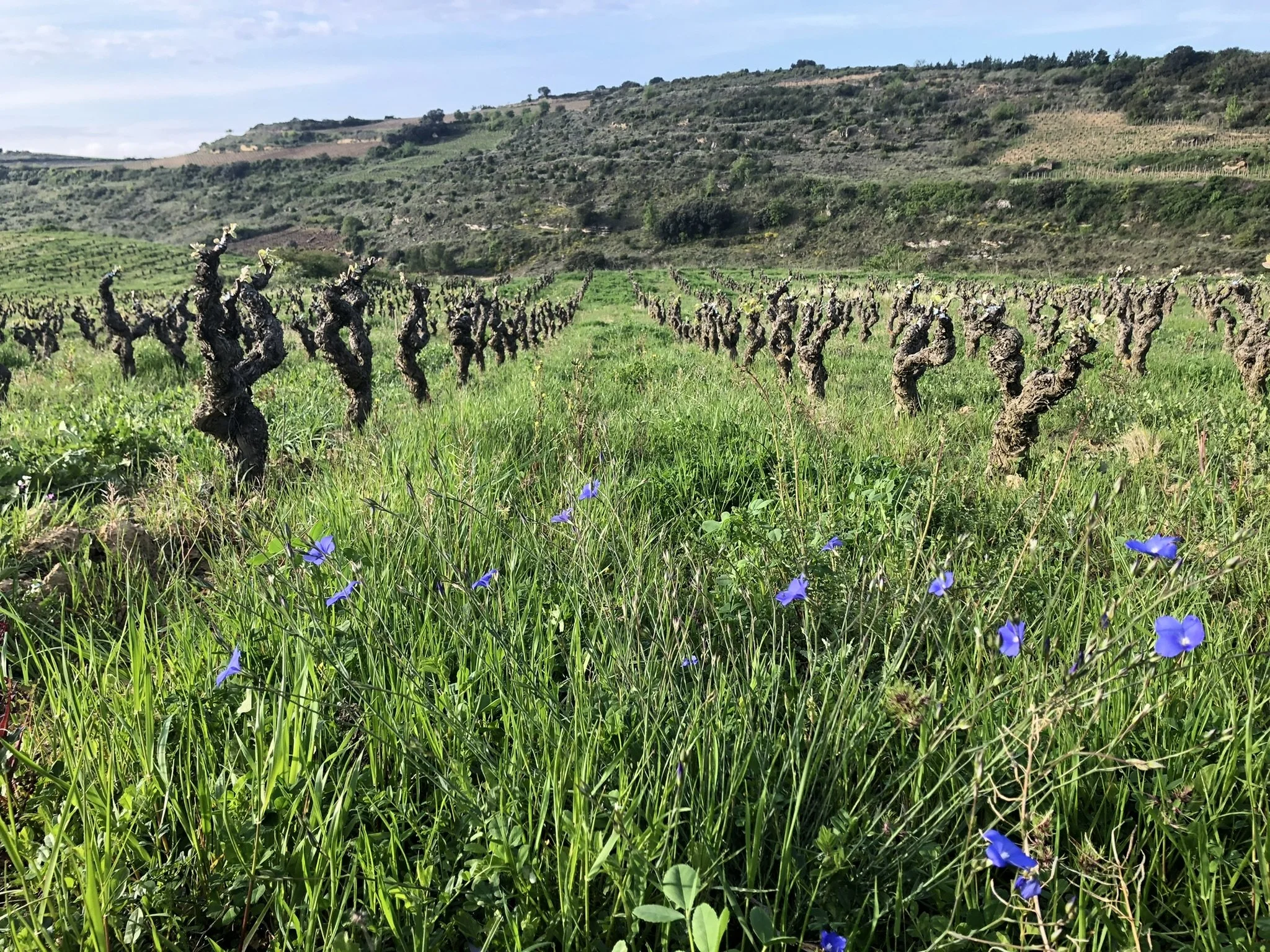
Gil Berzal farms approximately 18 hectares of estate vineyards surrounding Laguardia, all of which are certified organic and cultivated using regenerative and biodynamic principles. The family does not purchase outside fruit. Most vineyards are old bush-vine parcels that have been passed down through successive generations, while others have been carefully preserved and assembled over time into a remarkable collection of historic sites spread throughout the hills surrounding the village.
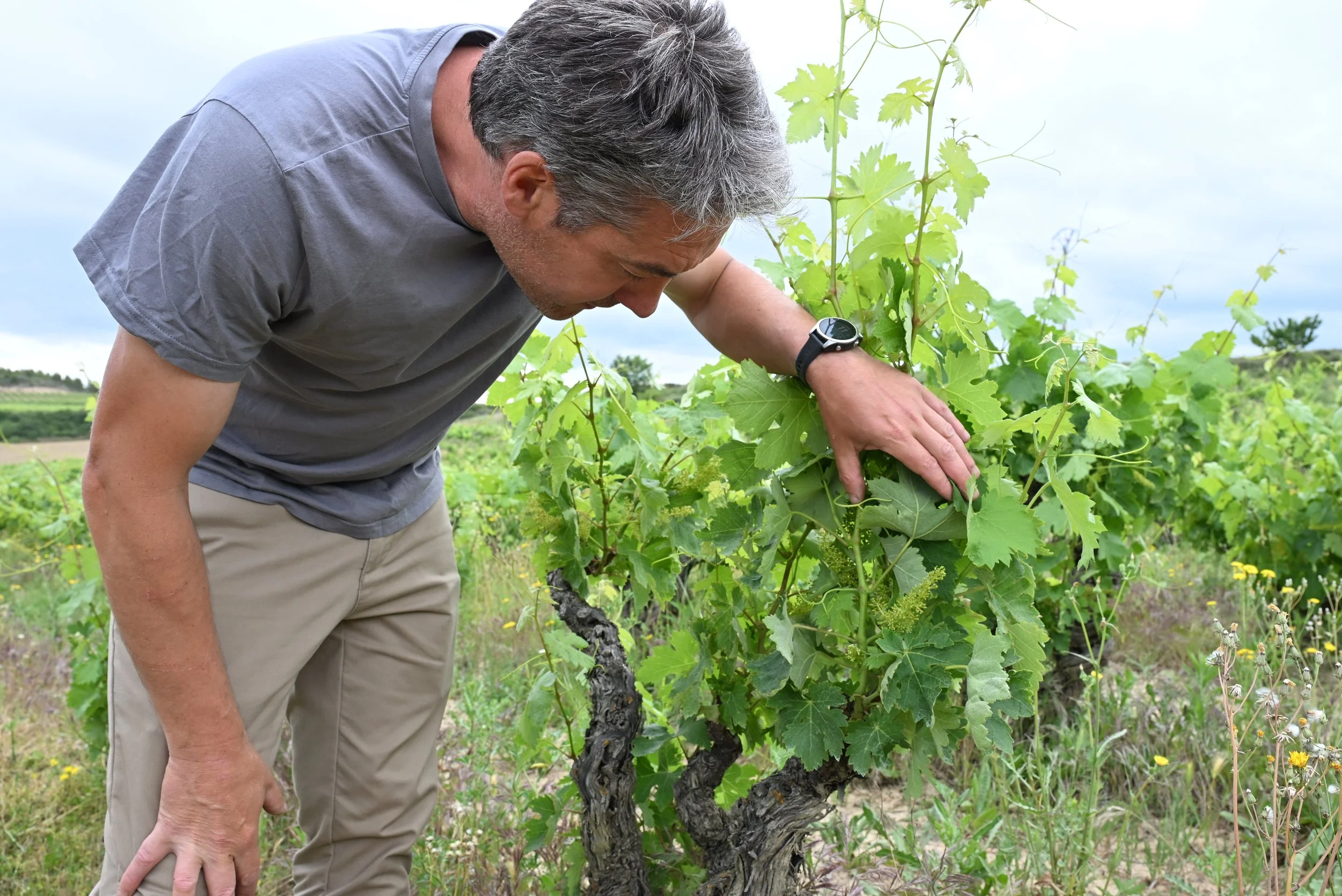
Each parcel possesses its own soils, exposures, elevations, and growing conditions, contributing a distinct perspective on Laguardia's landscape. Understanding those subtle differences has become the foundation of Saúl and Benjamín’s work and, increasingly, the way they think about wine itself.
Saúl describes this philosophy as "Bohemian Viticulture," a phrase that reflects far more than a farming method. It is a way of approaching viticulture rooted in freedom, honesty, and respect for nature rather than convention or production targets. Organic farming, biodynamic preparations, regenerative practices, and increasing biodiversity are not modern adaptations adopted to satisfy certifications or market demand. They are the continuation of values that have guided the family for generations.
"To move beyond convention and dogma in order to create wines as naturally as possible, wines that faithfully reflect their environment. That is Bohemian Viticulture." — Saúl Gil Berzal
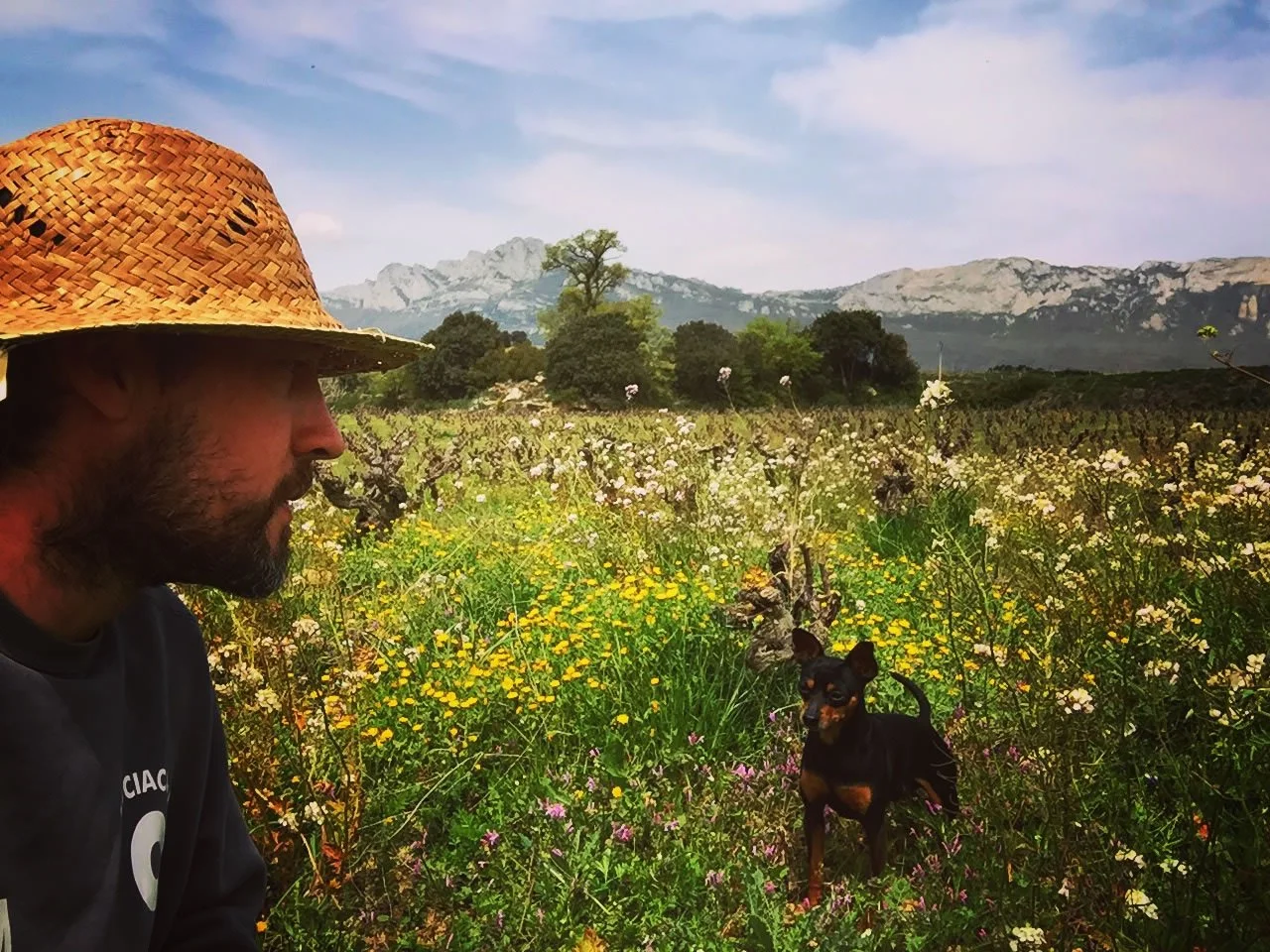
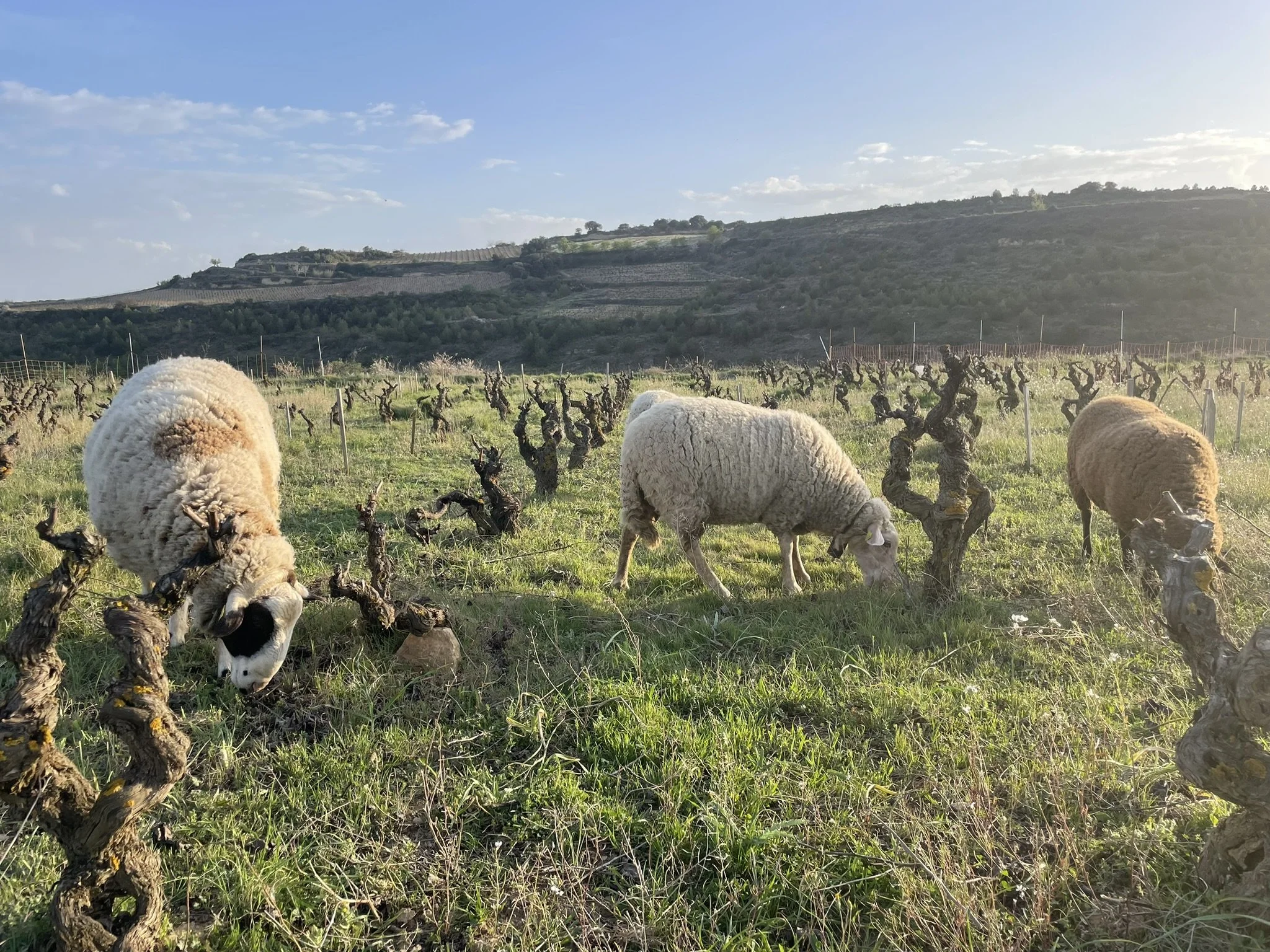
For the Gil Berzal family, the vineyard functions as a living organism. Healthy soils, native ground cover, insects, birds, surrounding forests, and native vegetation all contribute to the vitality of the ecosystem. In recent years, Saúl and Benjamín have planted hundreds of trees throughout their vineyards while further reducing mechanization wherever possible, continuing to strengthen biodiversity throughout the estate. Their ambition extends beyond sustainable farming. They hope to leave the landscape healthier than they found it.
This philosophy also shapes the scale at which they work. Saúl often speaks of micro-viticulture, preserving the human dimension that historically defined village winegrowing. Decisions are made parcel by parcel and vine by vine, guided by observation rather than prescription. Winter pruning, canopy management, harvest timing, and vineyard work are adapted to the individual needs of each site instead of broader production goals. The family continues to preserve old Tempranillo clones and traditional field blends of Garnacha, Malvasia Riojana, Calagraño, Tempranillo Blanco, and Graciano, recognizing that genetic diversity contributes not only complexity to the wines but resilience to the vineyards themselves.
Their objective is not simply to cultivate healthy vines, but to understand each vineyard deeply enough that its identity can be preserved in the finished wine. That same restraint continues in the cellar.
Intervention in the cellar remains intentionally minimal so that the character of each site remains visible in the finished wine. Fermentations rely exclusively on native yeasts, taking place in concrete tanks and large neutral vessels rather than small new barrels. Gentle extraction is achieved through the exclusive use of free-run juice, an approach that preserves aromatic precision and textural finesse. French oak is employed thoughtfully and sparingly, serving as a vessel for maturation rather than a defining characteristic of the wines. Wines are bottled without clarification or stabilization.
Every decision follows the same guiding principle: remove unnecessary influence while preserving what already exists in the vineyard.
"Behind every bottle lies the hand of its creator and their philosophy. Mine is a free-spirited viticulture that refuses standardized rules. It seeks purity, authenticity, and the patience to let nature reveal itself." — Saúl Gil Berzal
The resulting wines challenge many conventional expectations of Rioja. They possess remarkable elegance, aromatic lift, moderate color, and finely textured tannins while retaining impressive depth and longevity. Rather than emphasizing extraction or oak, they communicate freshness, limestone minerality, and a quiet sense of energy that seems to emerge naturally from the vineyards themselves.
As the family's understanding of these sites has deepened, so too has their desire to express them individually. Beginning in 2009, they undertook a comprehensive evaluation of their vineyards, studying each parcel according to its soils, exposures, vine age, and potential for individual expression. That work established the foundation for a hierarchy of wines that the family now produces.
A Hierarchy of Place
Each cuvée produced at Gil Berzal begins with the same question: What does this place have to say?
Rather than relying upon blending across villages or defining wines through extended élevage, the family seeks to preserve the identity of individual vineyards, allowing each parcel to reveal its own character. It is a philosophy that places origin above process and vineyard above cellar.
Since first bottling under their own name in 2000, Saúl and Benjamín have continued refining the estate's understanding of its vineyards. The parcel study begun in 2009 gradually identified those sites capable of expressing themselves with the greatest precision. Rather than organizing the portfolio around Rioja's traditional aging classifications, the family chose to build a hierarchy based upon origin, allowing increasingly specific expressions of place to emerge.
Today the estate produces between 50,000 and 70,000 bottles annually, all from estate-owned vineyards surrounding Laguardia.
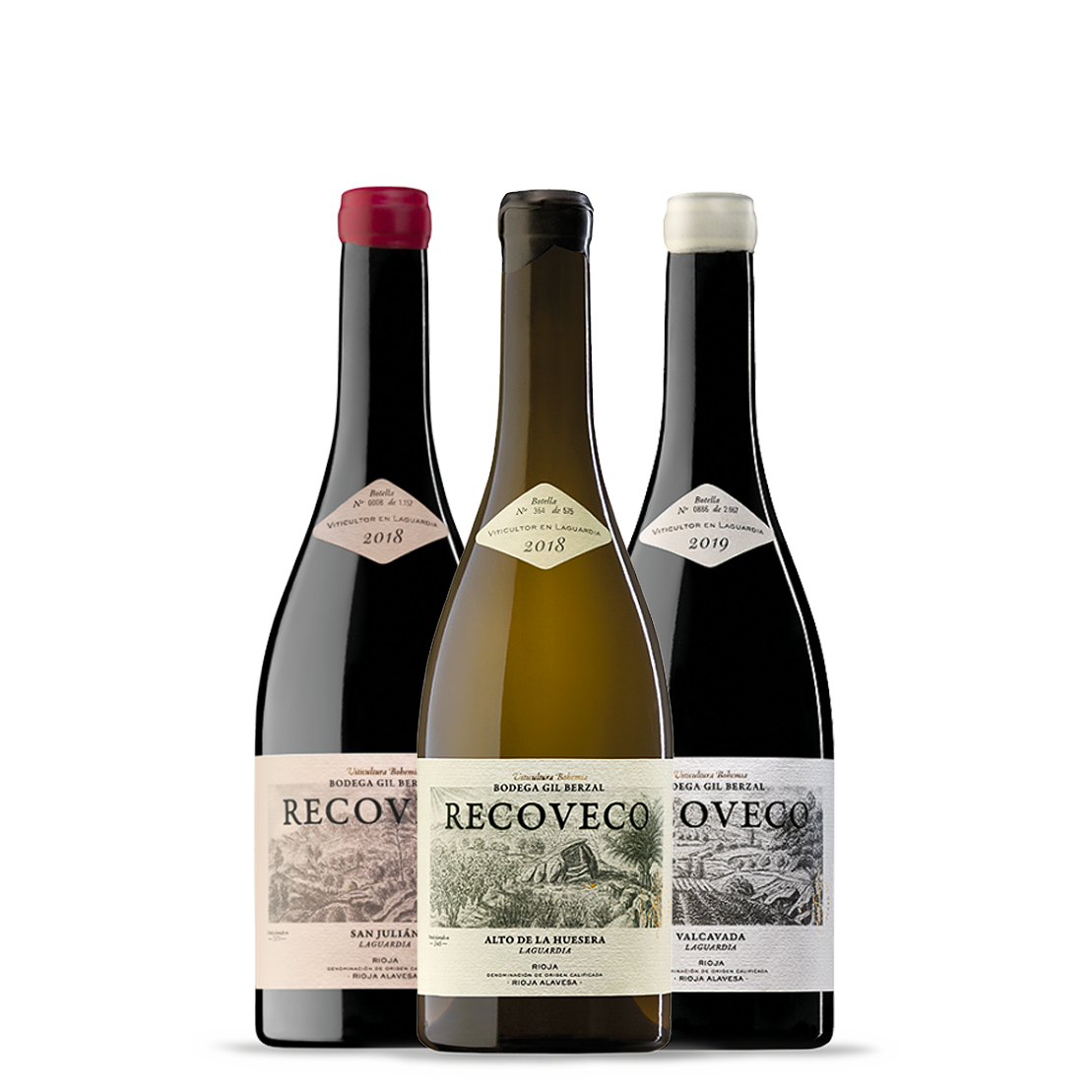
The foundation of the range consists of the Pequeñas Parcelas village wines, honest expressions of Laguardia that introduce the character of the estate through organically farmed vineyards and restrained winemaking. Above these sit the Recoveco wines, which the brothers describe as their "Premier Crus." Drawn from individual vineyards with distinct geological and climatic identities, they reveal the remarkable diversity that exists within a single village.
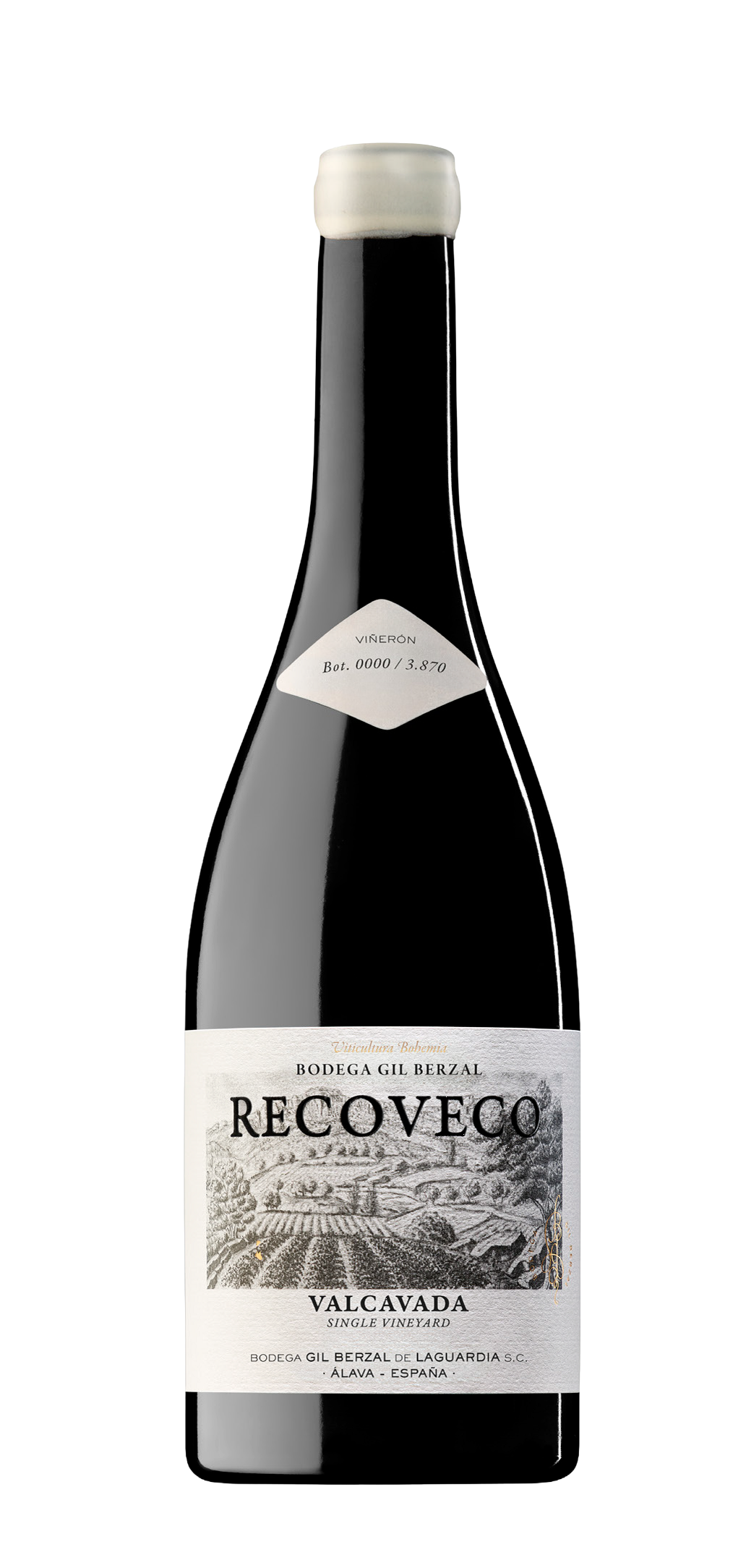
Recoveco Valcavada originates from a 1.56-hectare parcel planted between 1990 and 1995 immediately beside the family winery. Composed primarily of Tempranillo with Garnacha and others, it captures the freshness, purity, and limestone-driven precision that characterize the northern vineyards of Laguardia.
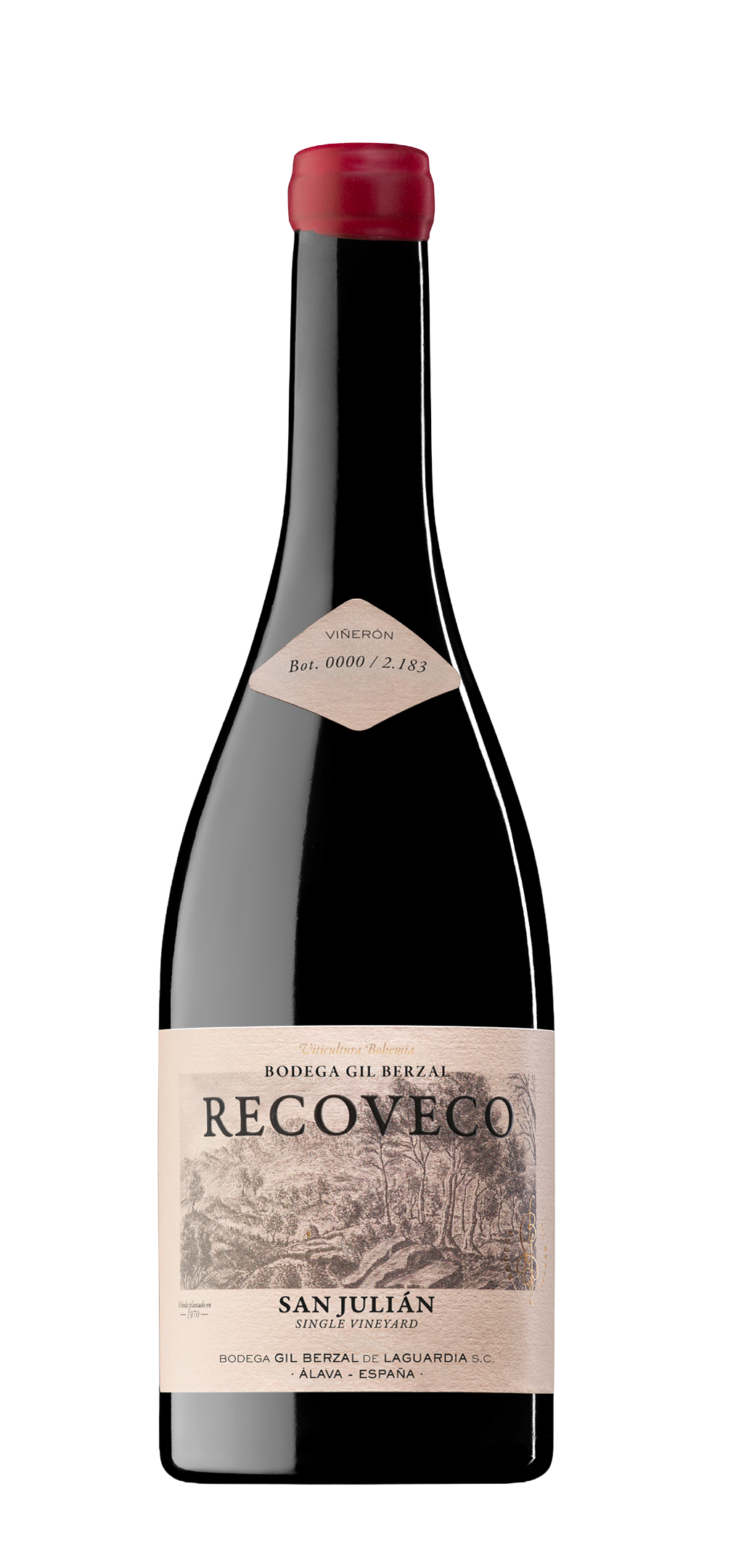
Recoveco San Julián comes from one of Laguardia's most historic vineyards. Planted in 1955 at approximately 650 meters elevation, the site rests upon calcareous clay over fractured limestone bedrock. Tempranillo forms the backbone of the wine alongside Graciano, Garnacha, and small percentages of traditional white varieties that have coexisted in the vineyard for generations, preserving the complexity of Rioja's historic mixed plantings.
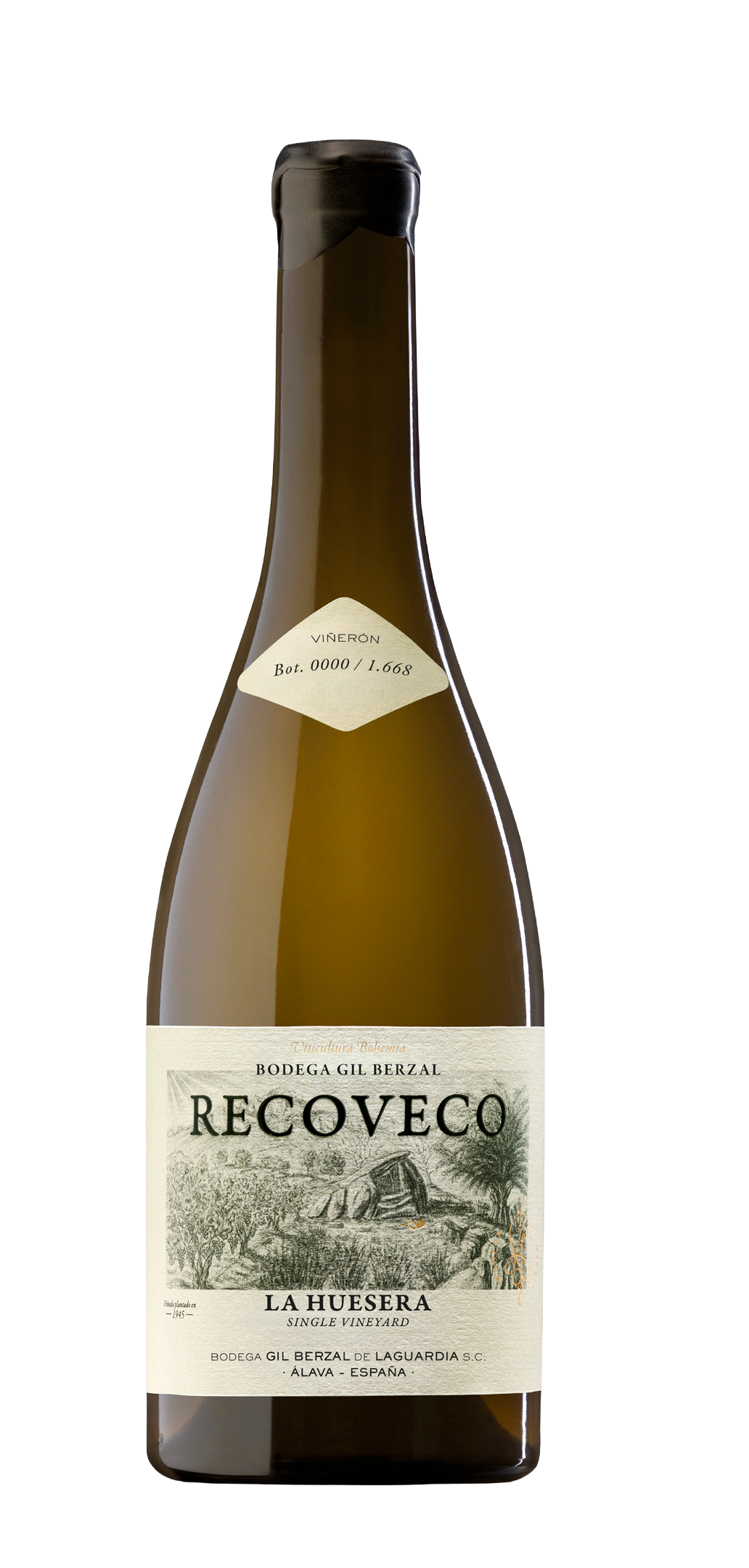
The estate's white cuvée Recoveco La Huesera originates from the San Julián vineyard near the prehistoric (3600 BCE) Dolmen del Alto de la Huesera from which it takes its name. Planted in 1945 to Viura and Malvasía, it demonstrates the remarkable potential of Rioja Alavesa's historic white vineyards, combining texture, freshness, and mineral precision with impressive aging potential.
Above these wines are the vineyards Saúl and Benjamín regard as the true jewels of the estate, sites they refer to as their "Grand Crus." These are vineyards whose personalities have revealed themselves over decades of careful observation and patient farming.
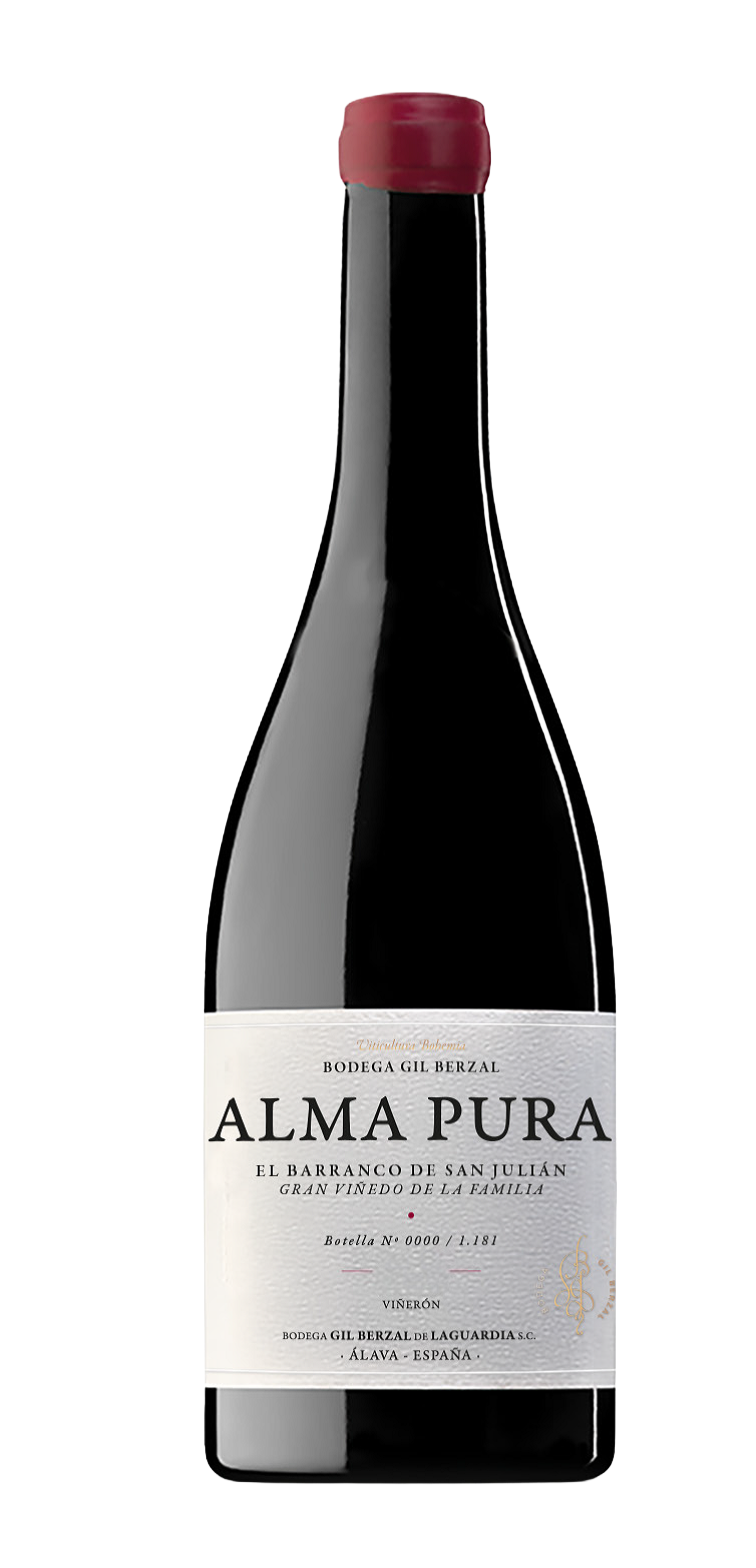
Alma Pura, sourced from the family's oldest parcel, El Barranco de San Julián, planted in 1930, is perhaps the purest expression of the estate's philosophy. Farmed biodynamically with profound respect for its surrounding ecosystem, it reflects both the quiet power of old vines and the remarkable depth that can emerge from thoughtful restraint.
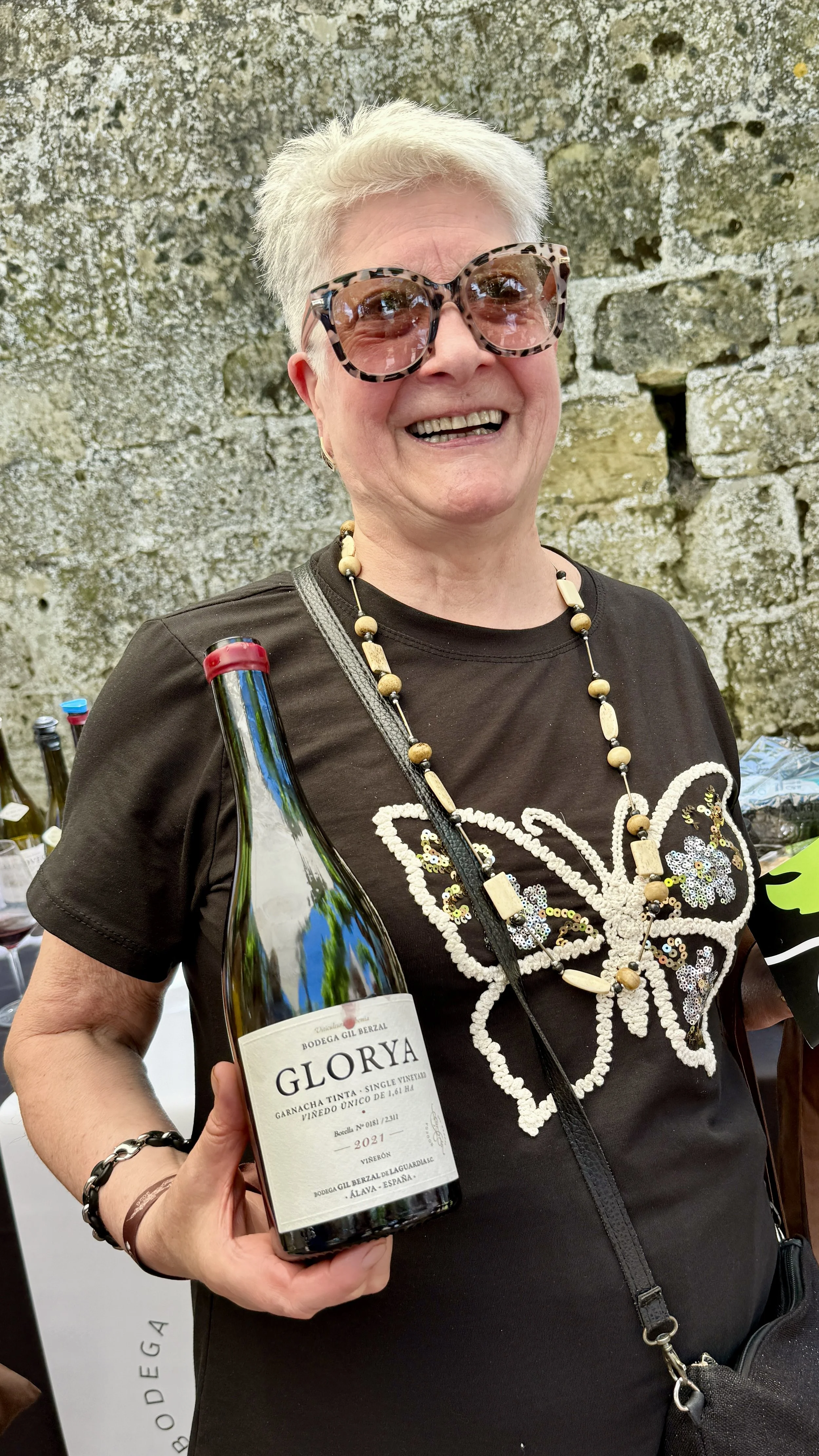
Glorya, a single-vineyard Garnacha from Valcavada, pays tribute to their mother, Gloria Berzal. Graceful, energetic, and transparent, it captures both the elegance of Garnacha grown in Rioja Alavesa and is the preferred wine of the family matriarch.
La Vejera, planted in 1920 in nearby Elciego, preserves one of the region's oldest surviving mixed plantings, where Tempranillo grows alongside numerous traditional varieties. More than a century after its establishment, the vineyard continues to offer an extraordinary glimpse into Rioja's historic viticultural heritage.
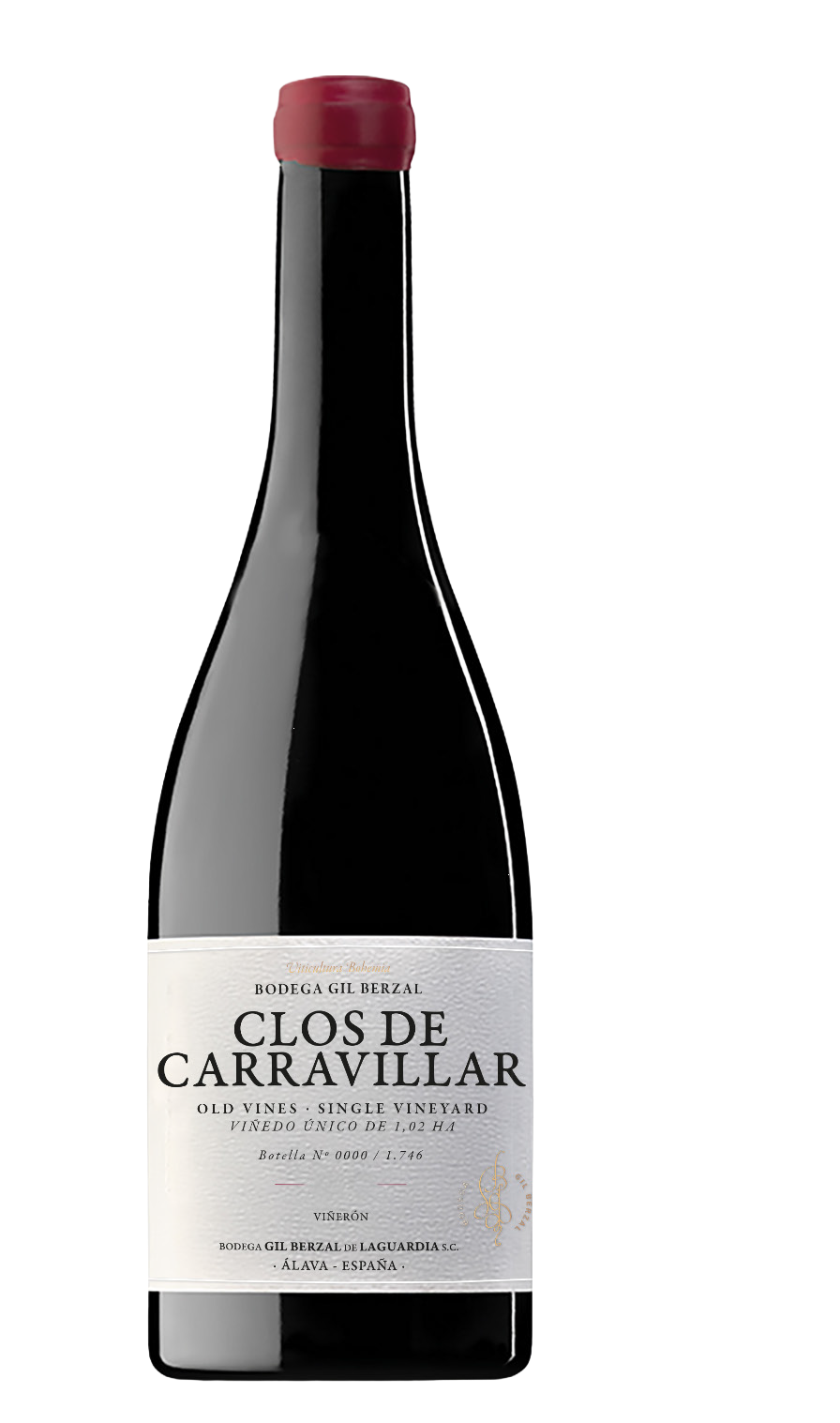
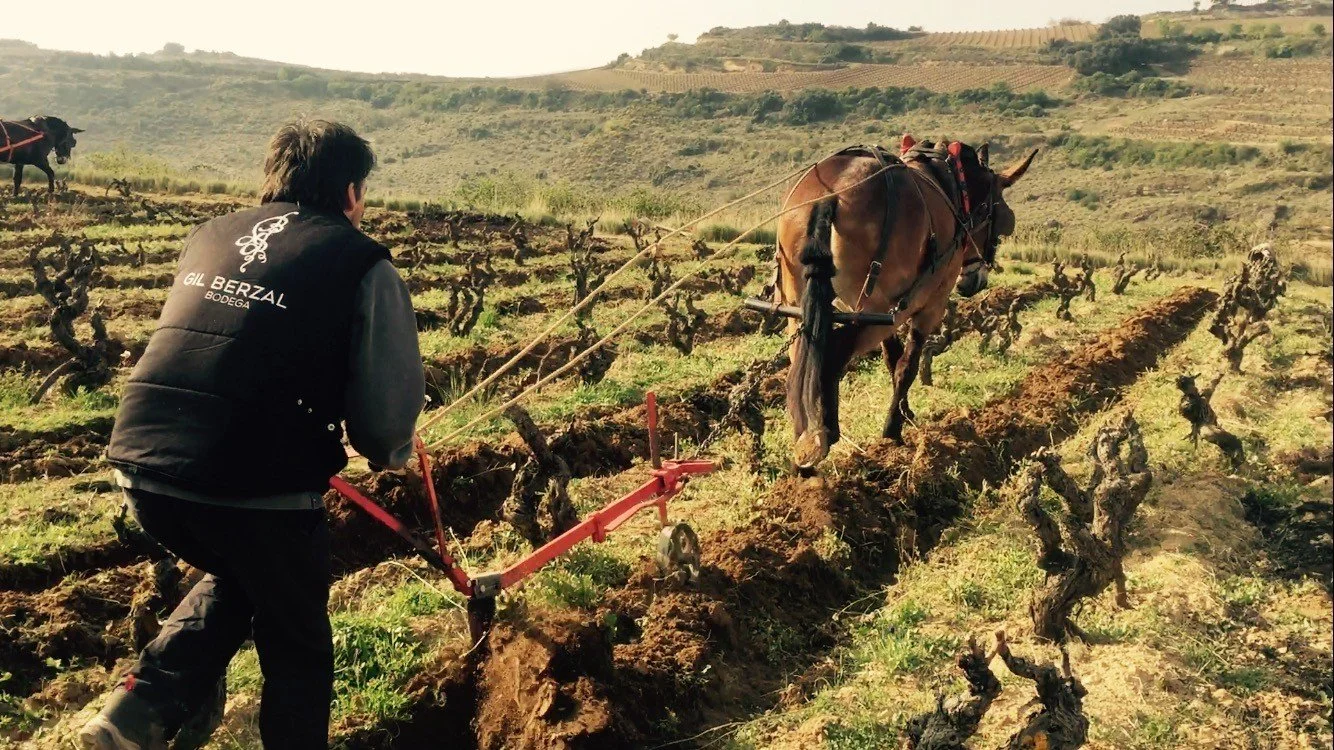
In 2022, the family introduced Clos de Carravillar, sourced from a 1ha east-facing slope of eighty-year-old bush-vines at 660m close to the mountain planted in 1936 with Tempranillo, Calagraño, Viura, Malvasia, Garnacha, and Graciano. The vineyard is worked by hand and horse, without tractors.
Across the entire range, certain threads remain constant. Hand-harvesting, native yeast fermentations, concrete vessels, restrained use of neutral French oak, gentle extraction through free-run juice, and minimal intervention all serve a single purpose: preserving the individuality of each vineyard.
A Different Path
The evolution of Gil Berzal has been guided by a simple objective: to remove all unnecessary barriers between the vineyard and bottle.
As the family's understanding of their vineyards deepened, they gradually recognized that the existing framework used to classify Rioja wines no longer reflected the values of their work. Their focus shifted toward village and individual parcel identity, while much of the establishment conversation surrounding Rioja continued to revolve around élevage, aging categories, and blending.
Finally, in December 2024, Saúl made the decision to withdraw the winery from the DOCa Rioja.
The decision was not a rejection of Rioja's extraordinary history, but rather an affirmation of the family's own philosophy. They sought complete freedom to classify and present their wines according to the identity of their vineyards rather than within a framework they felt no longer reflected their priorities.
The decision was the natural continuation of a journey that had begun years earlier upon Saúl's return from Burgundy. Since then, each step has moved steadily toward greater transparency, greater respect for place, and greater independence in expressing the remarkable vineyards of Laguardia.
"Our wines represent the terroir of Laguardia and the magic found within it. Nature sets the rhythm, and we happily follow, adapting our work to each vintage while preserving the traditions that connect these vineyards, their people, and their culture. In pursuing excellence, we strive to make wines that speak for themselves." — Saúl Gil Berzal
Our Connection
The story of Gil Berzal is an important part of the origin story of Pyrenees Wine Merchants.
I first met Saúl Gil Berzal in early 2025, just after his decision to leave the Rioja appellation, at a small independent wine fair devoted almost exclusively to growers practicing organic, biodynamic, and regenerative viticulture. Among producers from across Spain, Saúl stood out as one of the very few voices representing Rioja. Having spent much of my professional life working with the wines of Rioja, I instantly realized I was tasting something special. Saúl’s wines had everything I had hoped to find in the region: elegance, transparency, precision, and extraordinary craftsmanship.
Meeting Saúl left an equally lasting impression. Measured, thoughtful, and deeply articulate, he spoke about his vineyards with a level of care and humility that immediately resonated with me. Our conversations quickly moved beyond wine to history, music, art, and the importance of remaining true to one's convictions. I left convinced that I had encountered not only one of Spain's most compelling winegrowers, but someone whose philosophy reflected the future of the Spanish wines I hoped to represent.
Over the following months, as I considered the next chapter of my own career and began imagining what Pyrenees Wine Merchants might become, I returned to Gil Berzal in Laguardia, walked the limestone slopes beneath the Sierra de Cantabria, and tasted the wines again and again. Each visit reinforced the same realization: these were the wines that would form the backbone of of our portfolio.
Not only was Gil Berzal the first producer to join the Pyrenees Wine Merchants portfolio, but more importantly, they helped define the kind of company we hoped to build. Their intuitive farming, unwavering commitment to place, artistic expression, and quiet conviction continue to influence how we think about wine and the growers we choose to represent.
For that inspiration, and for the trust they placed in us from the very beginning, we remain deeply grateful.
The Wines of GIL BERZAL