Elena Corzana
Navarrete • Rioja Alta • La Rioja
Location:  La Rioja, Spain
Village: Navarrete
Appellation: Rioja Alta
Climate: Temperate-to-continental Mediterranean climate
Elevation: 550m
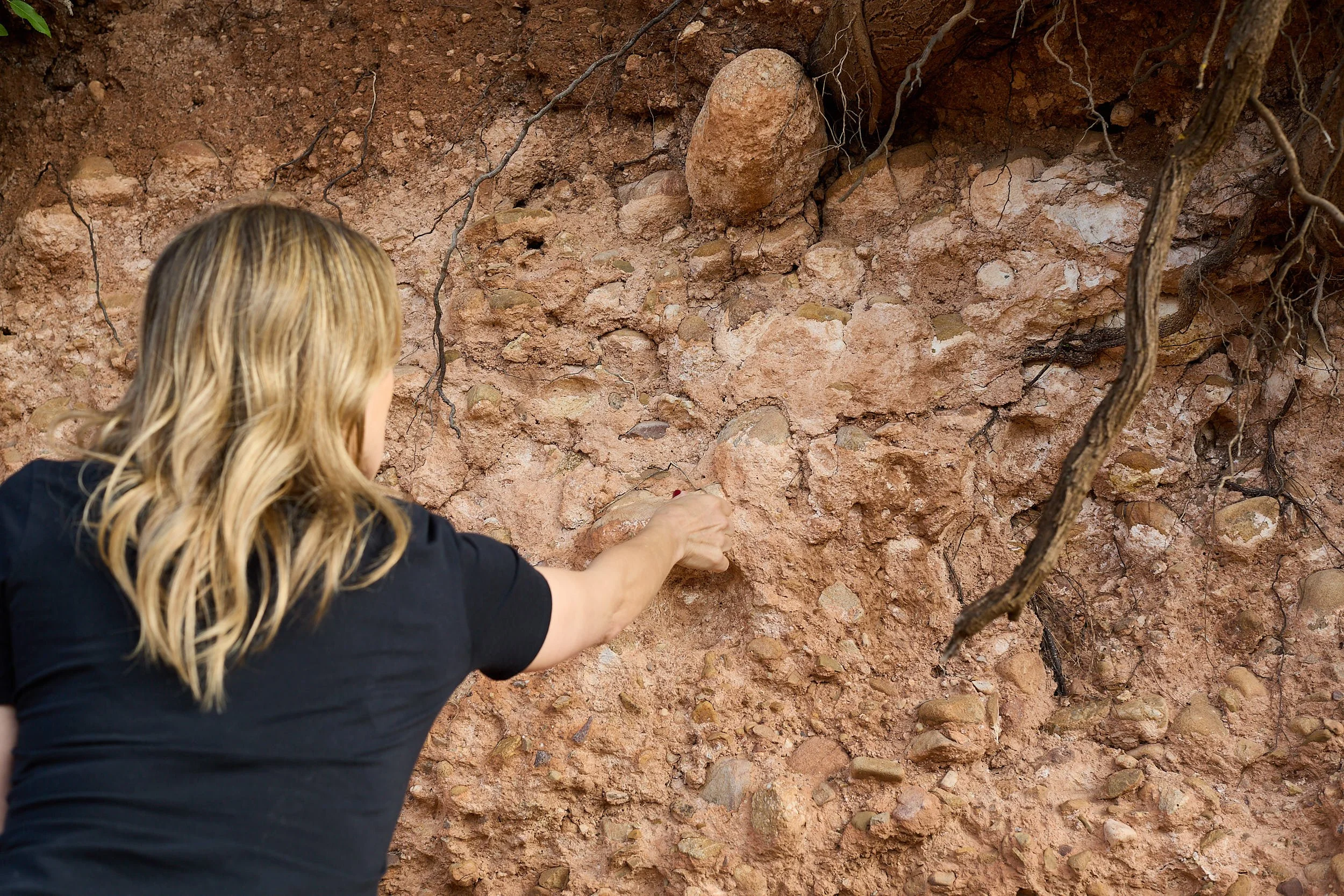
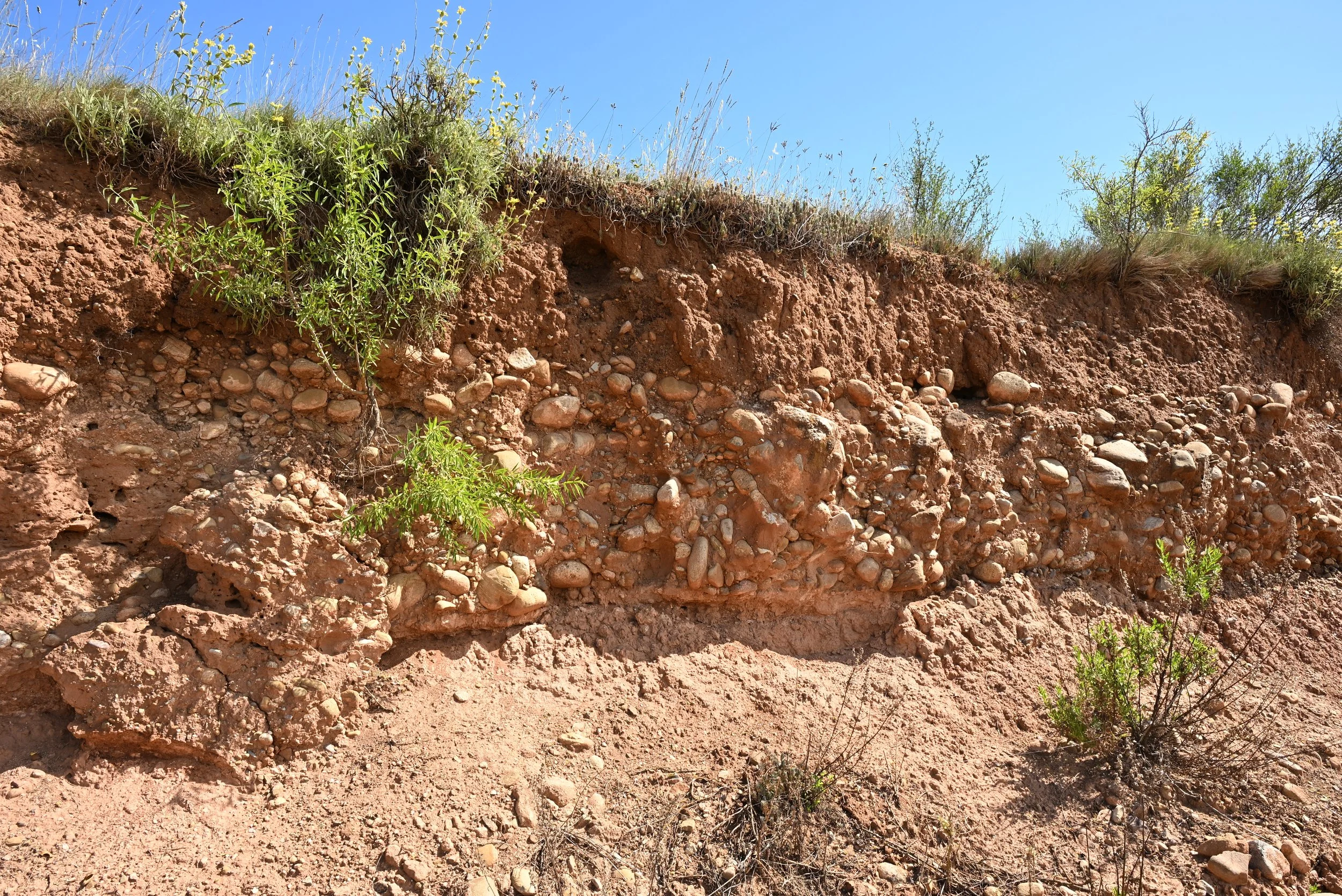
Soils: Red ferrous clay soils over ancient alluvial subsoil with limestone
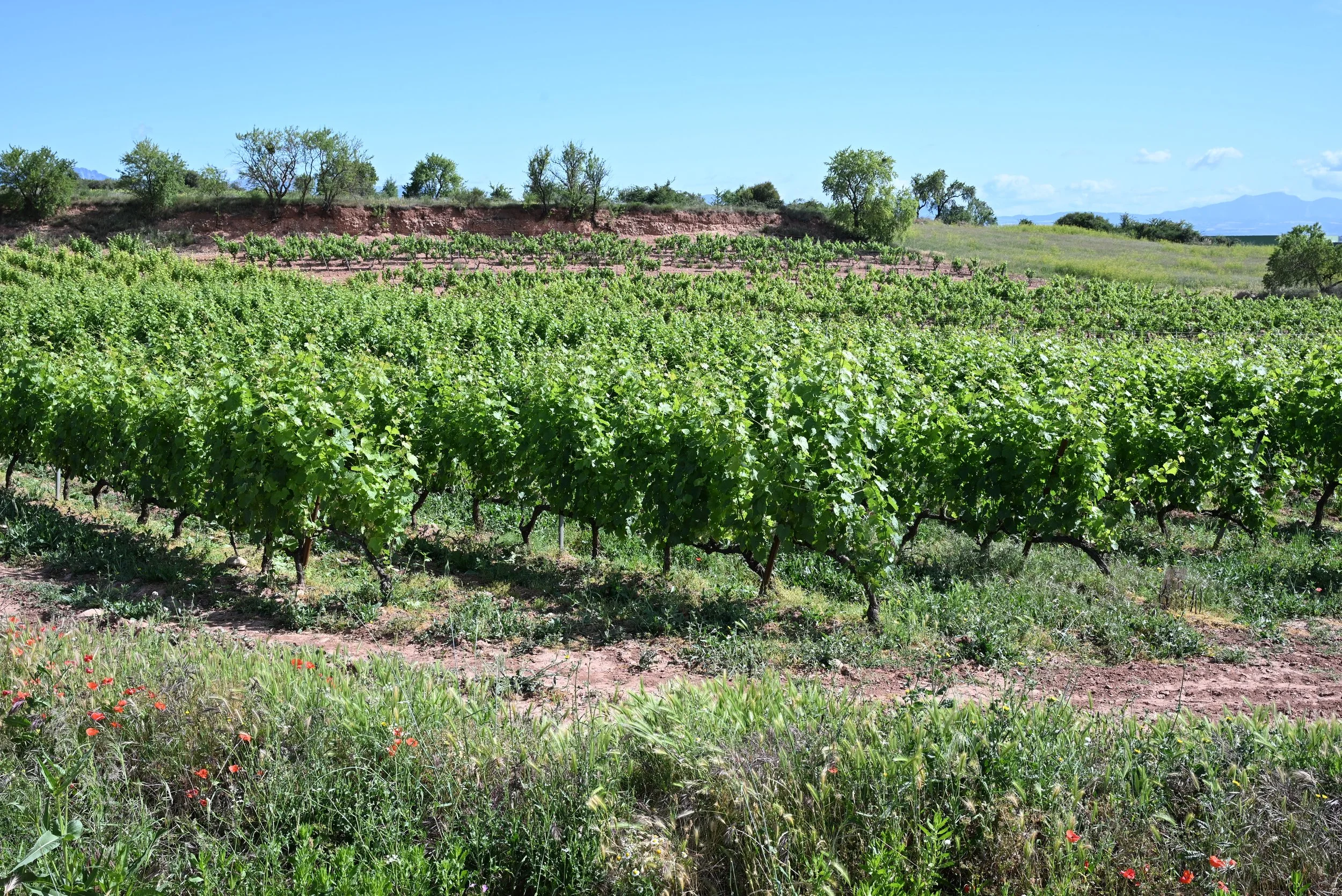
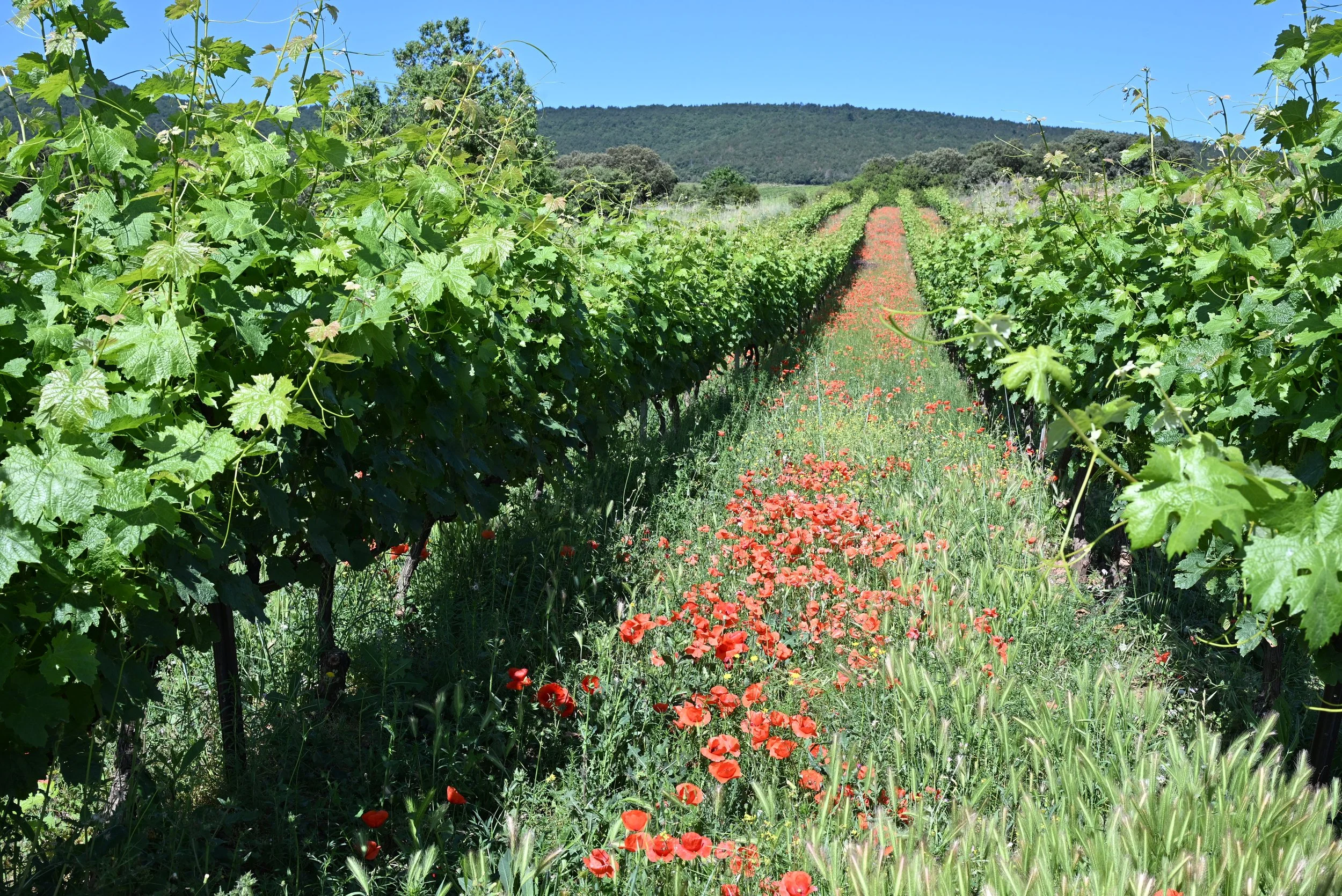
Vineyards: 1ha
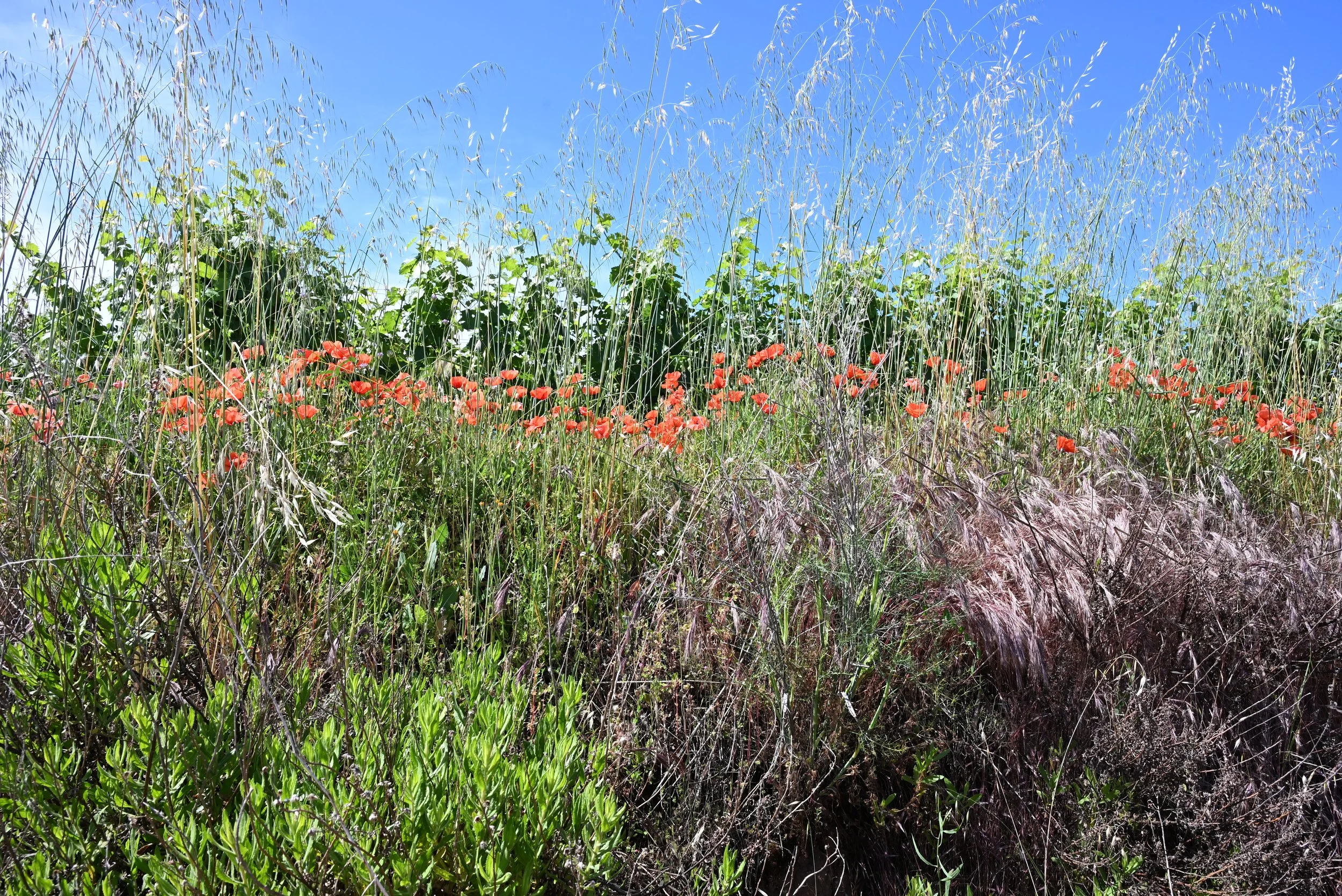
Farming: Certified Organic, Regenerative
Varieties: Maturana Blanca, Maturana Tinta de Navarrete, Graciano
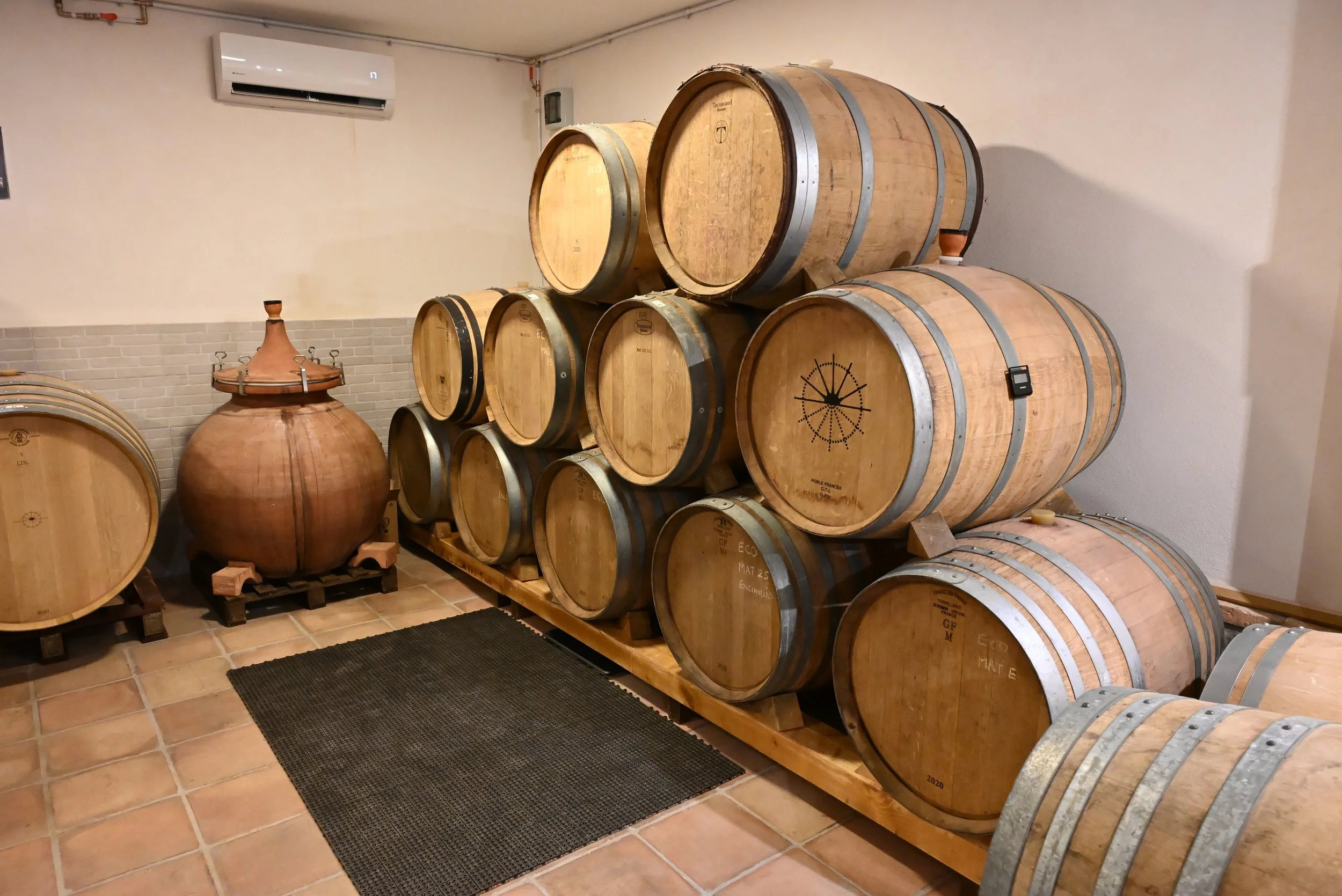
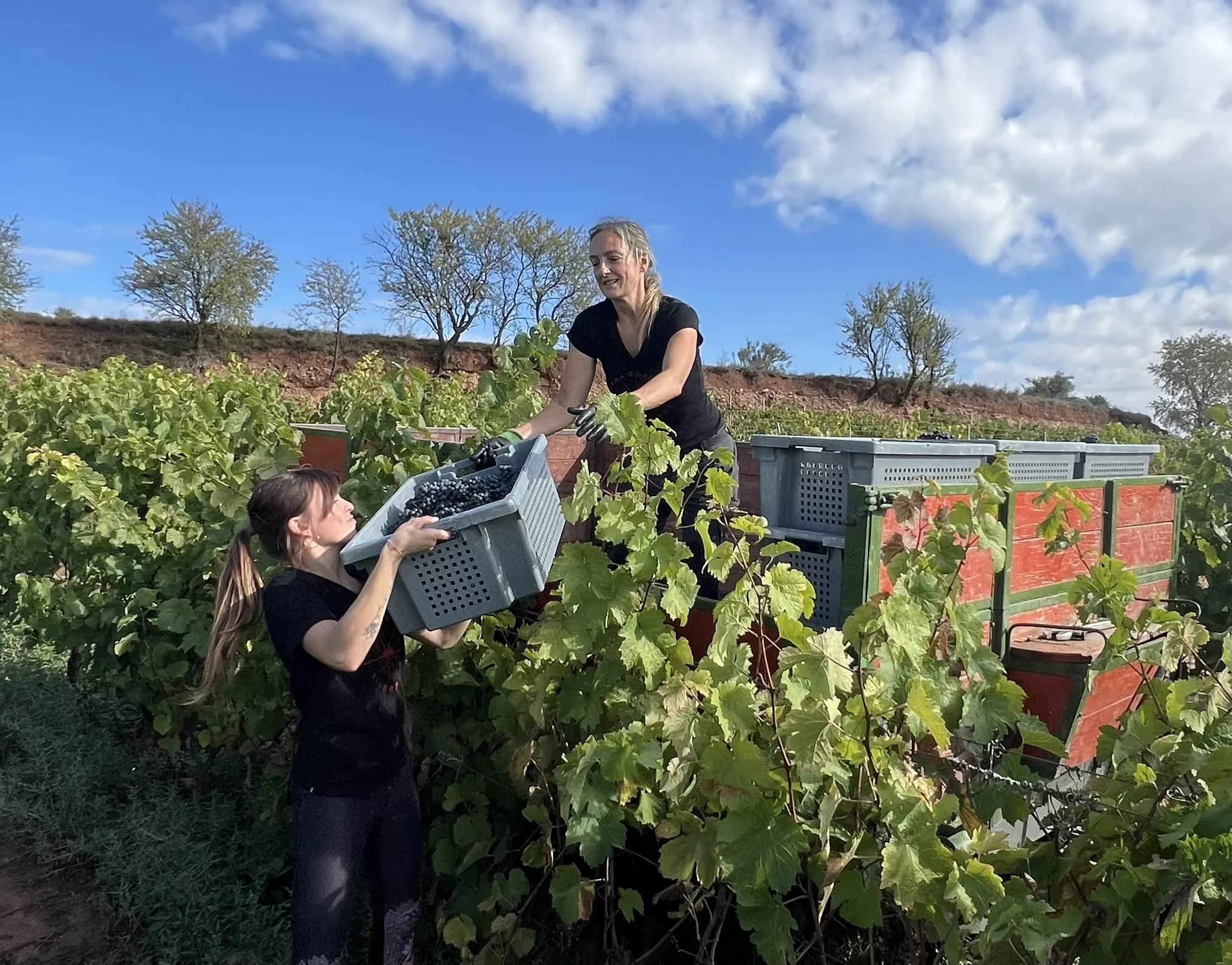
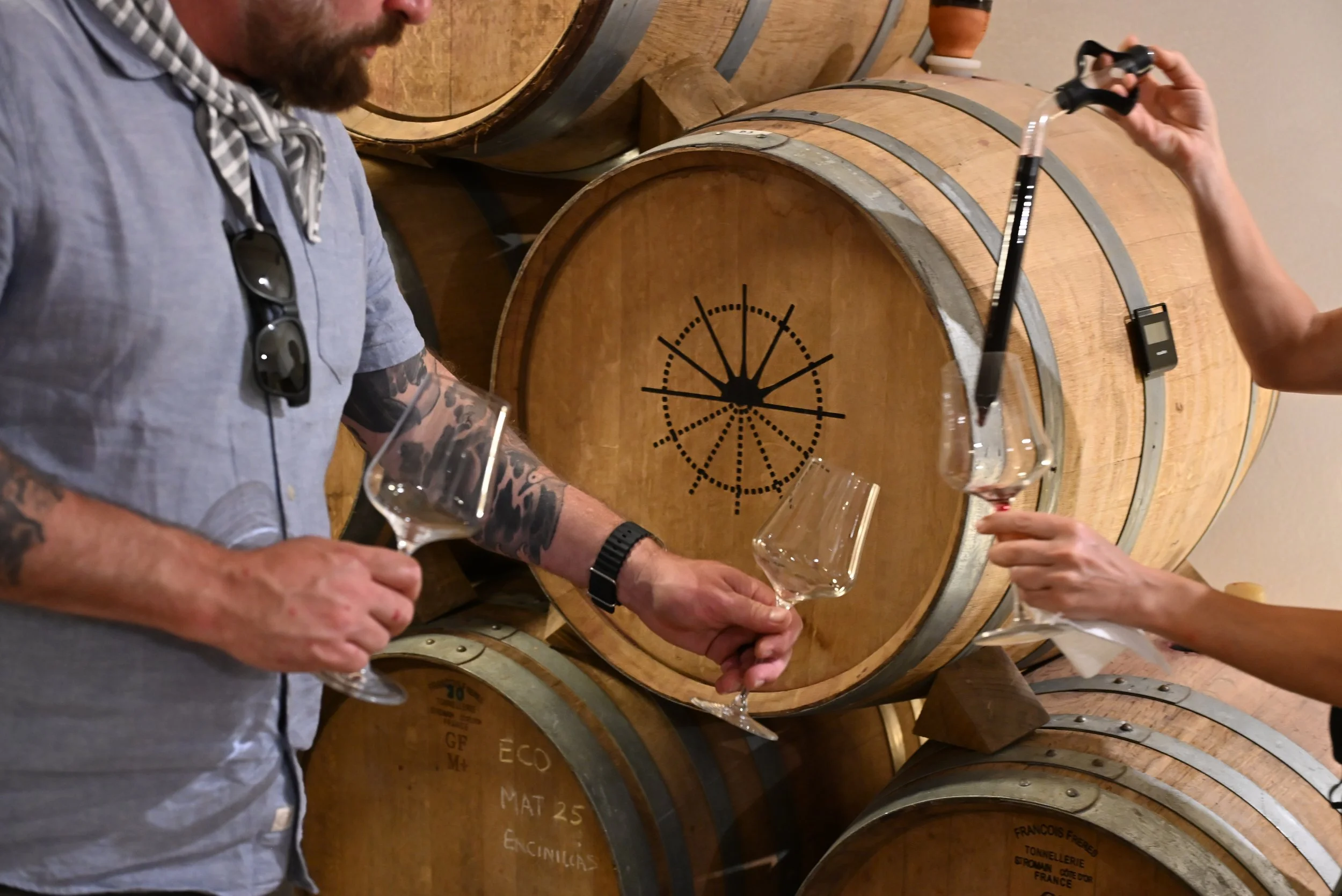
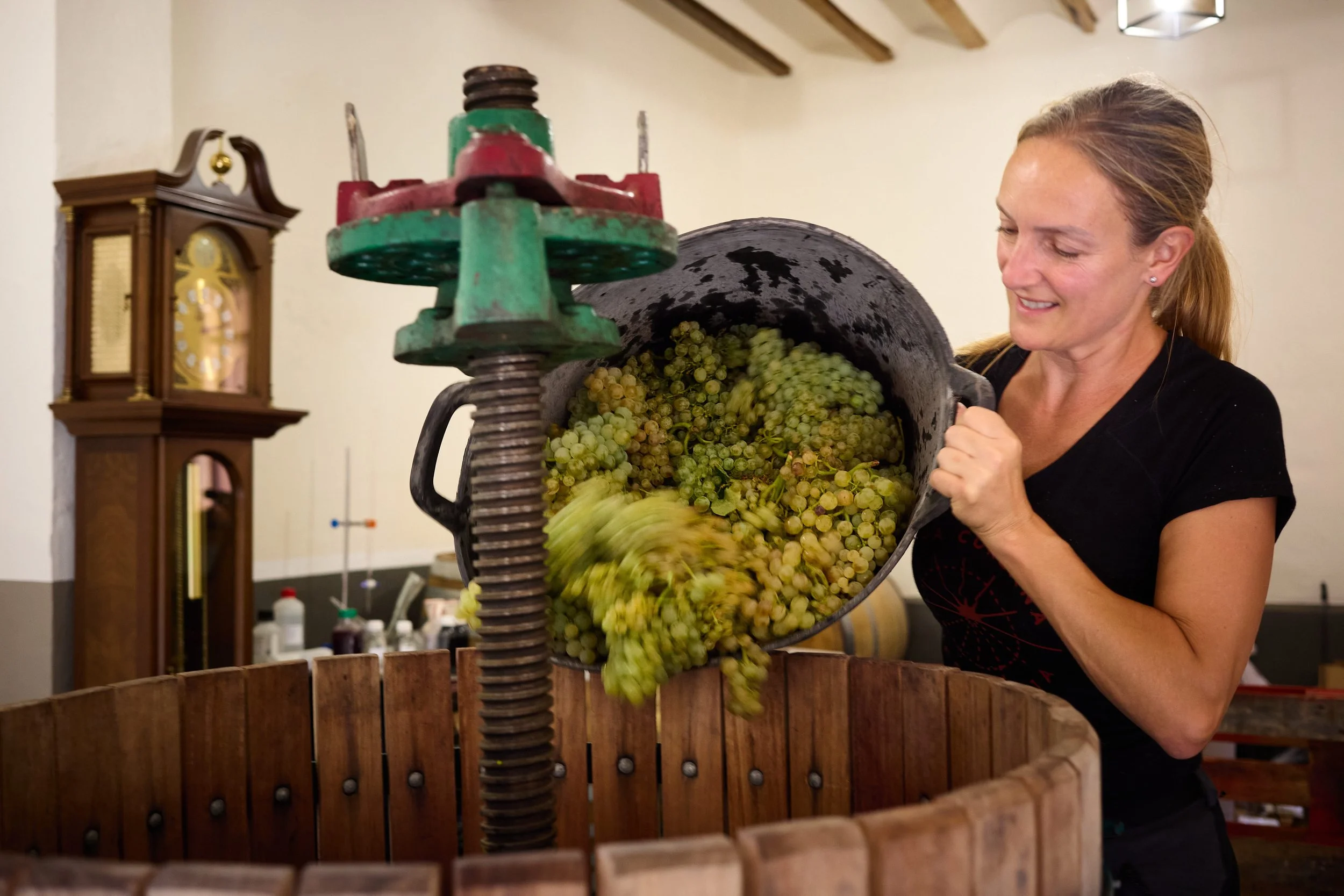
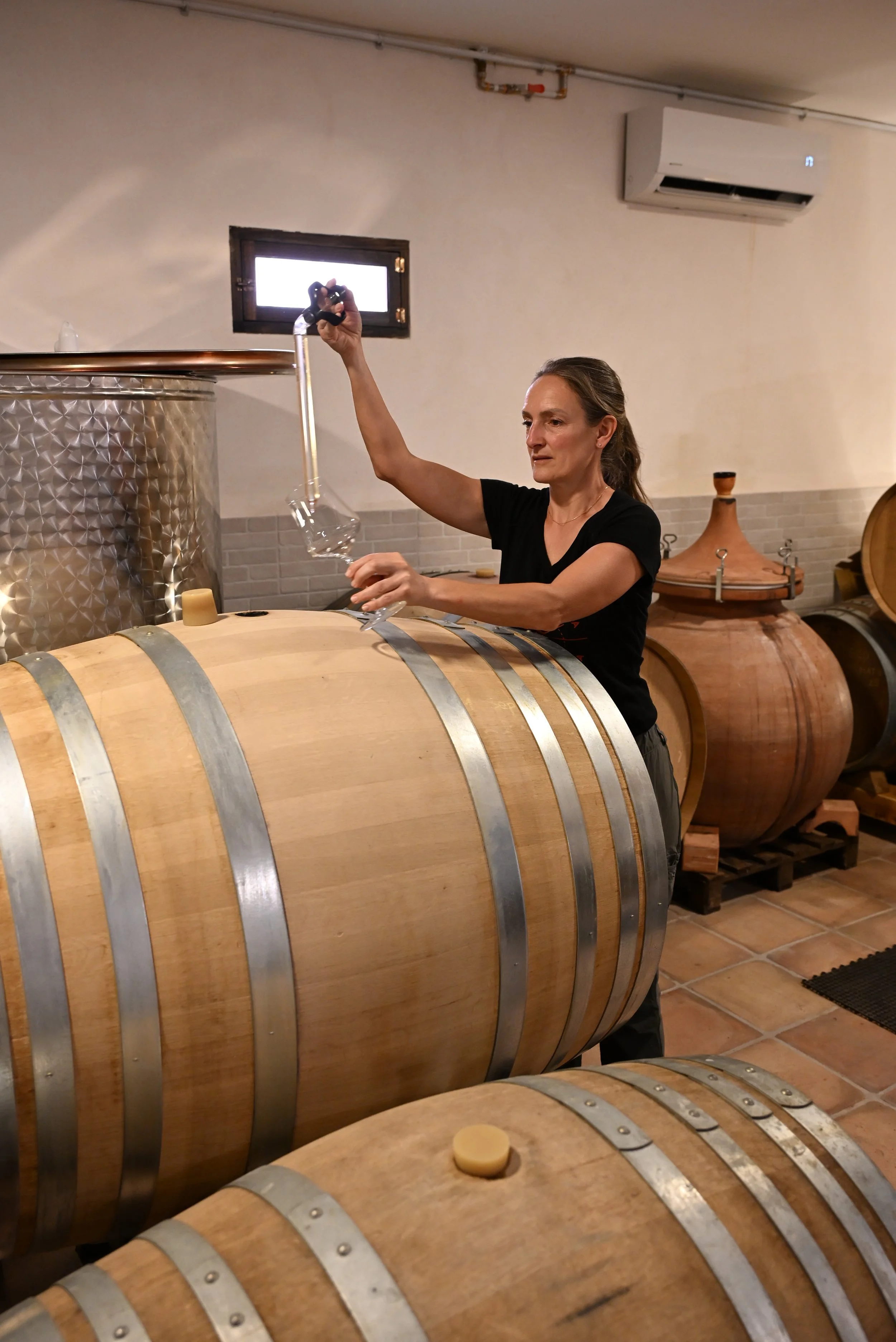
Cellar: Micro-cellar. Hand harvesting, native yeasts, spontaneous fermentations in large French barrels and Navarrete clay amphorae
Proprietor: Elena Corzana Pascual
Viticulture: Elena Corzana Pascual
Winemaker: Elena Corzana PascualRioja has never been a single landscape or a single way of making wine. Across its villages, valleys, and mountain ranges exists an extraordinary diversity of soils, elevations, exposures, grape varieties, and local cultural traditions that can be easily obscured beneath the larger identity of the famous Rioja appellation. Some of the most compelling work in Rioja today comes from growers returning their attention to these distinctions, recovering old vineyards and nearly forgotten varieties, while bringing fresh perspectives to elevate the dialogue around the unique landscapes they inherited.
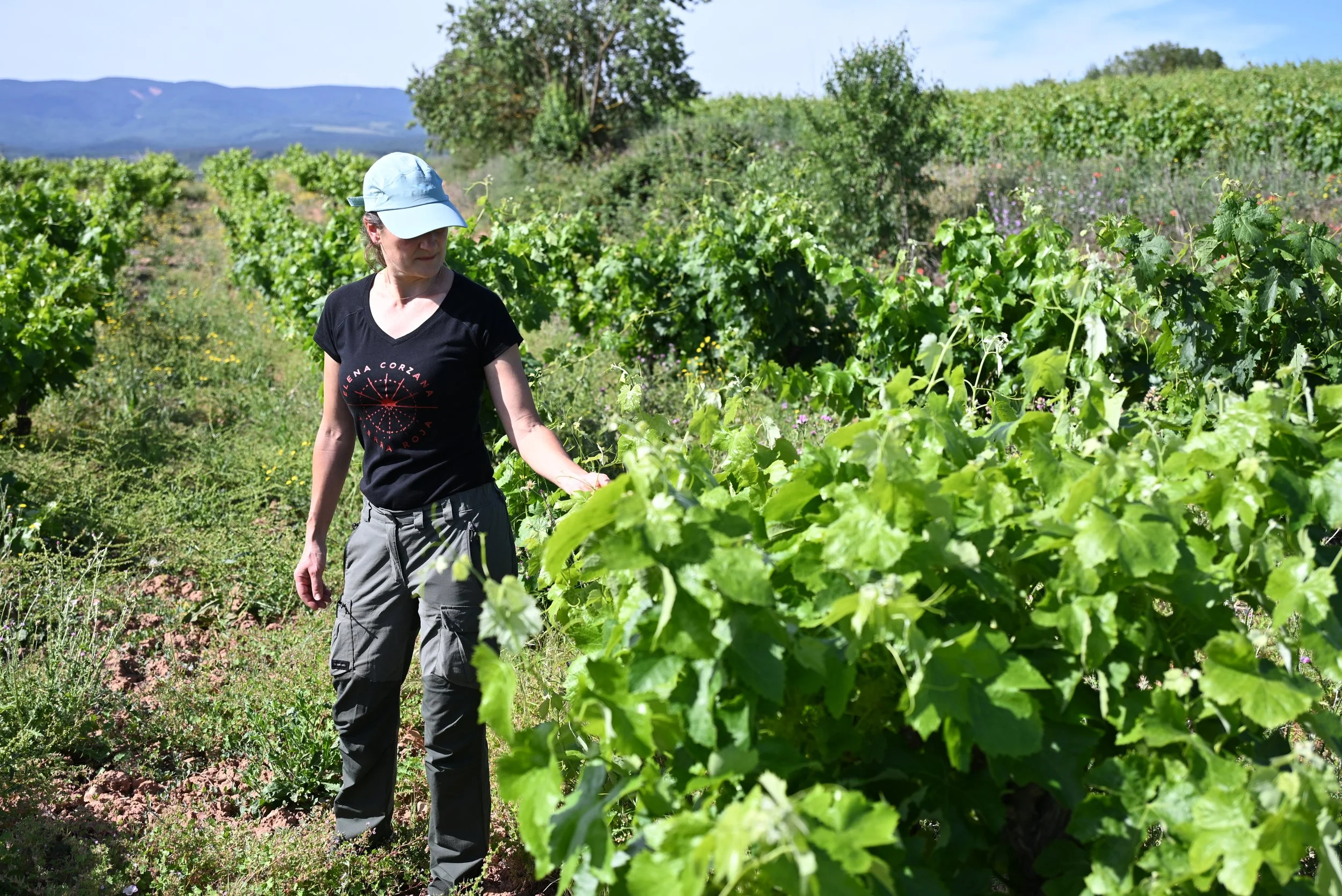
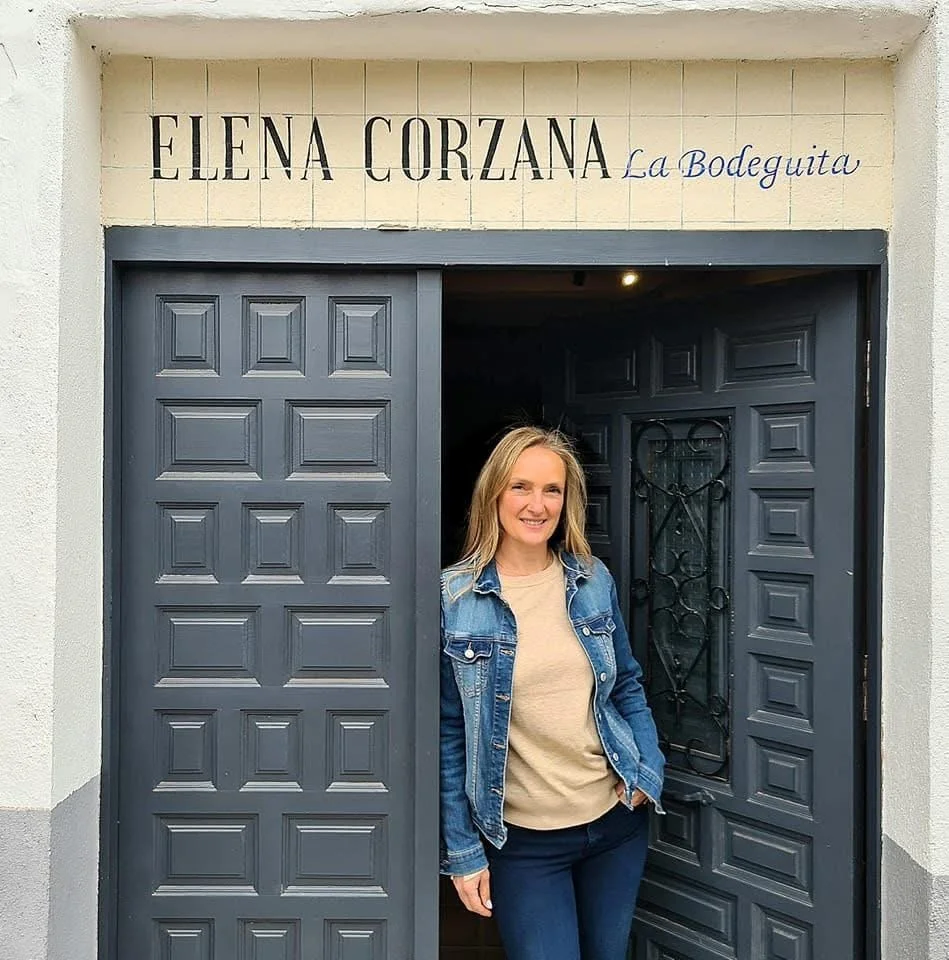
In Navarrete, due west of Logroño in Rioja Alta, Elena Corzana is part of this generation of viticultors who travelled the world and returned with an urgency to create something that feels authentic and distinct from her village. An agricultural engineer, viticultor, and sommelier, Elena has built an intensely personal project around her home village, her family vineyards, and two historic varieties closely connected to this corner of Rioja: Maturana Blanca and Maturana Tinta de Navarrete. With annual production of no more than 8,000 bottles, hers is a winery defined as much by its human scale as by the specificity of the wines themselves. Elena’s wines are the essence of what we look for in hand-crafted wines: intensely personal, rooted in expression of place, skillfully crafted in tiny quantities and outstandingly delicious and luxurious.
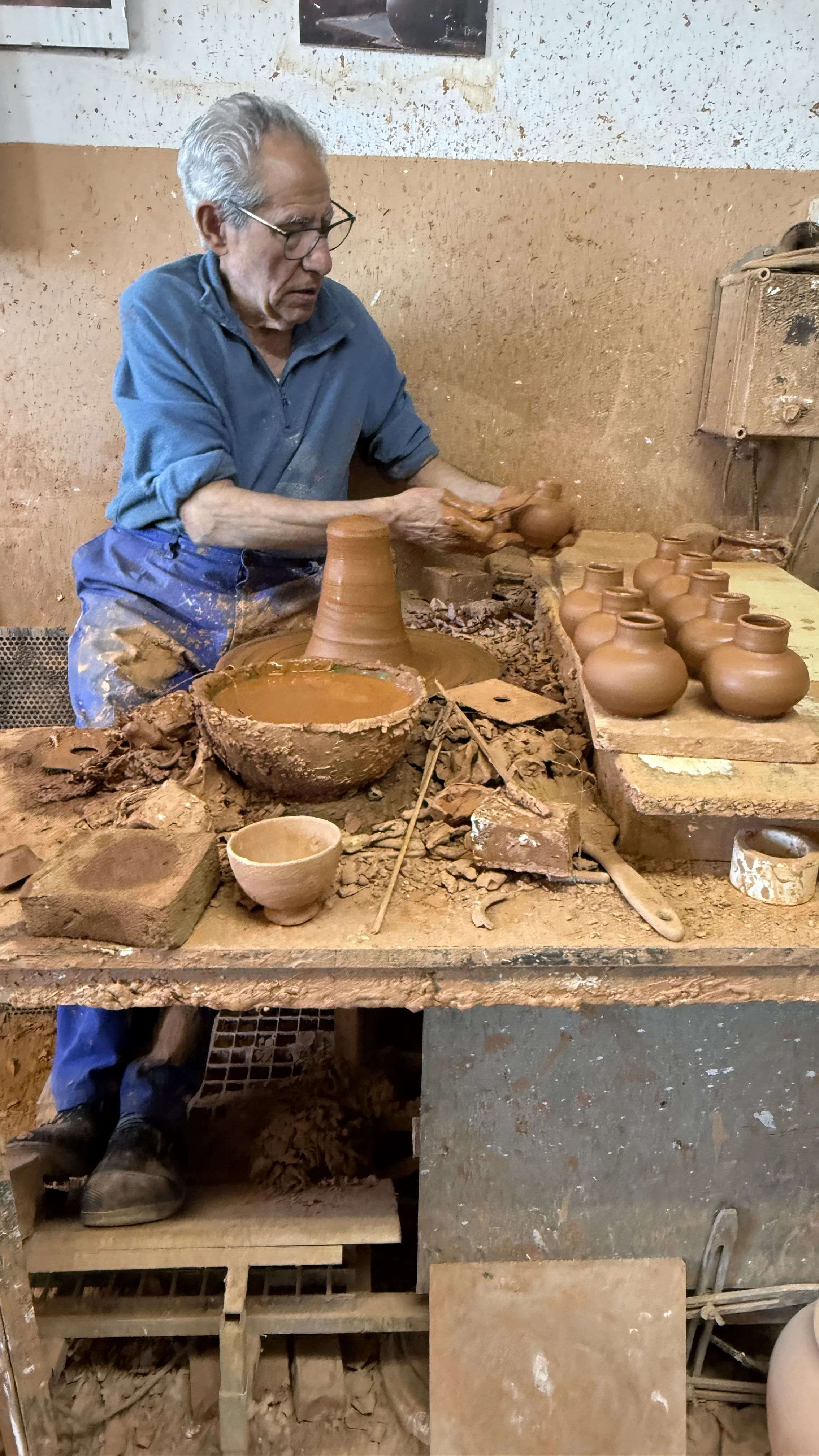
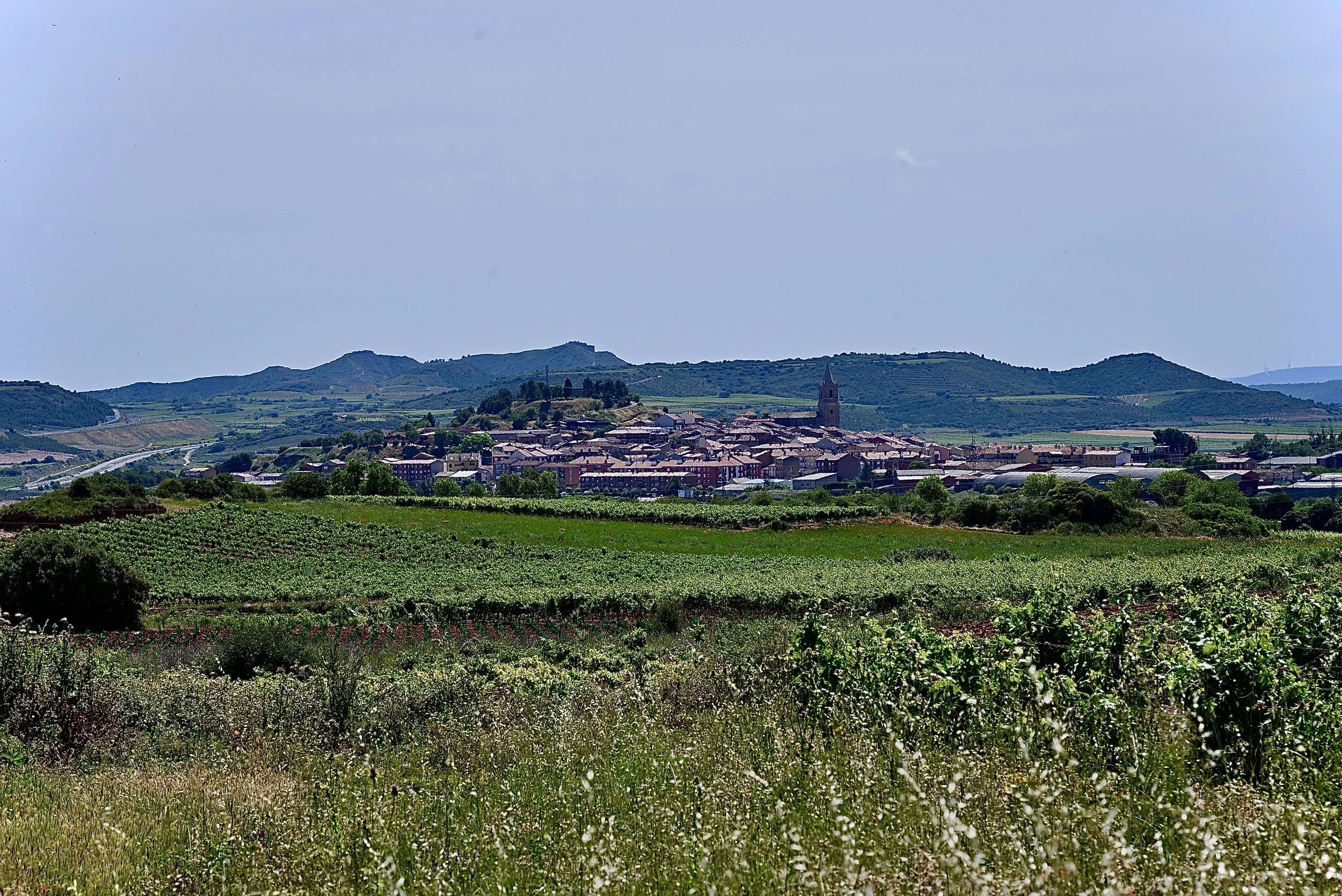
Navarrete sits within a landscape shaped as much by geology and by centuries of human agricultural activity, its position as an important crossroad for generations of people crossing the region. The village sits on a strategic hilltop directly along the French Way of the Camino de Santiago, the great medieval pilgrimage route to Santiago de Compostela. It is also renowned throughout Rioja for its traditional pottery, a craft made possible by the region’s iron-rich red clay soils. Navarrete is the last surviving pottery center in La Rioja and one of the most important in northern Spain due to its historical significance to the wine industry. Since the 16th century, Navarrete pottery was used not only to age and store wine and as shipping vessels, but more importantly, it was widely used as the official device for measuring wine in commercial transactions throughout Rioja.
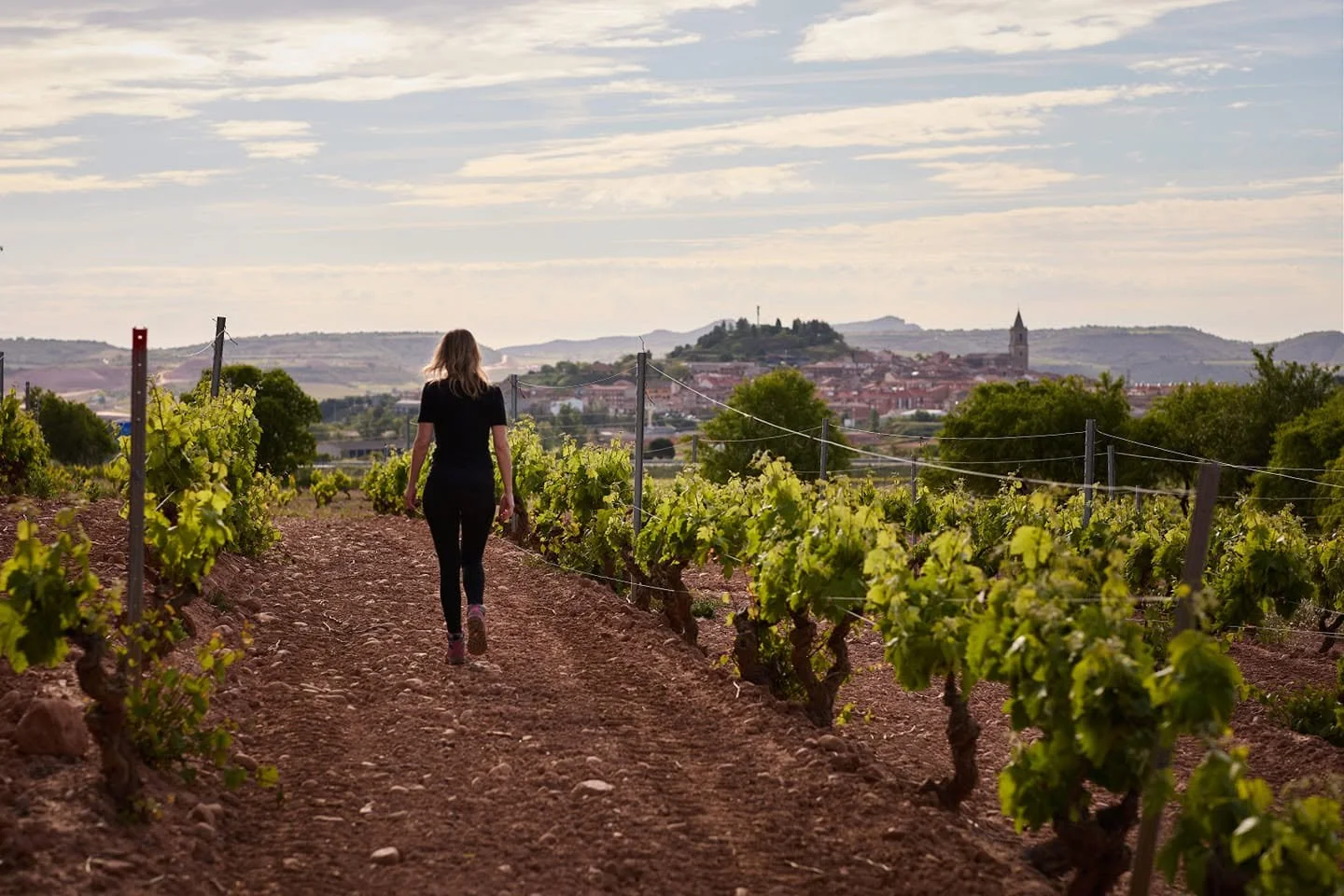
West of the village lies the Dehesa de Navarrete, a mountainous and forested natural area of approximately 400 hectares at the foothills of the Sierra de Moncalvillo, within the greater Ebro River depression. The landscape occupies a geological ramp gradually descending from the Sierra del Serradero toward the Ebro basin. Sandstone and conglomerate underpin eutrophic brown soils rich in calcium, magnesium, potassium, silica, and organic matter. In the higher, exposed reaches of the Dehesa, altitude, forest influence, and ventilation help define a distinctive viticultural environment. It is here, among the same red earth historically worked by Navarrete's potters, that Elena farms the vineyards at the heart of her project.
Origin
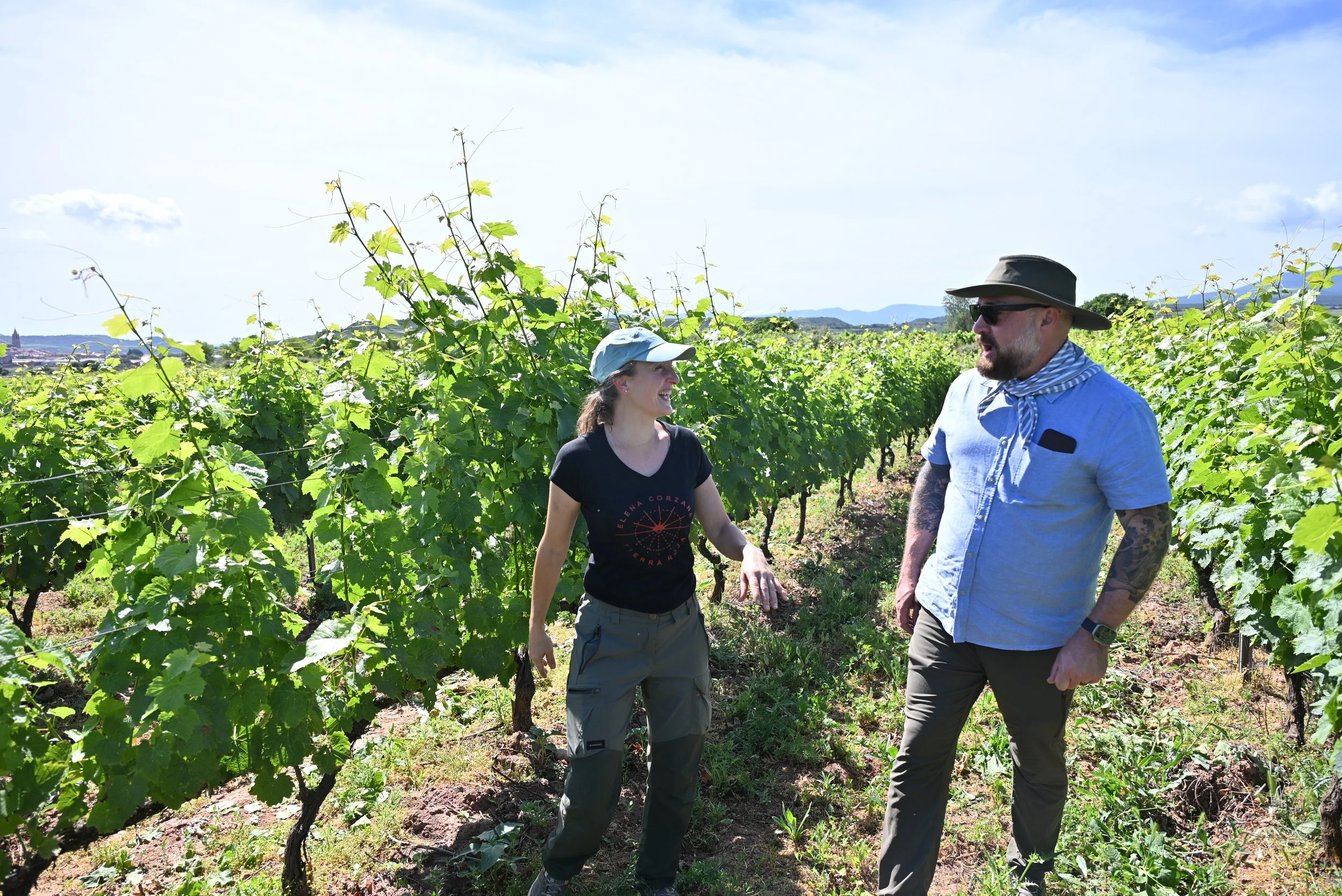
Elena was born in Navarrete into a family with deep roots in viticulture. She grew up among the family vineyards, learning from her grandfather Agapito and absorbing practical knowledge that is not taught in enology school. The vineyards she works today came to her through her mother, making her project as much a continuation of a family heritage as the creation of a new winery.
She studied viticulture at the University of La Rioja before continuing her education in agricultural engineering in Montpellier. She then spent four years working with Fernando Remírez de Ganuza in Samaniego in Rioja Alavesa before her work took her much farther afield: to Hawke's Bay, New Zealand; Constantia in South Africa's Western Cape; and Victoria, Australia. These years exposed her to many different landscapes, farming traditions, cellar philosophies, and ways of thinking about wine.
That experience ultimately sharpened her connection to her home region of Rioja. Like many of the most interesting growers working in Spain today, Elena returned with a broader frame of reference and a greater appreciation for the viticultural inheritance waiting at home.
As she describes it:
“With my small artisan winery, I’m passionate about keeping traditions alive—treating the vineyard like a garden and nurturing the land that has shaped me with care and love. After traveling the world and working in various vineyards, I’ve finally come home to Navarrete, where I can truly express myself, staying true to what’s authentic and genuine. My wines tell the story of my journey, and they’re a tribute to the roots I’ve always held close.”
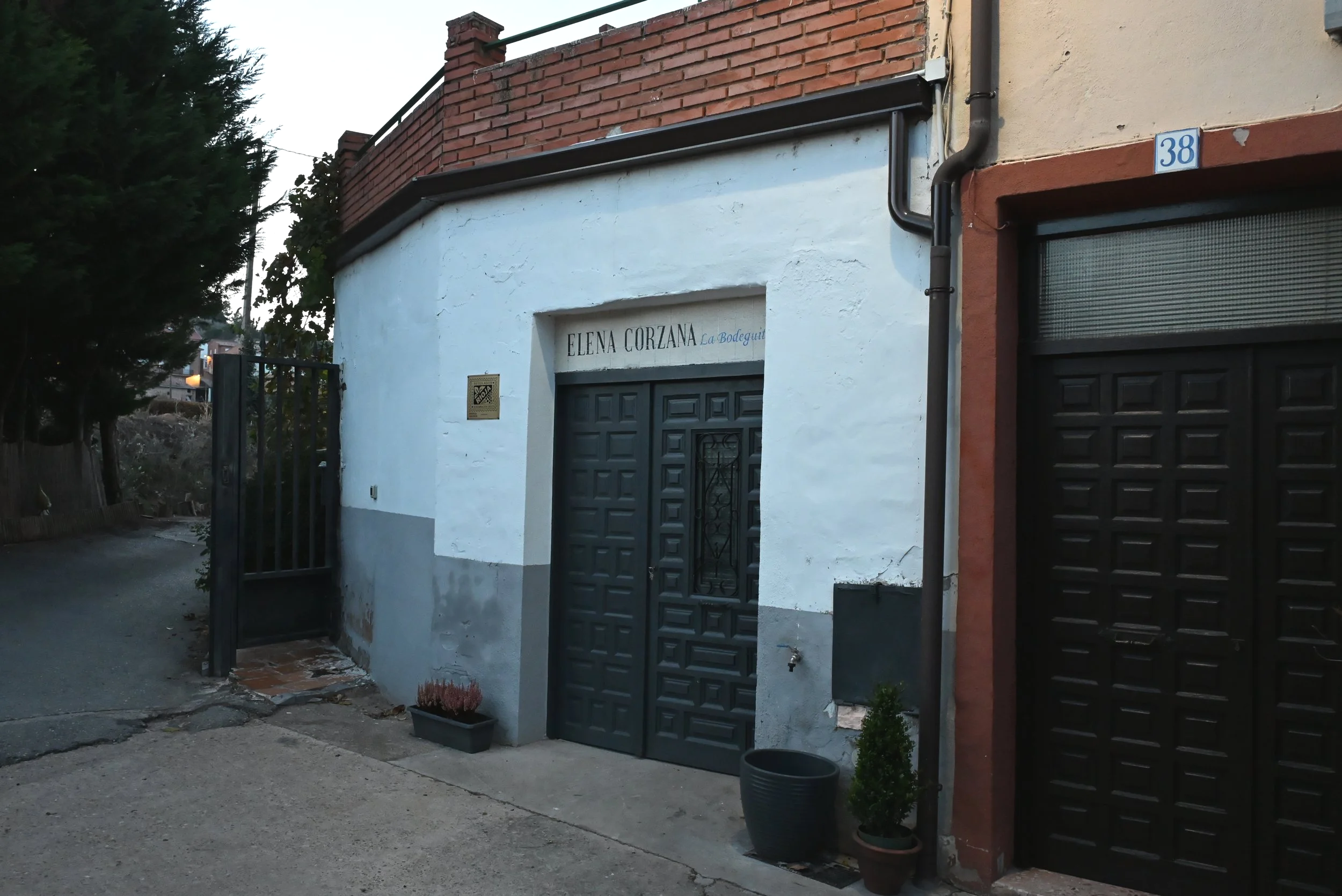
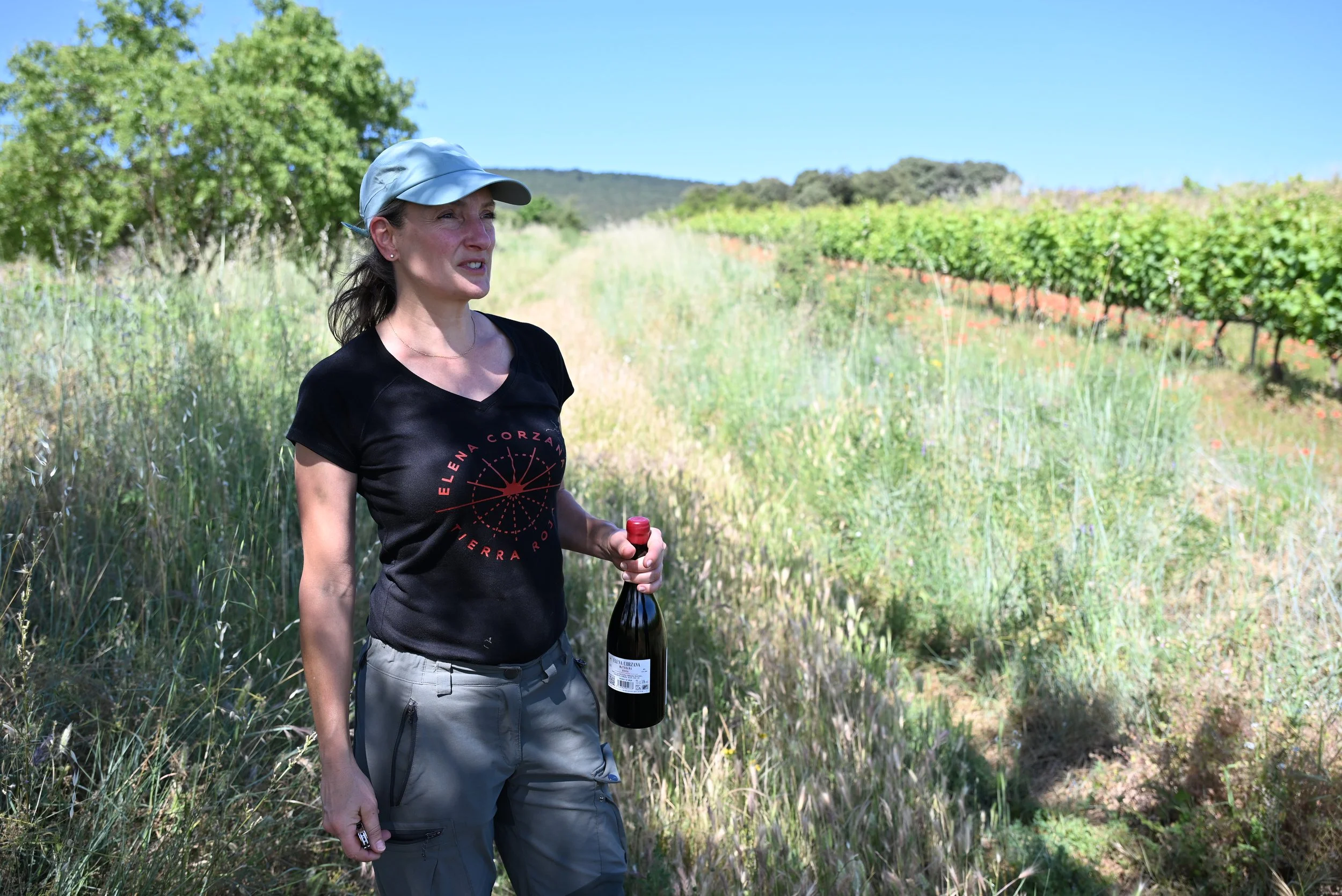
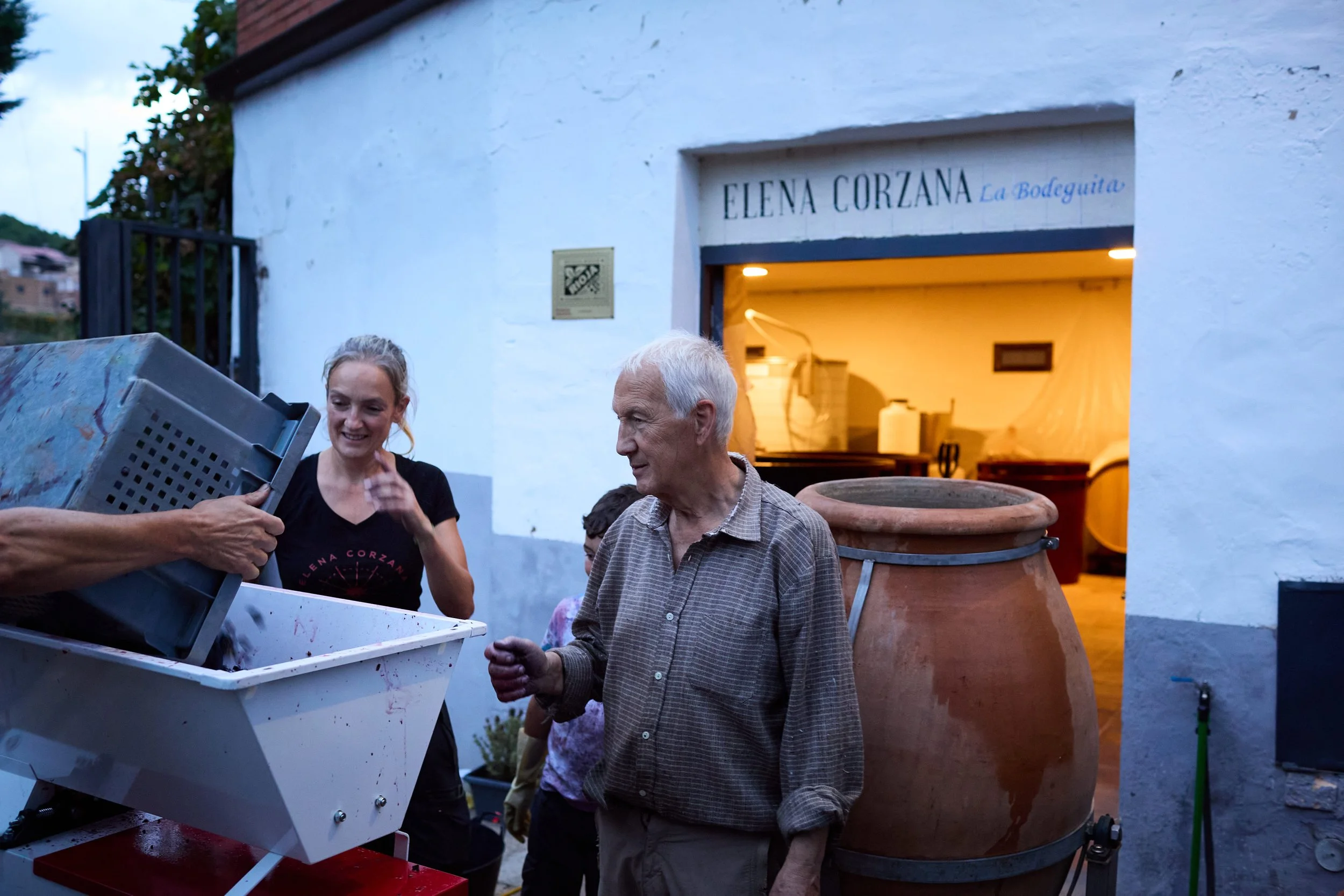
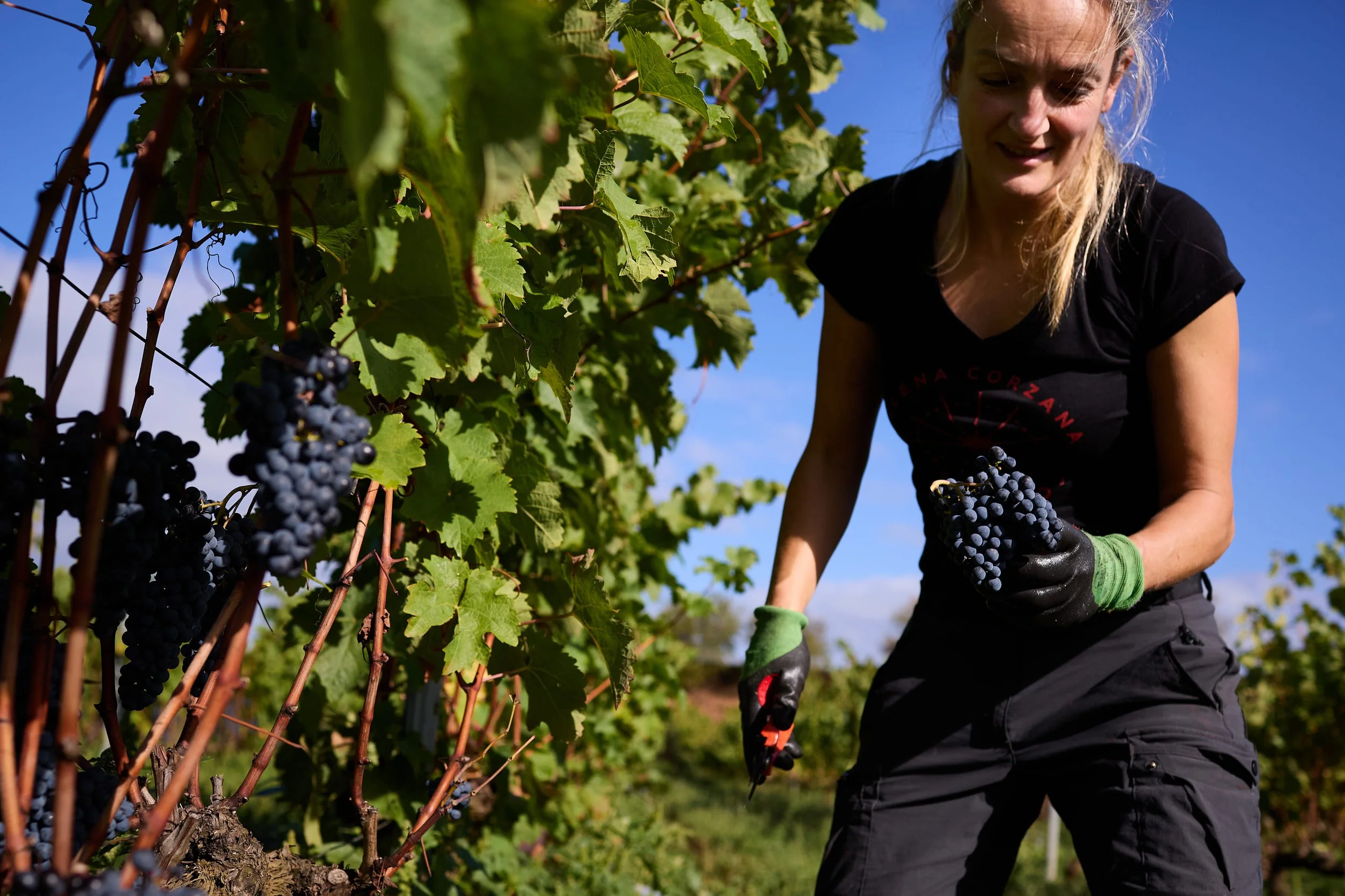
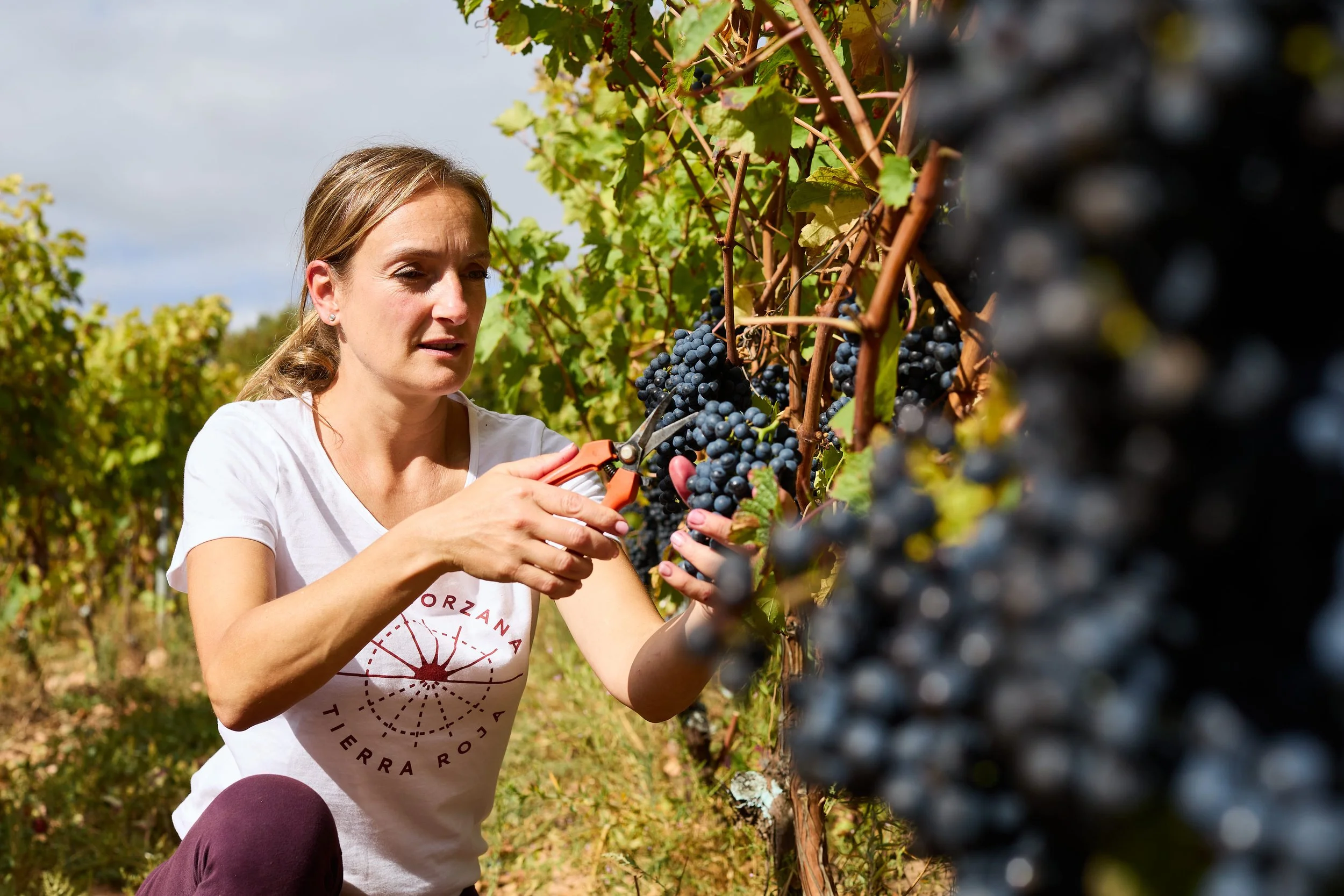
Back in Navarrete, Elena converted a modest old stable in her mother’s home into a tiny working winery where experimentation exists comfortably alongside local tradition. In 2014, she planted Maturana Tinta de Navarrete in her mother's vineyards and farmed it organically from the beginning. Her first vintage came in 2019, when she made just 500 bottles for friends and family. Today she farms approximately one hectare of certified organic vines in Navarrete while continuing to explore the historic varieties most closely associated with her home.

Maturana Blanca
Few varieties better illustrate the viticultural history of Rioja Alta than Maturana Blanca.
The grape is found today almost exclusively in Rioja and is genetically distinct from Maturana Tinta. DNA studies have identified it with vines historically recovered under the name Ribadavia near Navarrete and neighboring Sotés. According to 2021 genetic analysis, Maturana Blanca likely originated as a natural crossing between Savagnin Blanc (Traminer), and Castellana Blanca, one of the so-called founding varieties of Iberian white grapes.
Its documented history reaches remarkably far back. Maturana Blanca is considered the earliest grape variety documented by name in La Rioja, appearing in Nájera in 1622 under the name Ribadavia. The name itself offers an intriguing historical connection. Ribadavia, in the Galician province of Ourense, was already renowned for wines exported abroad during the sixteenth century, and it is plausible that the Rioja variety adopted the name because of the prestige associated with those wines.
By the twentieth century, however, Maturana Blanca had nearly disappeared. In 1988, viticulturalists Juan Carlos Sancha and Fernando Martínez de Toda recovered old vines growing between Navarrete and Sotés in the hills surrounding Moncalvillo. Viña Ijalba subsequently became the first winery to commercialize the recovered variety in 2001.
Maturana Blanca has small clusters and small berries and is both early budding and early ripening. Its wines are distinguished by naturally high acidity and freshness, with an aromatic profile moving between citrus, floral and herbal notes and, at greater maturity, more exotic quince-like fruit.
For Elena, however, its importance goes beyond aromatic character. Maturana Blanca represents another piece of the genetic and cultural history surrounding Navarrete that can once again become part of contemporary Rioja.
Her Maturana Blanca comes from Finca La Nevera, a high-altitude vineyard planted in 2009 between 680 and 750 meters above sea level in the upper Iregua Valley, at the foot of the Sierra de Moncalvillo approximately 18 kilometers south of Logroño. High elevation, Atlantic influence, breezes, and alluvial soils provide the cool conditions particularly well suited to preserving the variety's acidity and aromatic profile.
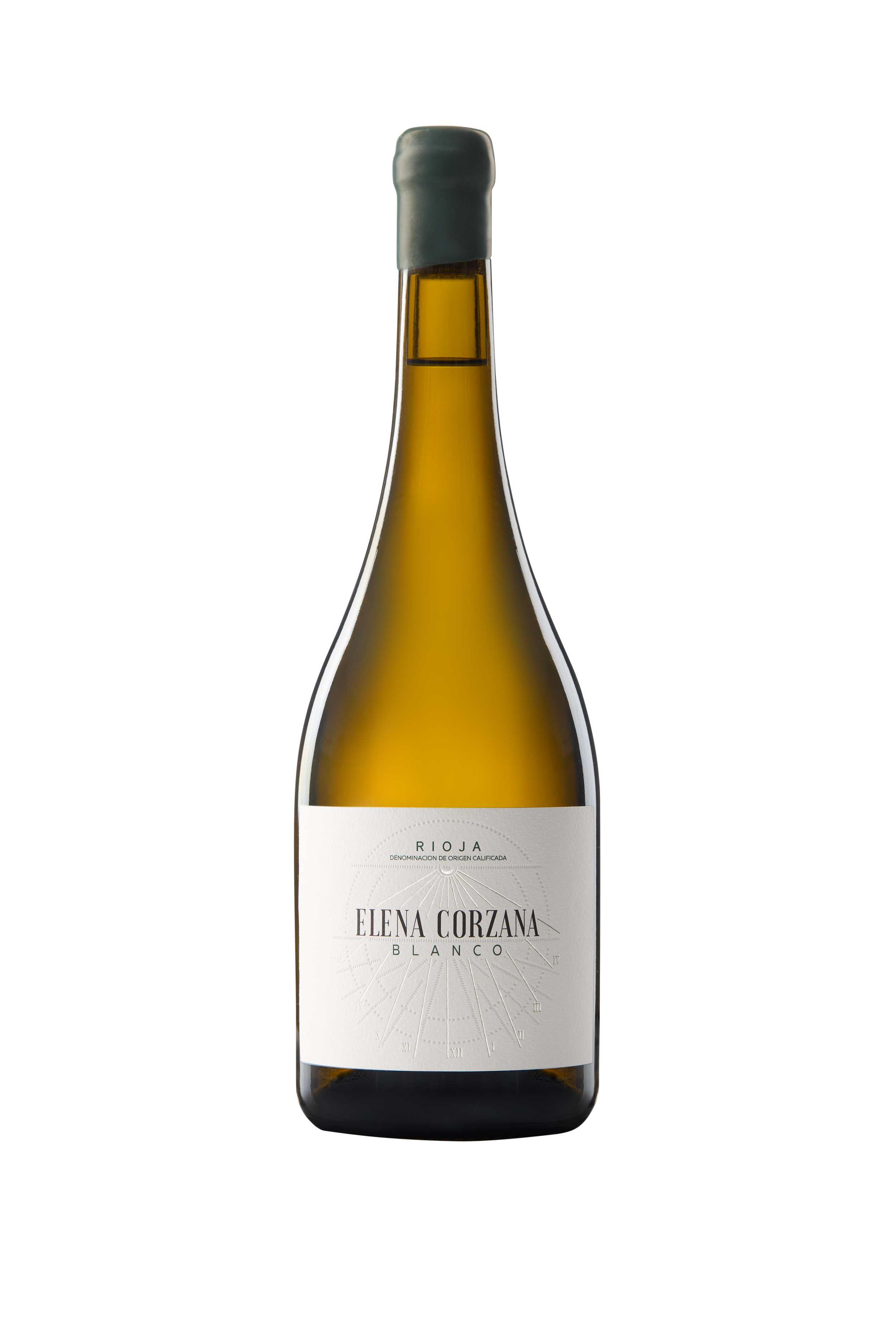
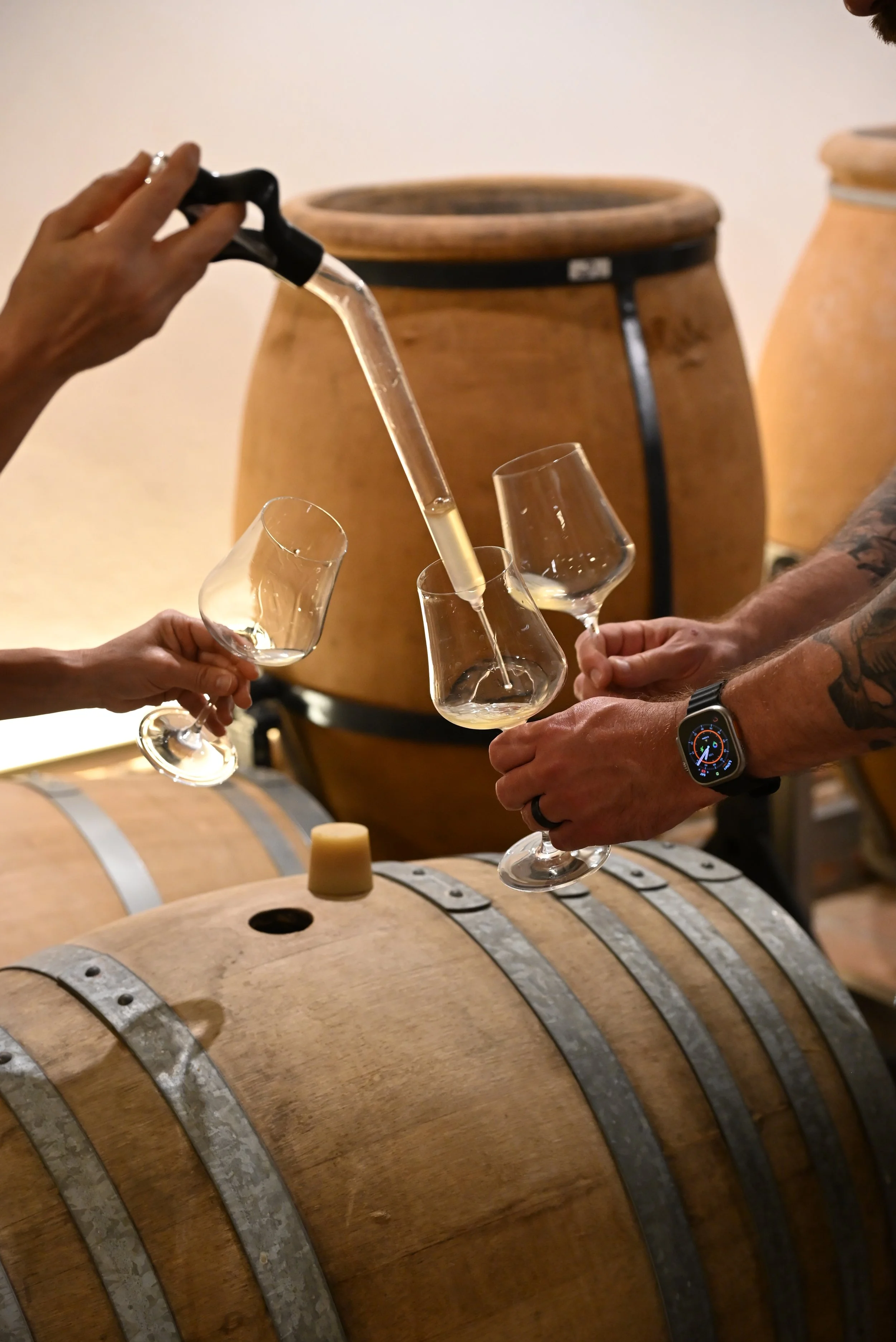
Elena first worked with the vineyard in the 2024 vintage. Rather than arriving with a predetermined formula, she approached the wine as an opportunity to better understand the grape. Fermentation takes place spontaneously with indigenous yeasts across three different vessels: French bocoy (500L), barrique (225L), and stainless steel. By observing the variety through each medium, Elena is allowing the vineyard and grape to help determine the direction the wine may take in future vintages. Current total production is approximately 1,100 bottles.
Maturana Tinta de Navarrete
If Maturana Blanca connects Elena to the deeper viticultural history of Rioja, Maturana Tinta de Navarrete ties her even more specifically to her home village.
Also known locally as Navarreteña, the variety was considered effectively lost until a handful of surviving vines were identified in a century-old vineyard near Navarrete belonging to a grower known as Ropilla. Once again, Juan Carlos Sancha and Fernando Martínez de Toda played a central role in identifying and propagating the surviving material. Their work eventually contributed to the Rioja Regulatory Council authorizing both Maturana Blanca and Maturana Tinta for use within Rioja in 2007.
Its disappearance appears closely connected to phylloxera. Maturana Tinta was low yielding, and when Rioja's vineyards were reconstructed on American rootstocks following the devastation of the nineteenth century, growers had little economic incentive to replant a variety that produced less fruit than the alternatives available to them. Over time, it slipped almost completely from the landscape.
Its genetic history makes the story even more remarkable.
According to the preeminent Ampelographer José Vouillamoz, in 2011 DNA analysis demonstrated that Maturana Tinta de Navarrete is genetically identical to Castets, a rare black-skinned variety historically associated with southwestern France and the right bank of the Garonne. Castets itself is the result of a spontaneous crossing between two exceedingly rare varieties: Camaraou Noir, associated with the Pyrénées-Atlantiques, and Gros Cabernet from the Basque Country. Gros Cabernet is also a parent of Carmenère, making Castets a half-sibling of Carmenère and part of the broader family of grape varieties that developed across southwestern France and the western Pyrenees such as Cabernet Franc, Hondarrabi Beltza, and Petit Verdot.
The Camino de Santiago provides a compelling possible explanation for its presence in Navarrete. The French Way passes directly through the village, and it is believed that Castets may have traveled south from the Gironde along this ancient corridor of pilgrimage and exchange before taking root in Rioja and eventually becoming known locally as Maturana Tinta de Navarrete.
Castets itself nearly disappeared in France after phylloxera, but interest has recently begun to return. It has been reintroduced in small quantities in Minervois and, since 2023, as an authorized minor variety in both Médoc and Margaux.
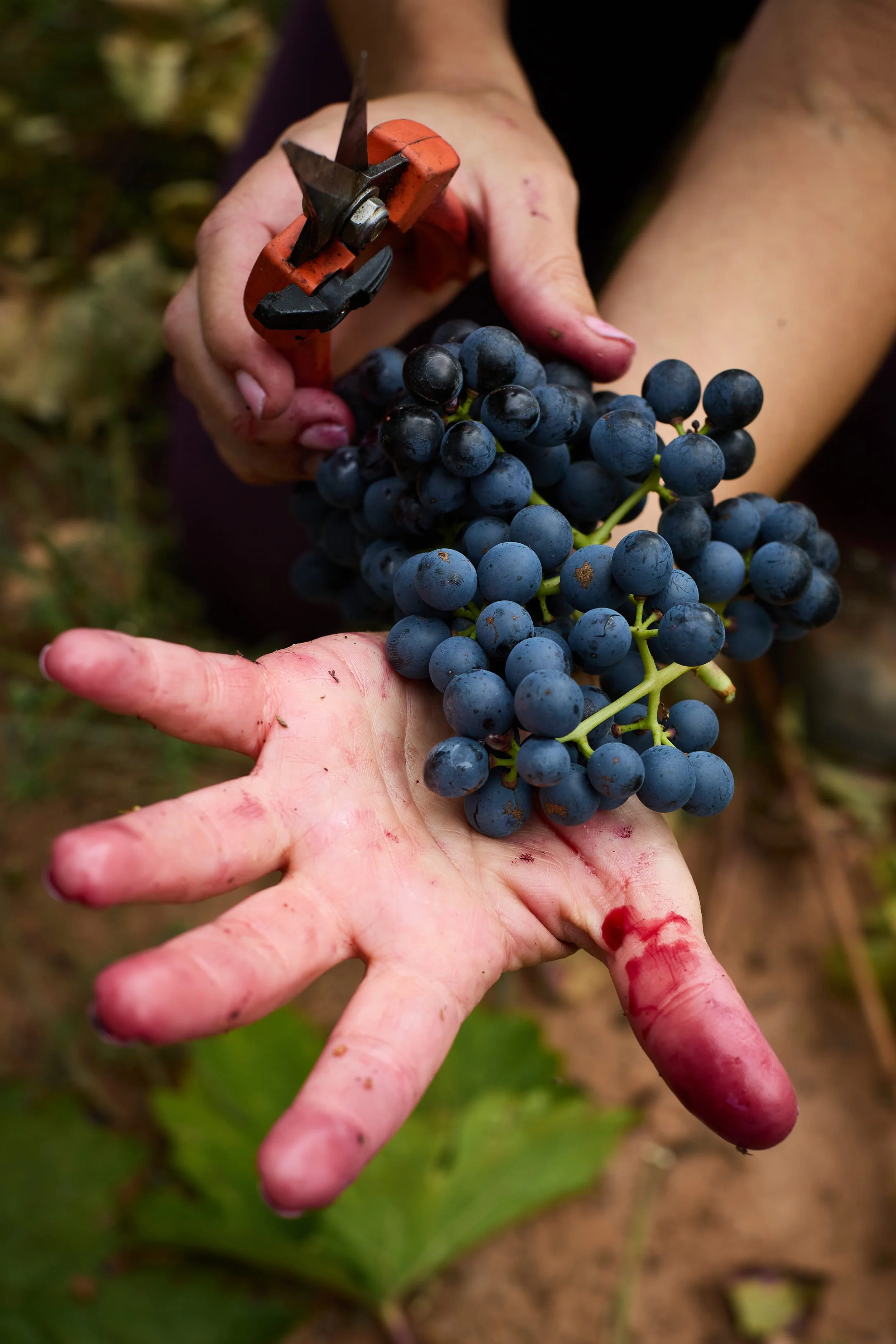
This history would be interesting enough on its own, but the variety also possesses practical qualities that make its recovery particularly relevant today. Maturana Tinta de Navarrete is late budding but early maturing, giving it a relatively short vegetative cycle. Late budbreak offers some protection from spring frost, while early maturation can allow growers to complete ripening without an excessively long growing season. Its small, compact berries are blackish-blue, and the variety shows greater resistance to downy mildew than Tempranillo and many other traditional grapes, potentially reducing the need for vineyard treatments. It is, however, susceptible to botrytis and performs best in well-ventilated sites.
For a grower like Elena, this makes Maturana much more than a historical curiosity. Preserving genetic diversity is part of preserving Rioja, but these old varieties may also provide practical tools for farming the region in a rapidly warming climate.
Elena explains it this way:
“When people ask me why I've chosen Maturana Tinta, I always give the same answer: because it has something that can't be faked. It's a variety forgotten for years, sidelined by less commercial interest, displaced by others that are more productive or easier to work with. But Maturana endures. It has grit. It's intense, profound, and sincere. Just like I like to be. Just like my way of making wine.”
In the glass, Maturana Tinta is equally distinctive. The wines carry a deep violet color from naturally high levels of anthocyanins while maintaining significant acidity. The variety can be highly aromatic, with characteristic spice and pepper notes associated with its pyrazine content, and combines structure with surprisingly silky tannins. As a varietal wine, it can produce focused, medium-bodied reds with freshness, persistence, and a personality quite different from the Tempranillo that dominates modern Rioja.
Elena describes what she wants from the grape very simply:
“In Maturana, I look for freshness, not too much alcohol, and wines that are easy to drink and enjoyable over time.”
Expressions of Navarrete
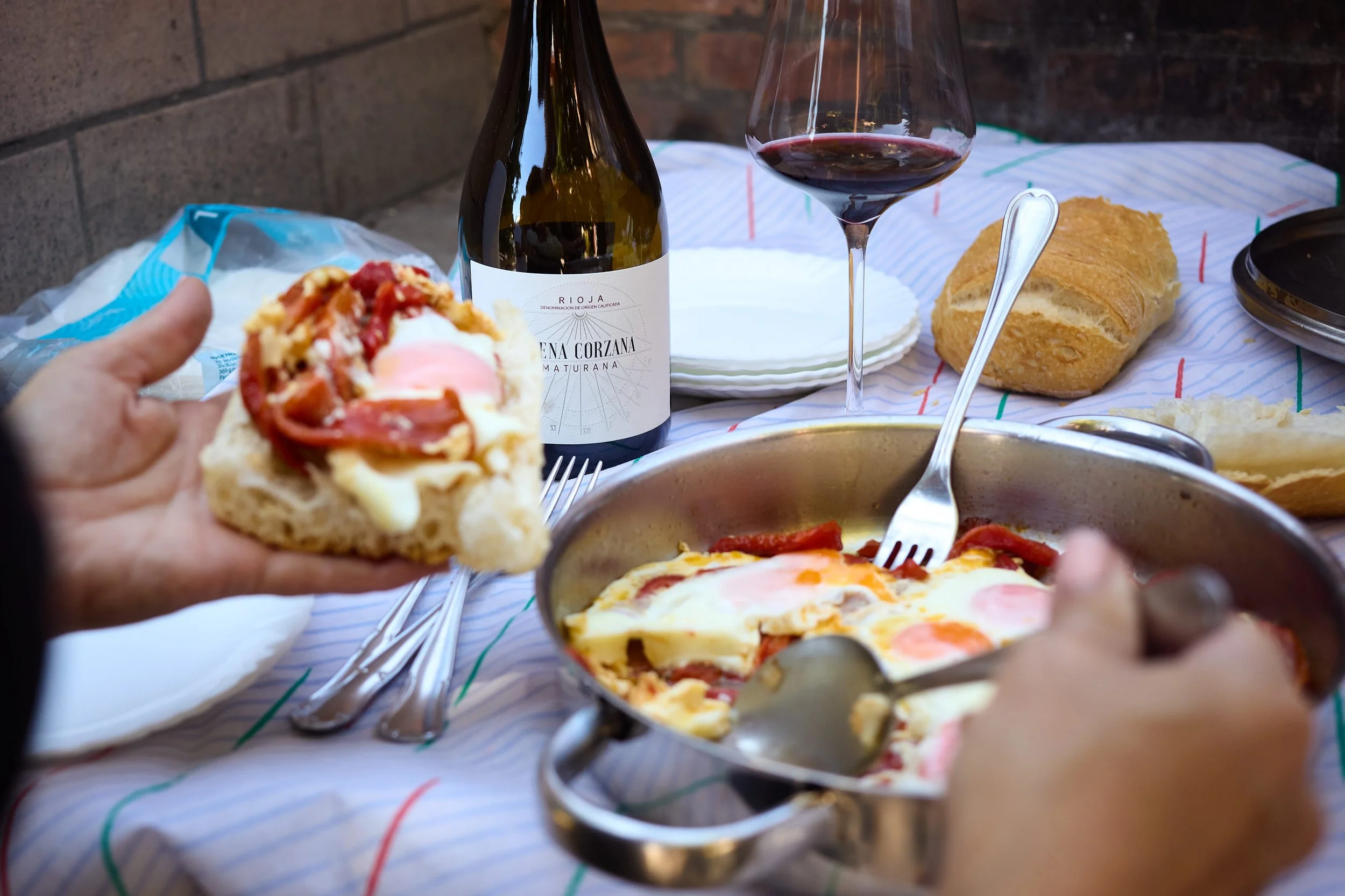
Today Elena Corzana produces two different expressions of Maturana Tinta de Navarrete, each from a separate parcel in the Dehesa west of the village.
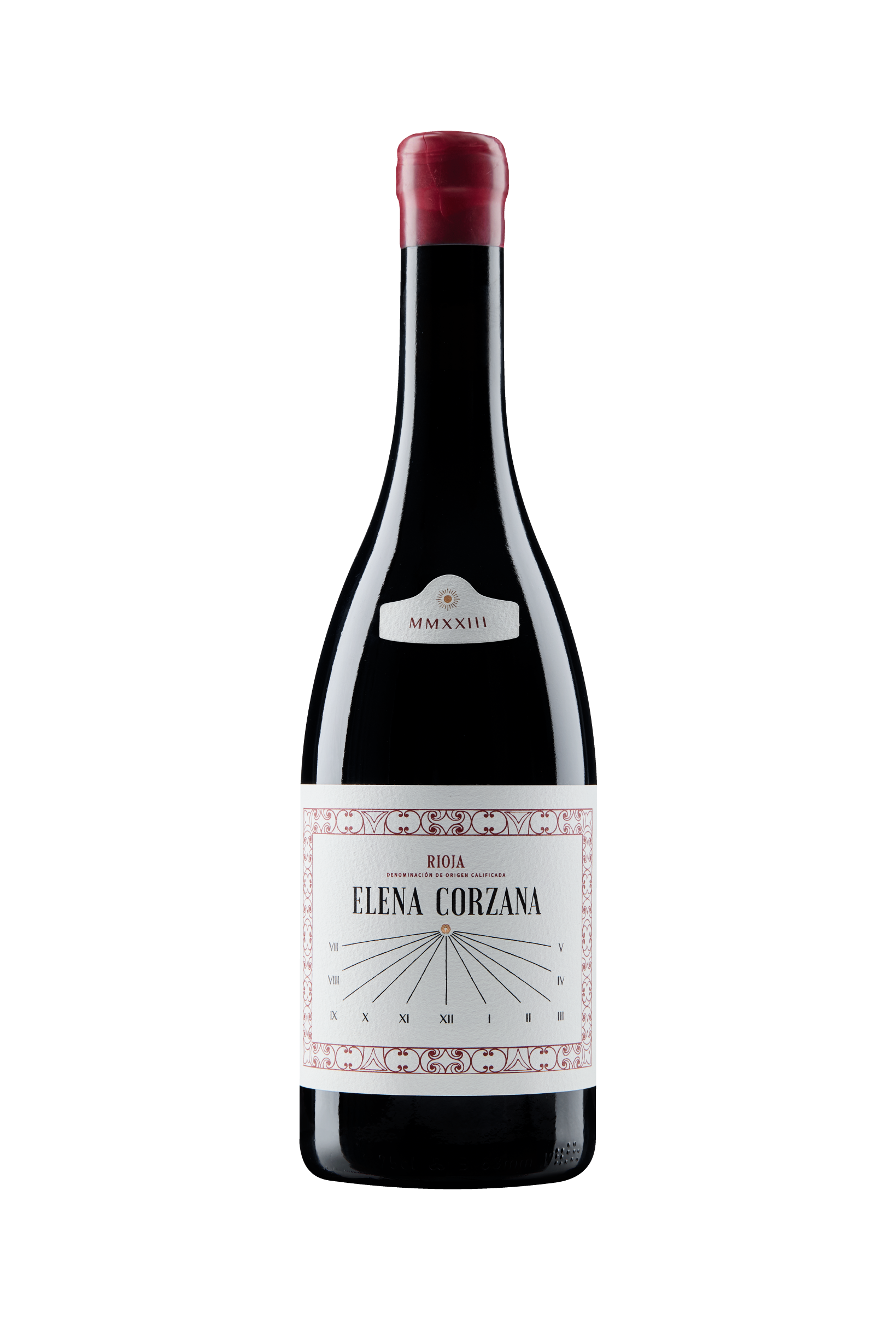
Her flagship Elena Corzana Maturana is the original and more structured expression, coming from Las Encinillas, an extraordinarily small 0.4-hectare parcel at approximately 550 meters in the mountainous, forested landscape west of Navarrete. The vineyard was planted in 2014 south-east and has been certified organic since 2018. From this tiny site, Elena produces approximately 800 bottles annually. The resulting wine is enchanting and pure luxury on the palate. Enveloped in a deep violet-cherry robe with crushed minerals on the nose and aromas of dark fruit and spices, Maturana Tinto is very well-balanced, full-bodied, full-flavored, with a fresh acidity, and silky tannins.
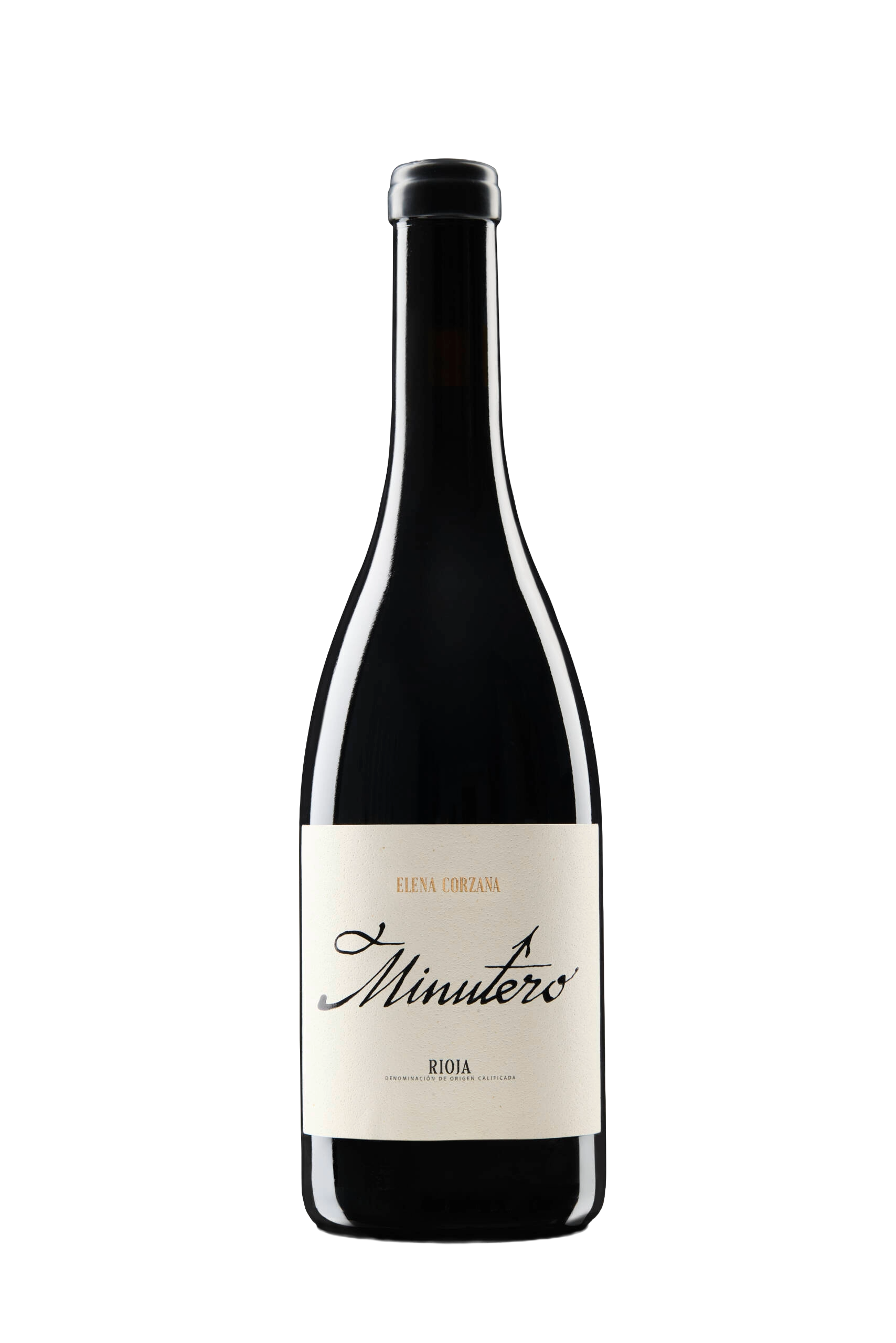
Since 2023, Elena has also produced Minutero, from Las Manecillas, a 0.4-hectare vineyard immediately downslope from the original parcel, also at approximately 550 meters. Planted in 2014, Las Manecillas sits on red clay and iron-rich soils over an alluvial subsoil. The vineyard is oriented east-west, somewhat warmer and more expressive than Las Encinillas and ripens approximately one week earlier, producing a lighter and spicier interpretation of Maturana Tinta. Current production is approximately 2,000 bottles.
The relationship between the vineyards and the cellar is particularly meaningful because Elena works with the same material that has shaped life in Navarrete for centuries: clay.
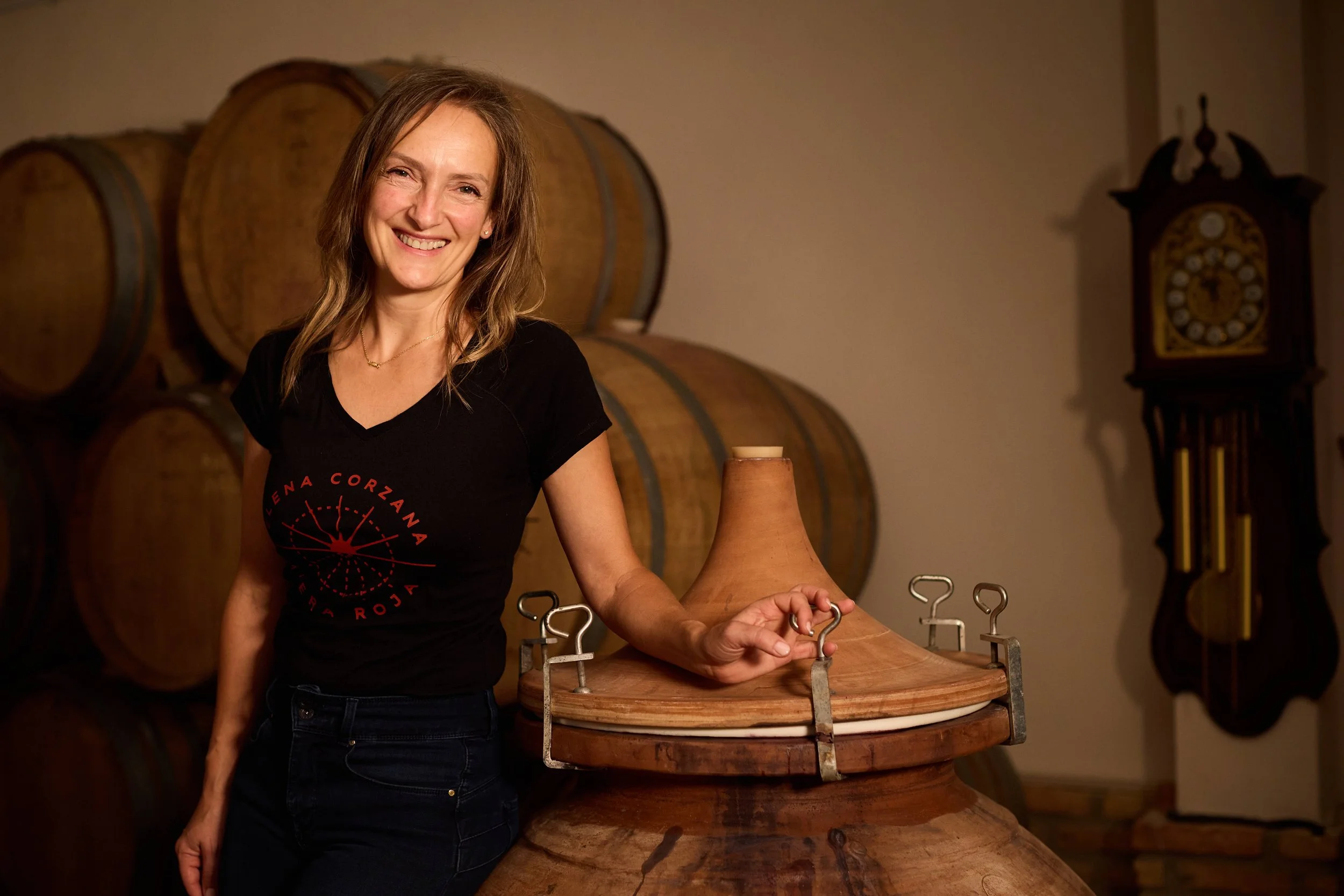
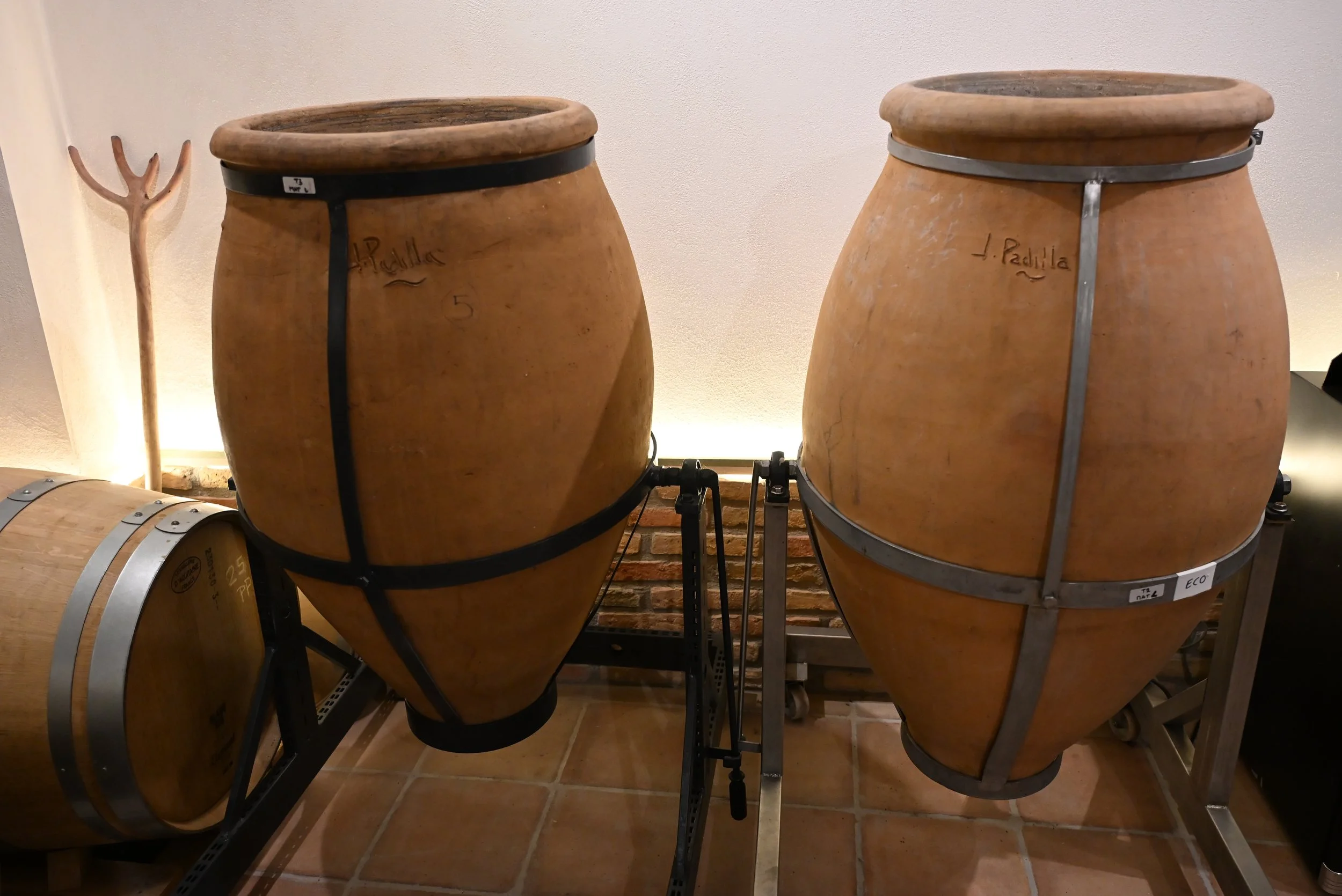
Her signature red wine is fermented in part in traditional Navarrete tinajas, clay vessels made from the same local red earth in which the vines grow. The tinajas allow Elena to preserve the varietal character and freshness of Maturana while building texture without masking the wine beneath new oak. Her cellar work combines these local clay vessels with French barrels, followed by élevage in used wood. It is a contemporary approach grounded in the material culture of the village itself: grapes grown in Navarrete's red soils, fermented partly in vessels made from that same earth.
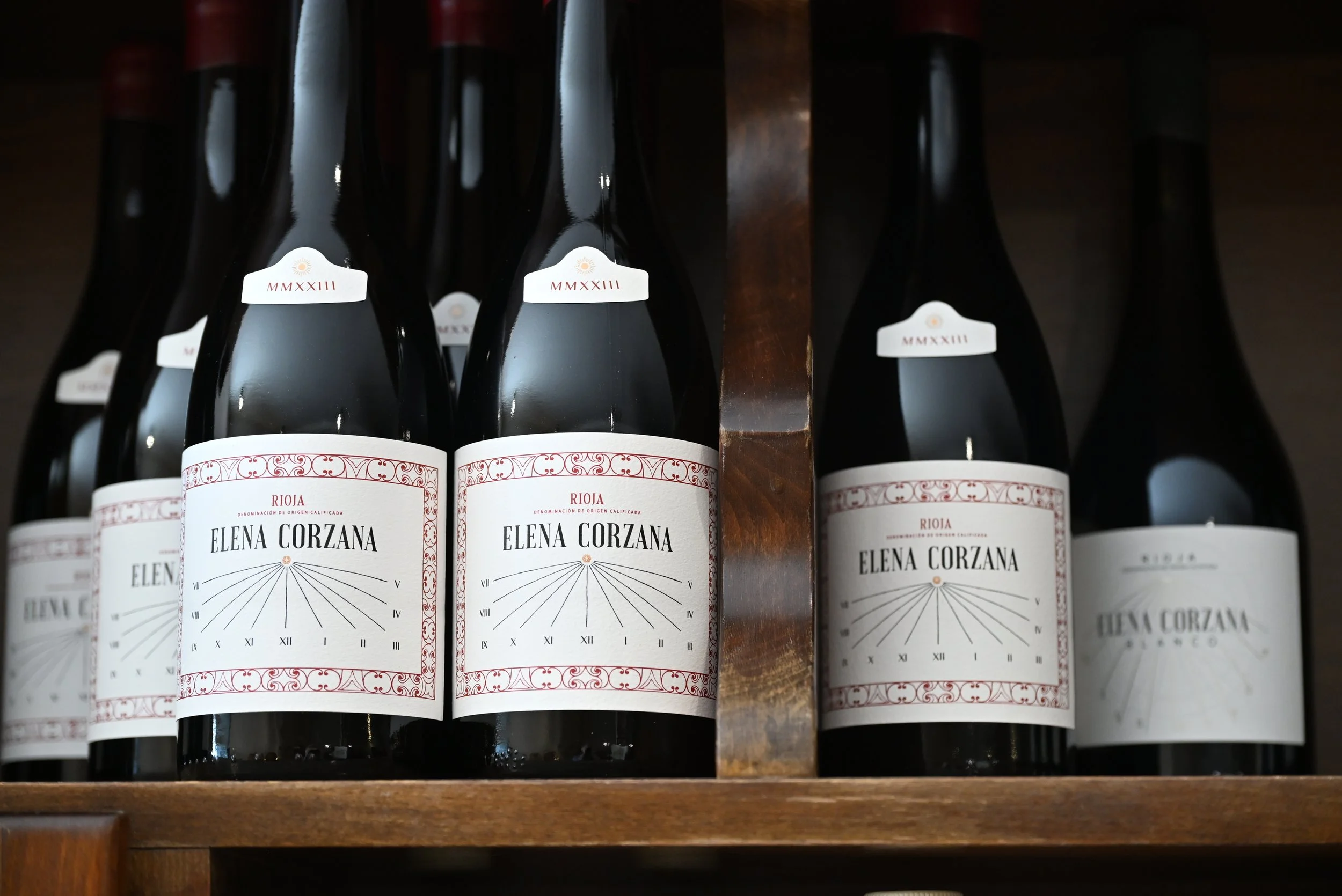
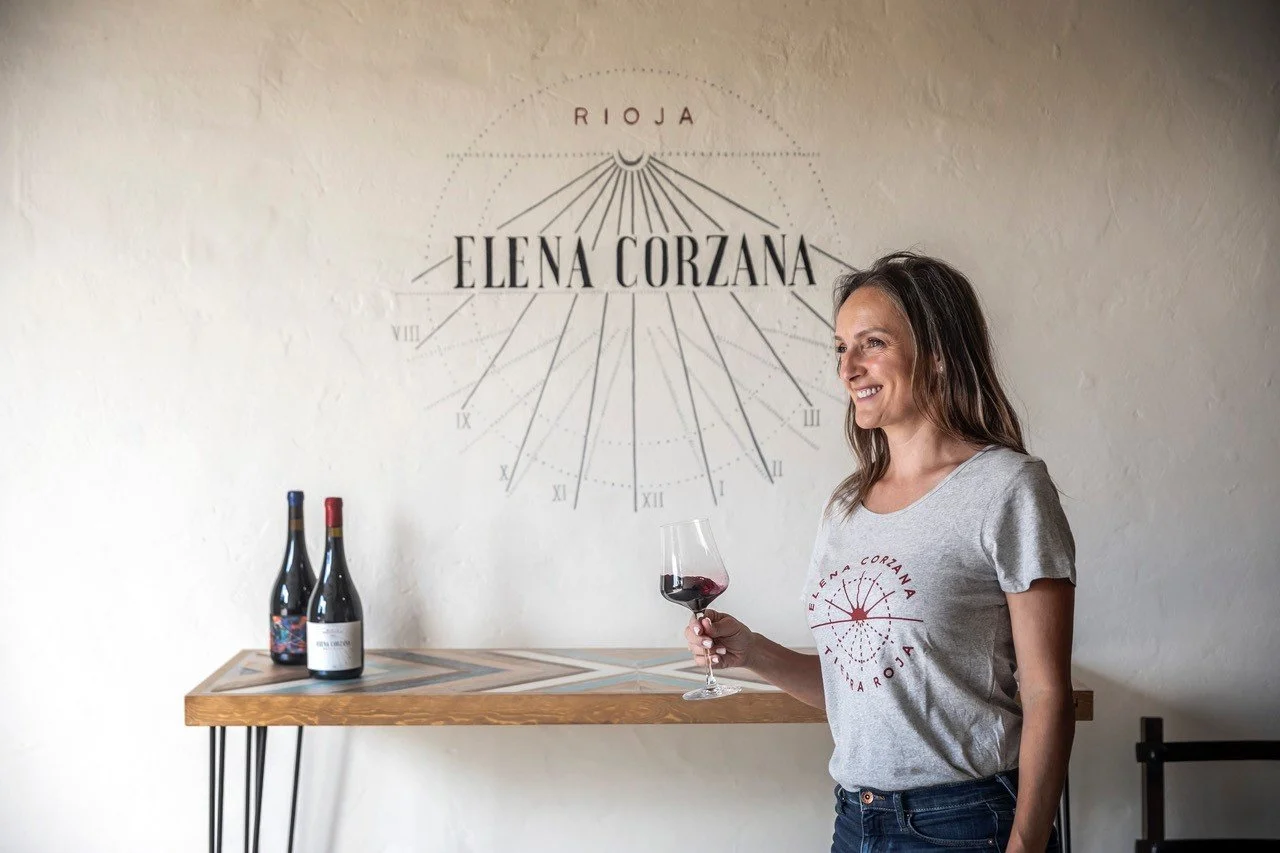
There is another piece of family history woven through Elena's wines as well. Her father, Paco, is a watchmaker, and Elena has long been known in Navarrete as the watchmaker's daughter. References to clocks, watches, and the passage of time appear throughout her labels. The name Minutero, referring to the minute hand of a watch, is itself a tribute to Paco.
The Connection
Elena is also a member of Menudas Bodegas, an association of eleven of Rioja's smallest independent producers. Its members are growers first, personally working their own vineyards and deliberately keeping their projects within the scale they can farm themselves. That philosophy is particularly meaningful in a region whose international identity has historically been shaped by much larger wineries. Menudas Bodegas offers another view of Rioja: intensely personal projects where the person pruning the vineyard, harvesting the grapes, making the wine, and standing behind the bottle is often the same person.
Elena’s project is compelling because she looks more deeply into her history and connects the dots in a way that is instantly understandable to the drinker. An inherited family vineyard, varieties rescued from near extinction, locally made clay vessels, a pilgrimage road that may help explain how a grape traveled across borders centuries ago, and labels honoring her father's trade all become parts of the same story.
That is also what draws us to Elena at Pyrenees Wine Merchants.
Today, Elena Corzana embodies the spirit of artisanal La Rioja, where respect for tradition blends with innovation and a commitment to quality. Her winery in Navarrete is more than just a workplace; it is a reflection of her love for the land and her desire to preserve the authenticity of Rioja wines. Through her dedication and passion, Elena continues to write the most beautiful chapter of her story, honoring the legacy of her ancestors and sharing the magic of wine with all who have the privilege of tasting it.
She expresses that conviction better than we can:
“I don't make wines to please everyone. I make wines that express terroir, time, and vision. Wines born from a deep connection to La Rioja, but that don't hide behind a convenient label. People come to me looking for honest wines, wines with identity, wines that aren't designed for the algorithm, but for the table and conversation. My job is not just to make wine. It's to uphold a vision. Wine is not an isolated product, it is identity, it is culture, it is positioning.”
There is something fundamental to Pyrenees in that idea. Elena is preserving family vineyards and rare cultural practices, but she is not treating either as a museum piece. She is asking what they can contribute to Rioja now and what they might preserve for its future.
Her wines are small in scale, intensely personal, and inseparable from Navarrete. They remind us that progress in wine does not always mean leaving tradition behind. Sometimes it means returning home, looking more carefully at what was already there, and carrying it forward with greater purpose.
The Wines of ELENA CORZANA