Freire Lobo
Oliveira do Hospital • Dão-Alva • Portugal
Location:  Dão, Portugal
Village: Oliveira do Hospital
Appellation: Dão - Alva Subzone
Climate: Mountainous continental climate with a Mediterranean influence. Large diurnal shift.
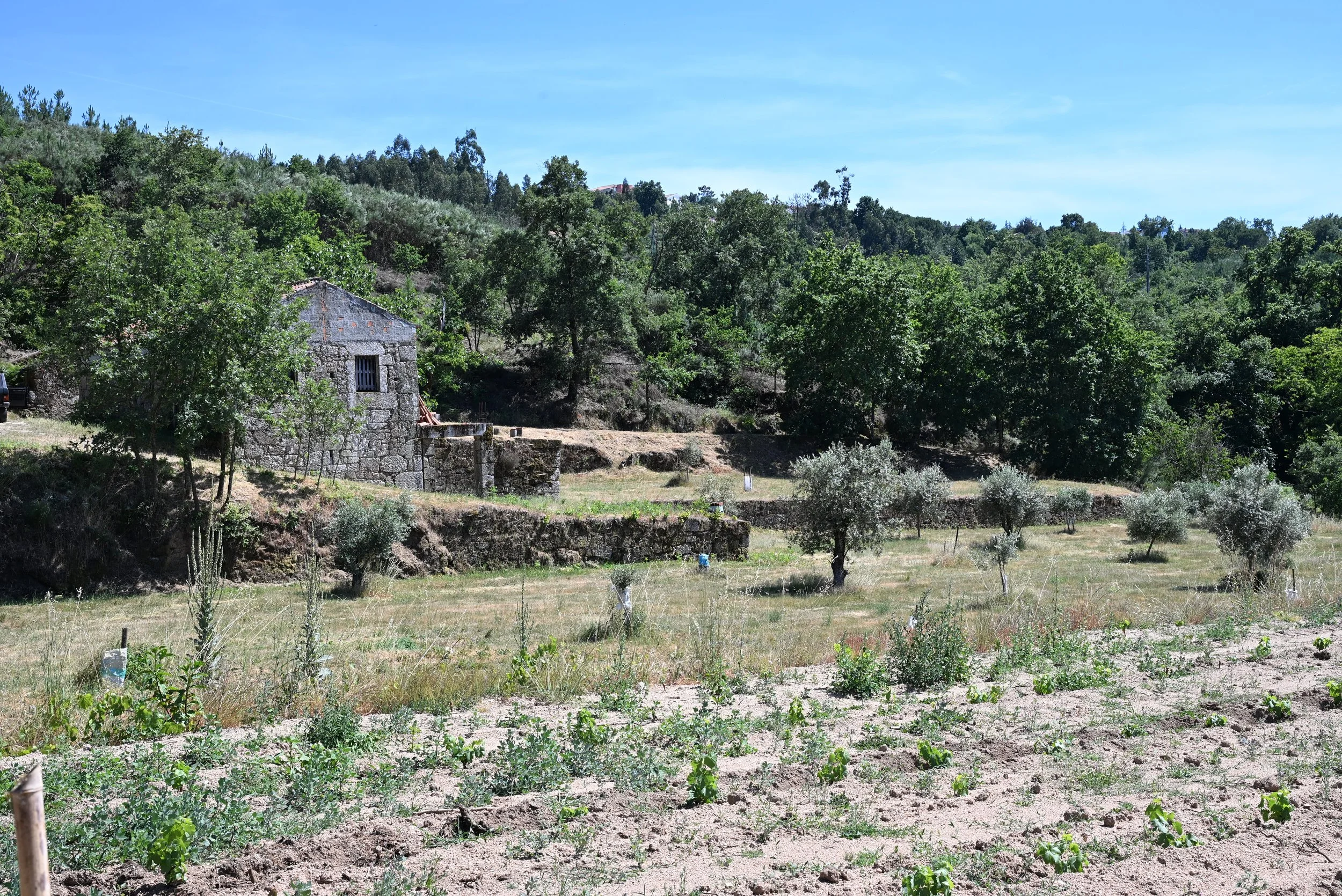
Elevation: 560m to 600m
Soils: Decomposed granite with
loamy-clay topsoil with sandy to silty-sandy textures. Low fertility, excellent drainage.
Vineyards: 15ha - Co-planted varieties
Farming: Organic, Regenerative
Varieties: Red: Touriga Nacional, Alfrocheiro, Tinta Roriz, Jaen, Alvarelhão, Baga, Bastardo, Tinto Cão, Tinta Pinheira. White: Encruzado, Bical, Cerceal Branco, Uva-Cão, Fernão Pires, Malvasia Fina, Barcelo.
Cellar: Hand harvesting, gravity flow, foot-treading, native yeast fermentations in temperature controlled inox lagares, minimal intervention, aging in inox and used French barrels.
Proprietor: Elisa Freire Lobo
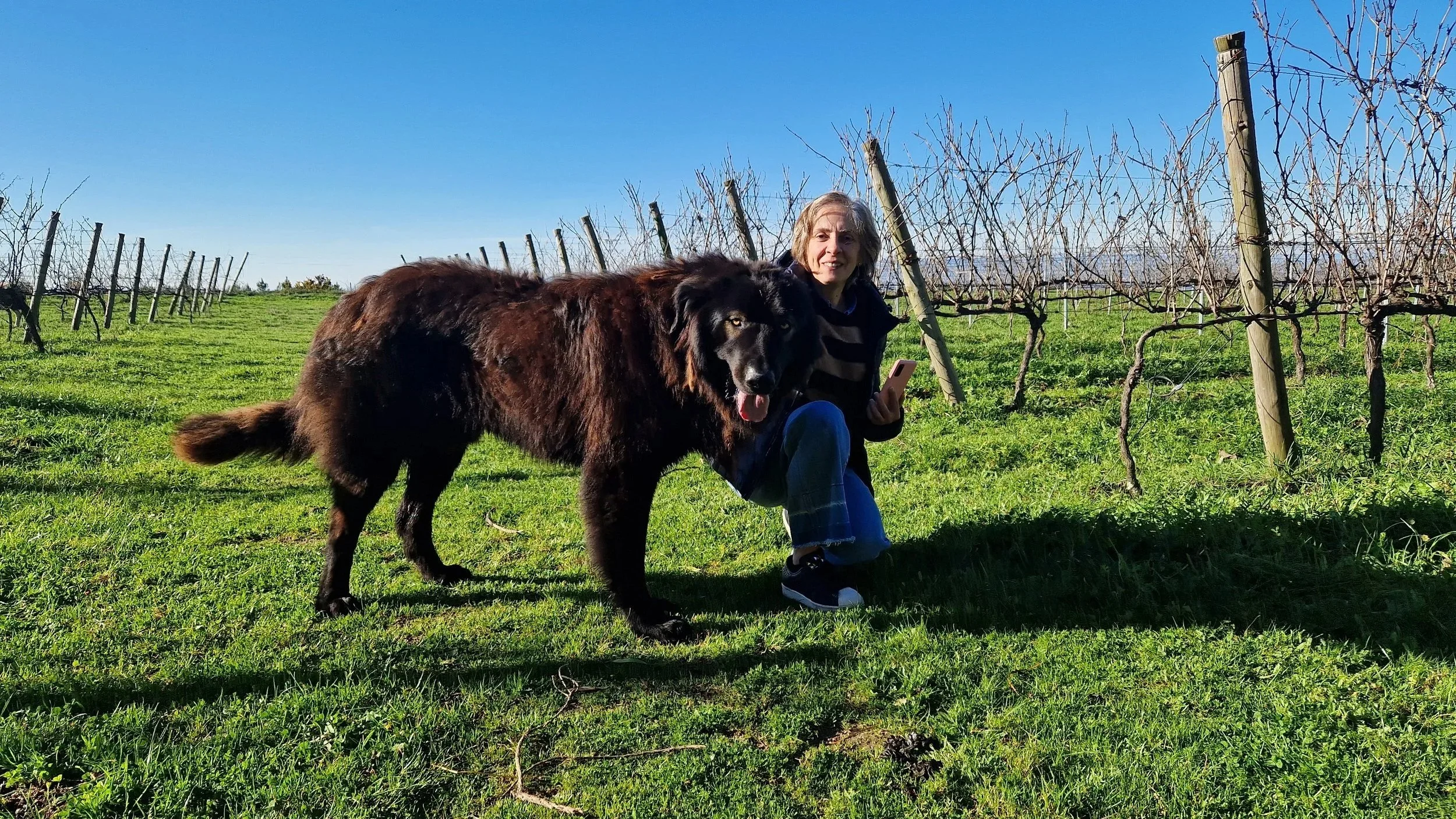
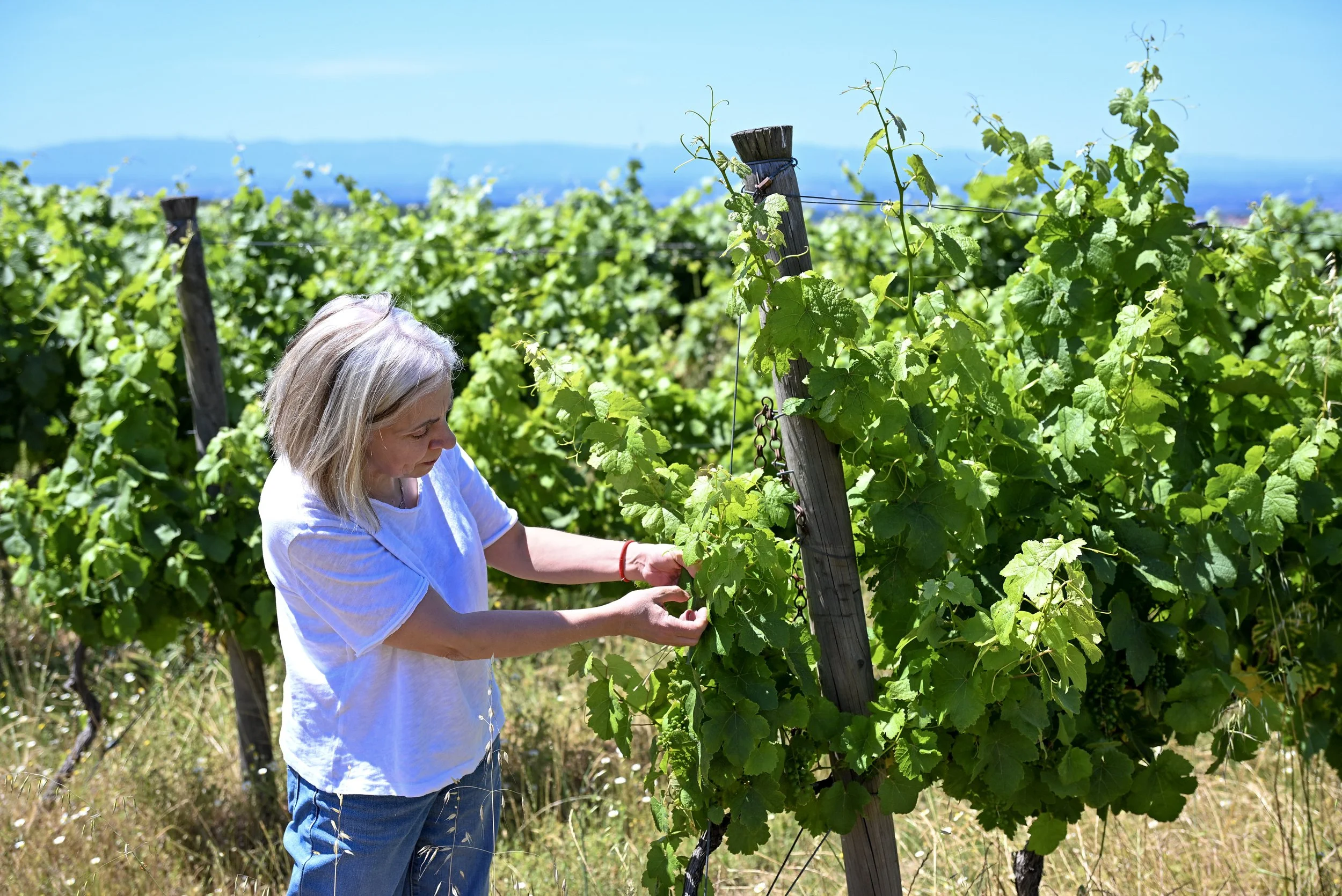
Viticulture & Winemaker: Elisa Freire LoboA Human Scale Dão Pioneer
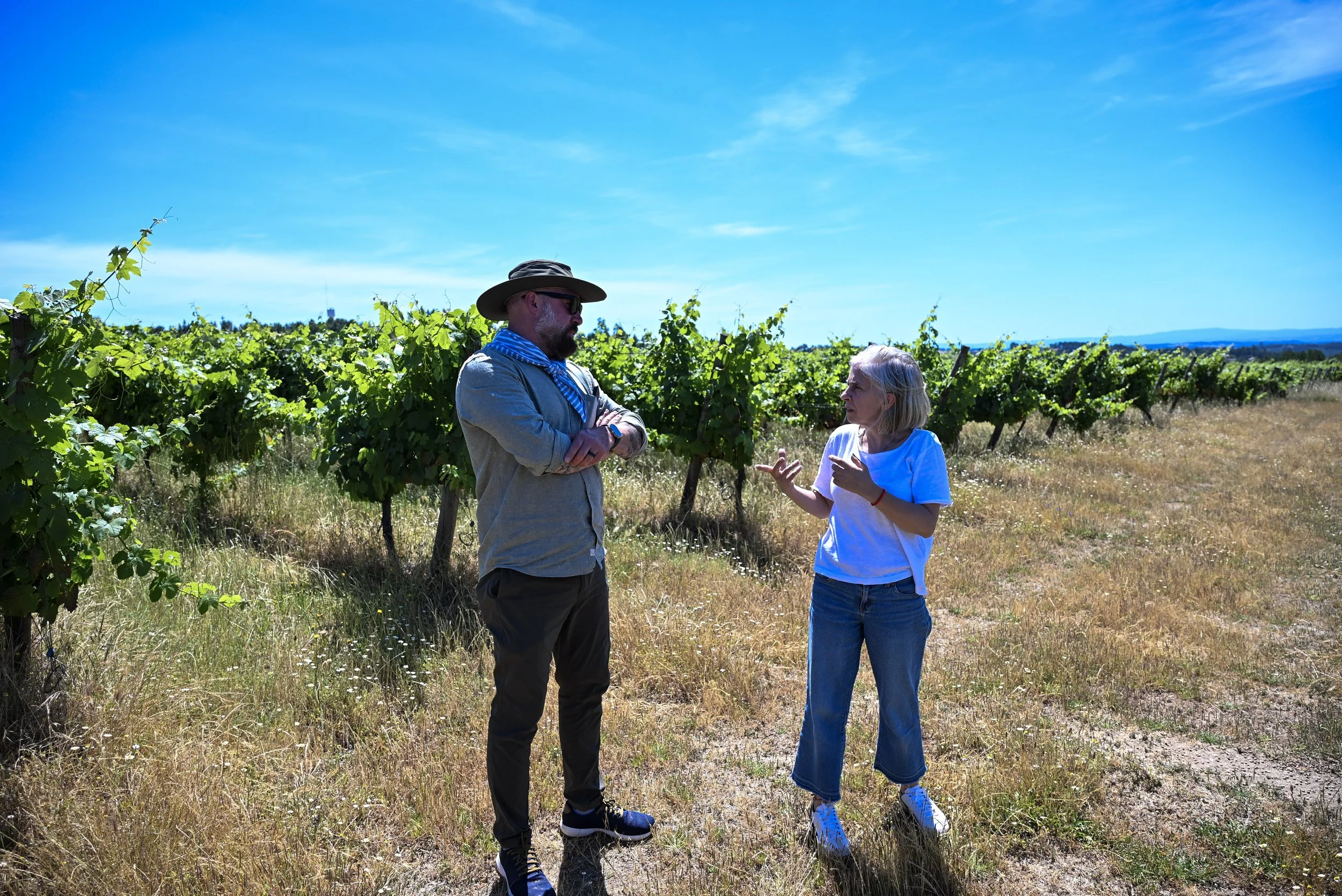
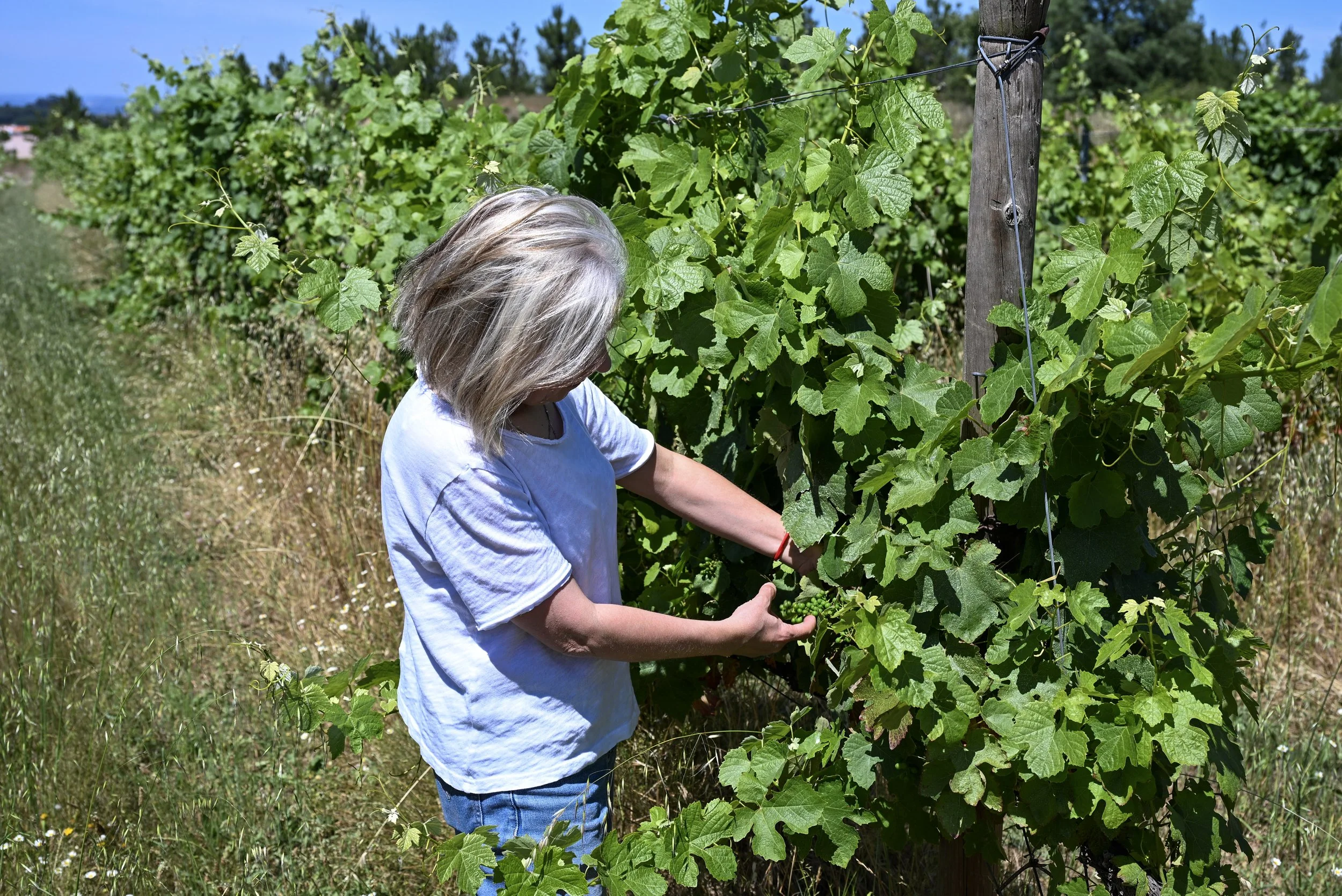
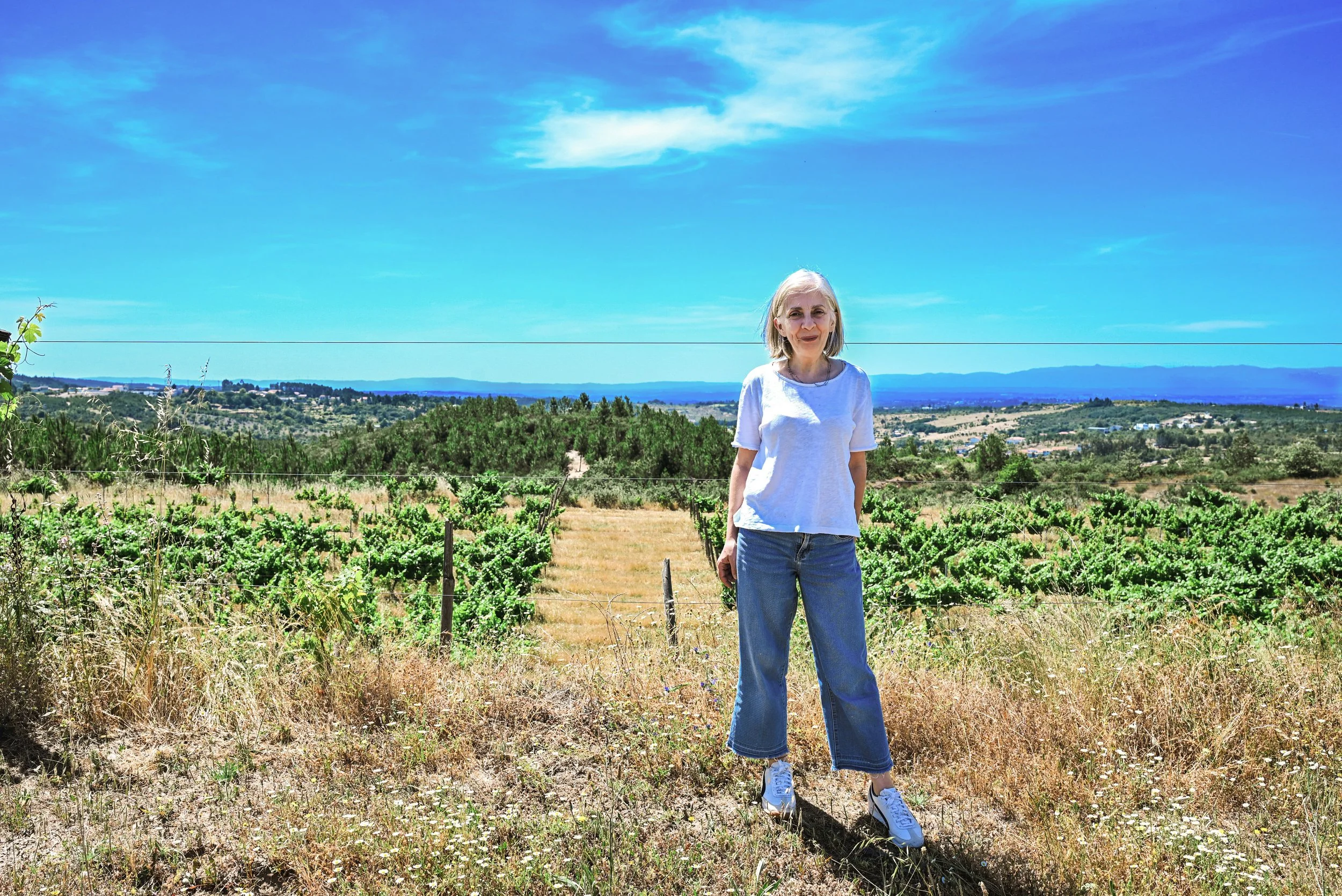
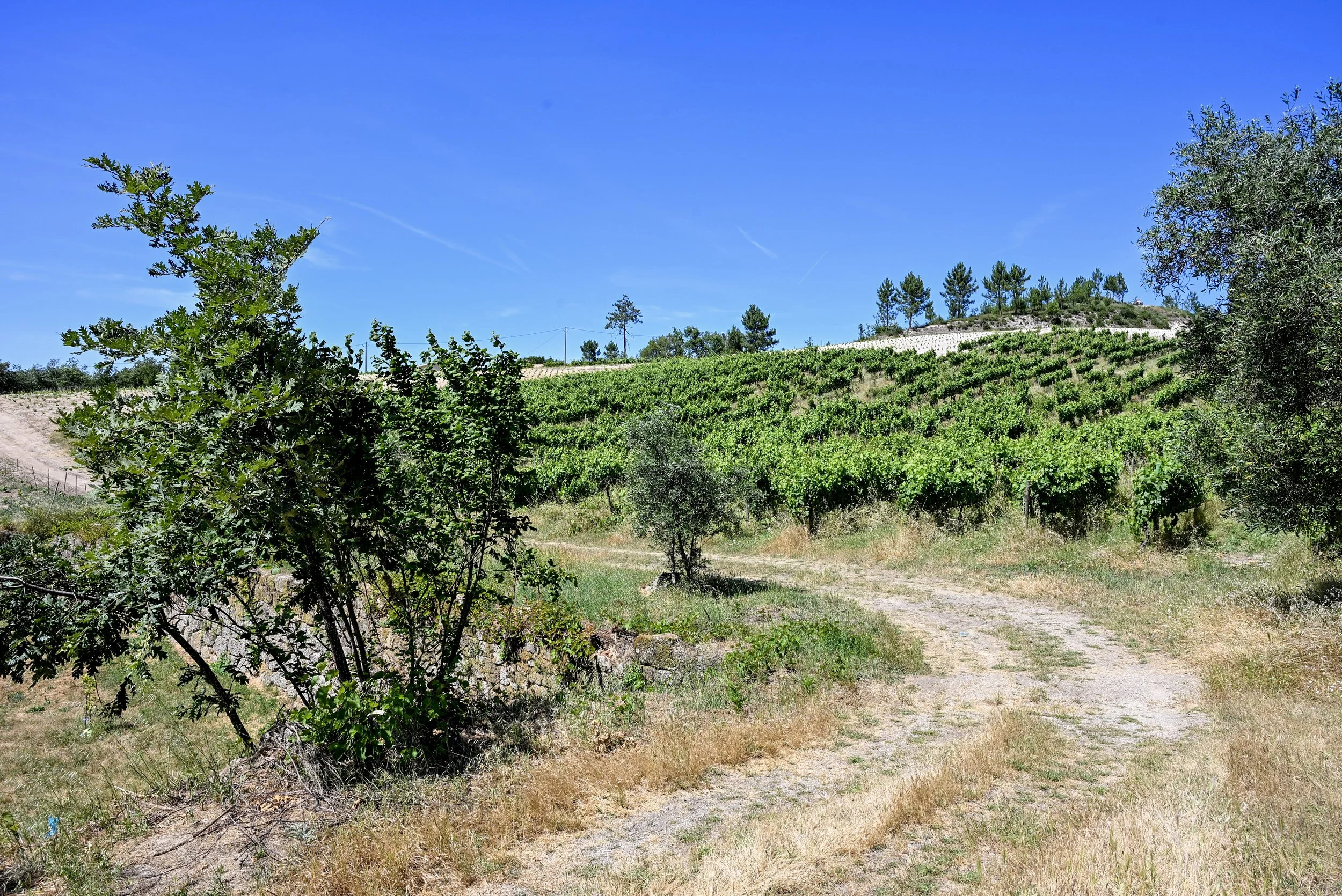
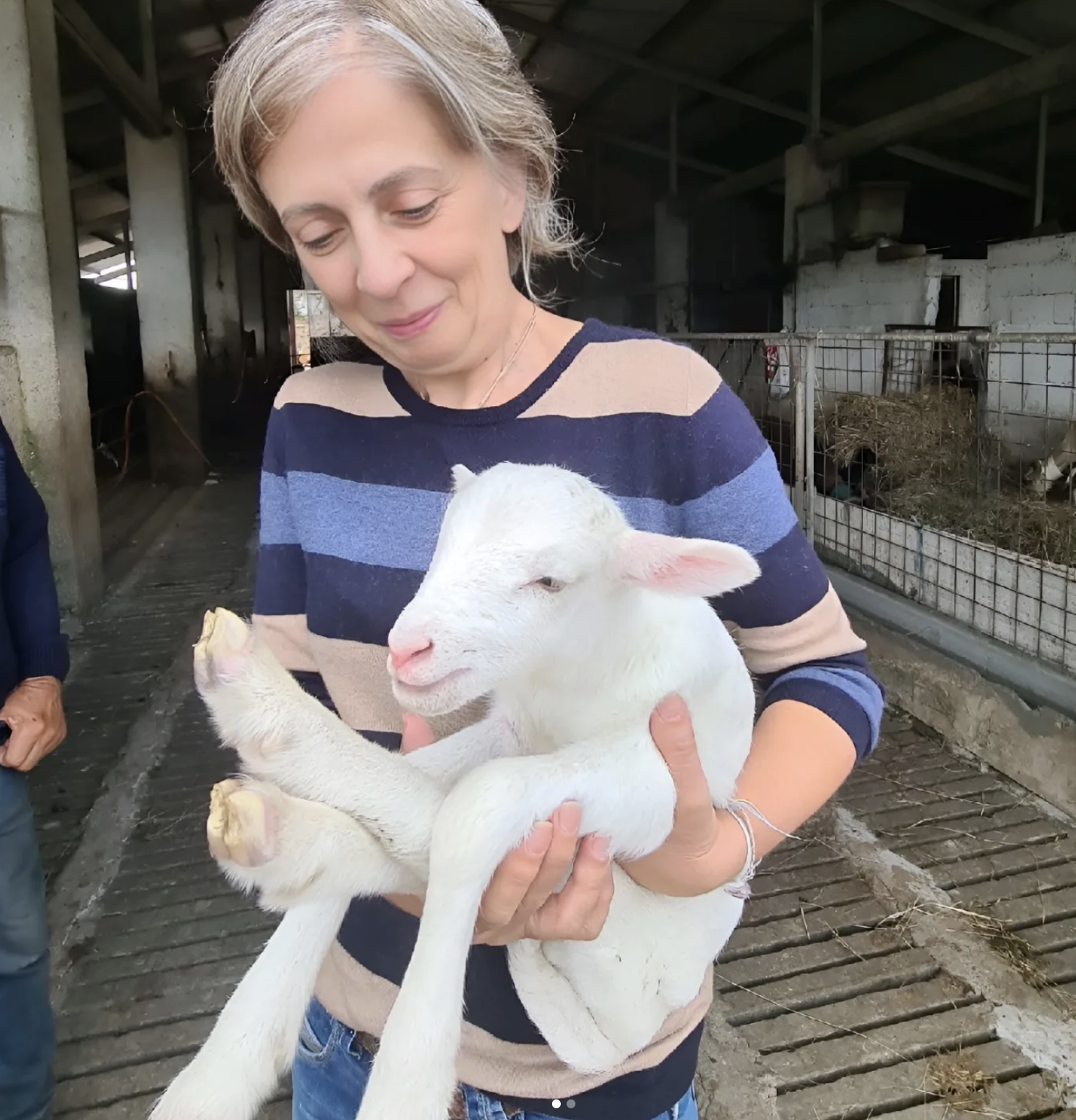
Elisa Freire Lobo is a small, traditional wine and cheese artisan working in the foothills of Portugal’s Serra da Estrela and Serra do Açor mountains, where her family’s vineyards and pastures form part of a working landscape of sheep, vines, wild grasses, and decomposed granite. Based in the village of Oliveira do Hospital, in the Alva subregion of the Dão in central Portugal, Freire Lobo encompasses approximately 15 hectares of vineyards, including vines planted in 1956 and younger plantings, at elevations of 560 to 600 meters. The wines come exclusively from estate grapes, carrying forward generations of agricultural knowledge through Elisa’s own experience and convictions.
“For me, Freire Lobo has always been about more than grapes. It's about a place, a family history and the belief that great wines should express where they come from.
This was not simply about making wine differently, but about rethinking the way we work in the vineyard and our relationship with nature. I wanted to create wines that reflect the place they come from, while respecting the land and preserving it for the future.
Freire Lobo is, above all, a personal journey of discovery, an ongoing effort to understand and express the character of Dão through its old vineyards, native grape varieties, granitic soils and high-altitude landscape. My aim is to make wines that are true to their origin, with freshness, elegance and a genuine sense of place.”
A native of the Dão region, Elisa began her winemaking career in 1996, working and studying at Caves São João in Bairrada and with Anselmo Mendes in the Douro. She returned to the Dão in 1999 and worked with Álvaro Castro, Magalhães Coelho, Carlos Lucas, Casimiro Gomes, and Carlos Rodrigues, members of the generation that helped guide the region’s modern revival and its transition from industrial cooperative production toward high-quality estate wines. As the first formally trained, modern-era female enologist in the Dão, she developed her skills alongside some of the region’s most influential figures while gradually finding her own direction.
In 2010, Elisa took over her family’s vineyards and cheese business located in an idyllic countryside setting outside of Oliveira do Hospital and began building Freire Lobo. Her first vintage followed in 2014, made entirely from native Portuguese grape varieties. From the beginning, she understood that the wines she wanted to make would require a different way of working the land.
“At the time, wine production in the region was increasingly moving towards a more industrial approach. I wanted to take a different path, one that placed greater emphasis on nature, sustainability and the character of the land. This meant returning to more natural farming practices, working with cover crops, using sheep manure from our family's flock, bringing sheep back into the vineyards to graze and also encouraging biodiversity through the introduction of bees, which also play an important role in pollination.”
Chiseled From Mountains
The Serra da Estrela rises above central Portugal, reaching nearly 2,000 meters at Torre, the highest point on the mainland. Deep, fertile valleys give way to rocky slopes and winter snow, supporting a remarkable diversity of landscapes and ecosystems. Around the mountains, rivers cut through granite, forests break up the vineyards, and old manor houses and cities such as Viseu speak to the region’s long cultural history. The small rural properties and abundant vegetation in all shades of green, alternating with granite, contribute to the almost anonymous nature of the vineyards within the landscape.
Wine has been made here since before the Christian era. Founded in 1908, the Dão became Portugal’s first demarcated region for non-fortified wines. Named for the small Dão River, the DOC occupies a broad basin enclosed on three sides by mountains, covering much of the southern half of the historic province of Beira Alta. Its 16 municipalities fall within the districts of Viseu, Guarda, and Coimbra, with Viseu serving as the regional capital. Vineyards occupy only a small proportion of the land; much of the remainder is forested with pine, eucalyptus, oak, and chestnut.
The Mondego river and its tributaries, the Dão and Alva, drain the region, flowing roughly parallel toward the southwest before converging beyond its boundaries. Their valleys create distinct mesoclimates and varied vineyard exposures. The southeastern vineyards influenced by the Serra da Estrela, including those of Freire Lobo, benefit from particularly pronounced differences between daytime and nighttime temperatures which benefits elegantly-structured wines.
The Dão’s protected, mountainous continental climate invites comparison with Burgundy in France and Barolo in Italy, with the Mediterranean influence more pronounced than the Atlantic influence. The Serra da Estrela range forms a barrier to the southeast, with the Açor and Lousã mountain ranges extending south. The Caramulo and Buçaco ranges lie to the west, while the Lapa and Montemuro ranges to the north separate the region from the Douro Valley. Together, these mountains temper the Dão’s Atlantic exposure and the extremes of the central Iberian meseta. Vineyards lie scattered among pine forests at varying elevations, from 400 to 800 meters in the foothills of the Serra da Estrela.
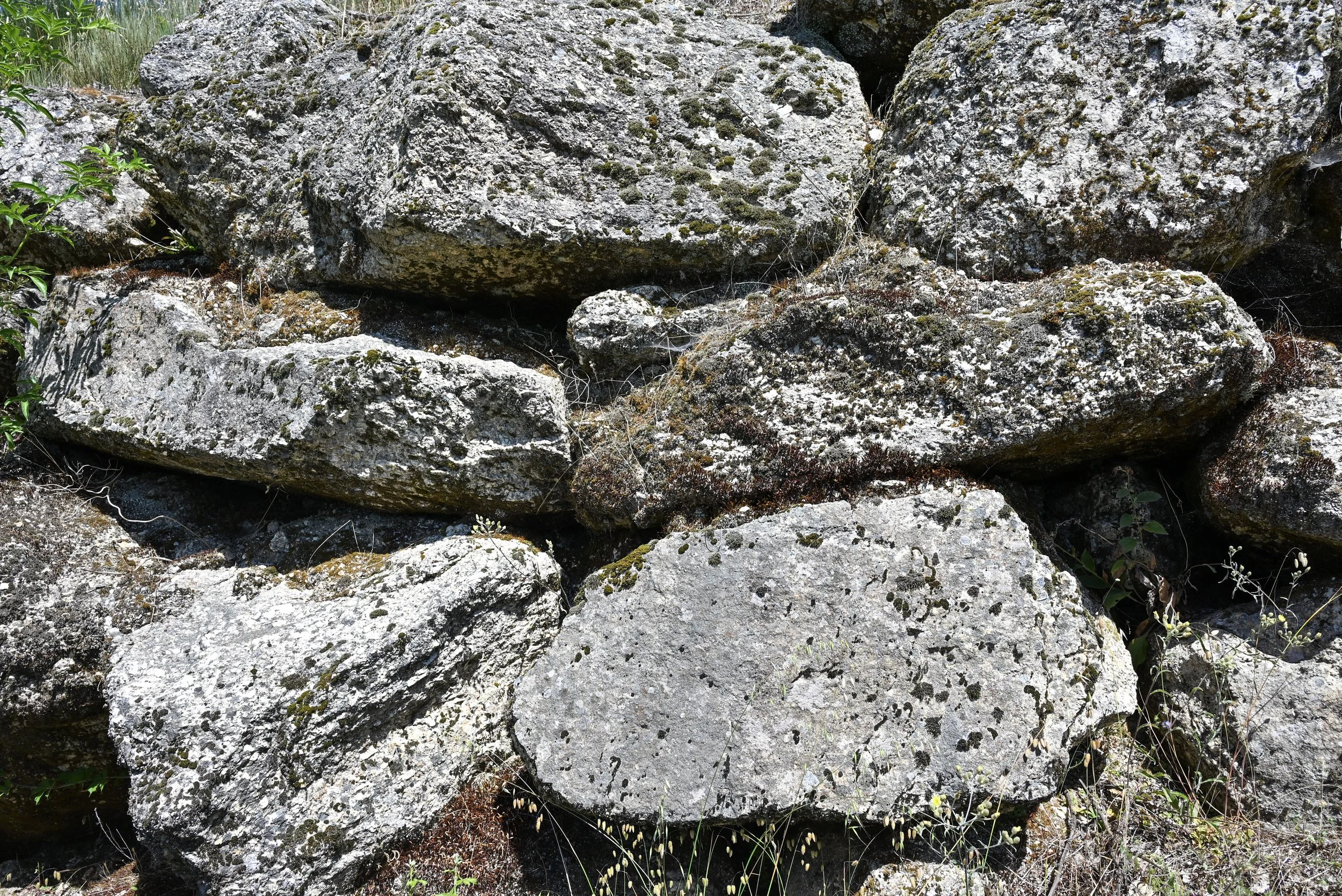
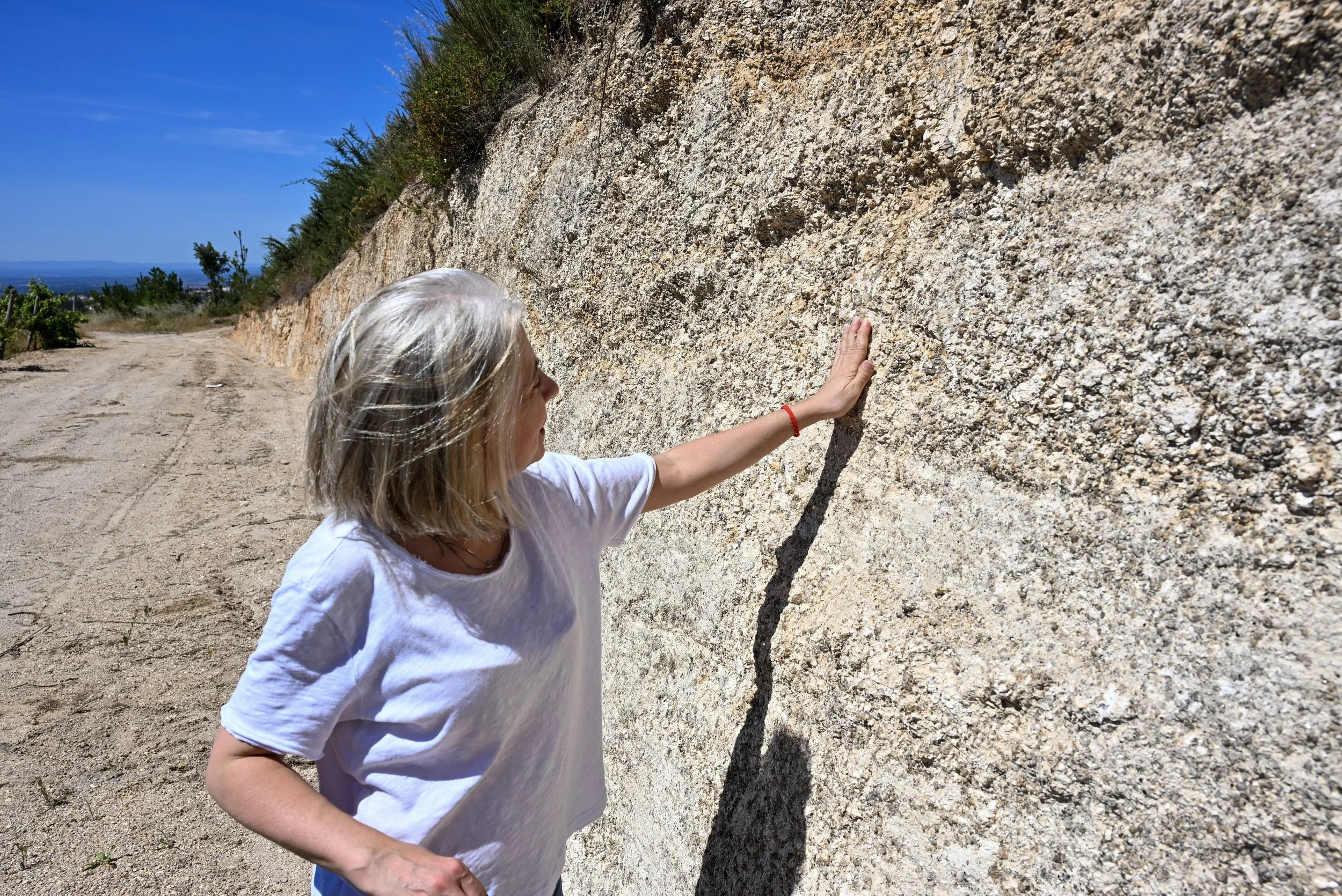
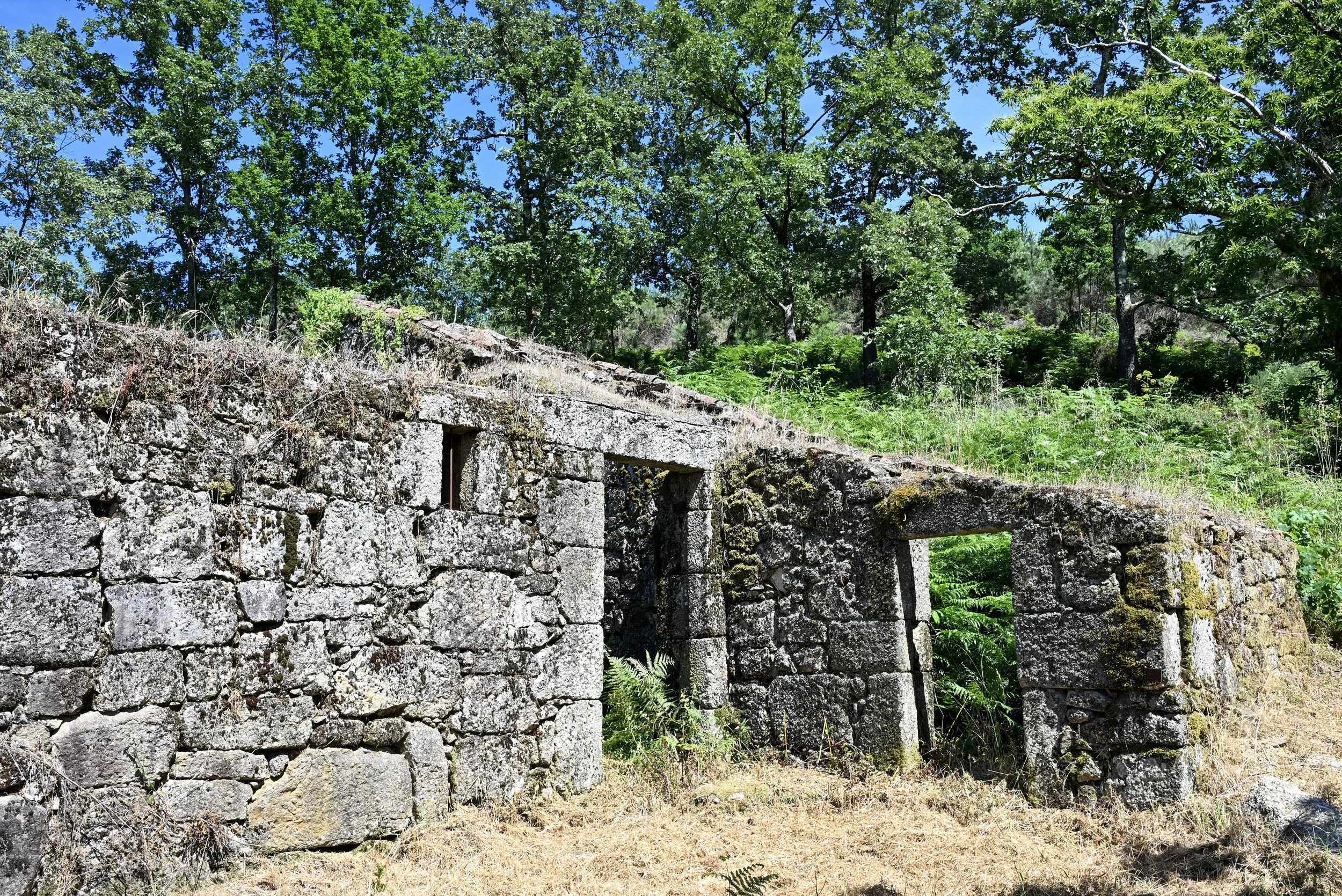
Decomposed granite approximately 300 million years old dominates the landscape, weathering into shallow, coarse soils punctuated by large, friable boulders. Sandy to silty-sandy in texture, the Dão’s soils have an acidic pH, with very little organic matter, low fertility, and limited water retention. This unique topography and soil, together with the high altitude and cool nights, form the primary growing conditions responsible for the region’s signature freshness and precision, aromatic complexity, and the fine mineral tension so characteristic of the Dão.
The Dão region comprises seven subregions: Alva, Besteiros, Castendo, Serra da Estrela, Silgueiros, Terras de Azurara, and Terras de Senhorim. Freire Lobo’s home in the remote Alva subregion is sparsely populated, with relatively few producers and the landscape dominated by rugged pasture land for sheep dotted with vines. Regarded as one of the cooler subregions, it is capable of exceptional whites and reds of considerable finesse. Proximity to the Alva River and the Serra da Estrela and Serra do Açor brings cold nights and the region’s greatest diurnal temperature variation. These conditions allow grapes to ripen with the nerve and muscle, balance, and elegance that make the wines so versatile at the table.

The Dão: From Stagnation to Rebirth
As in much of northern Portugal and Galicia, the Dão is historically a landscape of minifúndios, tiny holdings cultivated by families for their own consumption and for sale to cooperatives. During the Estado Novo dictatorship, the government restructured Portuguese agriculture following state mandates introduced in the 1940s and created a strict cooperative system that defined the Dão for nearly four decades.
The repressive António de Oliveira Salazar regime decreed that only state-sanctioned adegas cooperativas (cooperative wineries) could vinify and bottle Dão wine. Private estates and growers were prohibited from making their own wine and were legally required to sell their harvest directly to the cooperatives. Established in between 1954–1971, ten cooperatives gained a monopoly over the region’s winemaking which led to widespread stagnation, as growers were paid by weight for production, which led to poor quality and lower prices for grapes, contributing to worsening poverty in the countryside.
Finally, the cooperative monopoly was dismantled following Portugal's transition to democracy and its bid to join the European Economic Community in the late 1970s and 1980s, which prohibited anti-competitive monopolies. The modern wave of independent estate producers gathered momentum in the 1990s, bringing renewed attention to the character of individual sites. It was during this time period that Elisa Freire Lobo was apprenticing under the first wave of independent producers working and studying at Caves São João in Bairrada and with Anselmo Mendes in the Douro beginning in 1996. Her experiences informed all that was to come for Freire Lobo.
Today, small growers around the Serra da Estrela like Elisa Freire Lobo carry that work forward, combining inherited methods with contemporary knowledge and sustainable farming that incorporates the human and animal elements into life in the countryside. Elisa’s project belongs to this continuing effort to keep the mountains’ agricultural culture alive through the cheese and wines that express it.
Freire Lobo In the Vineyard
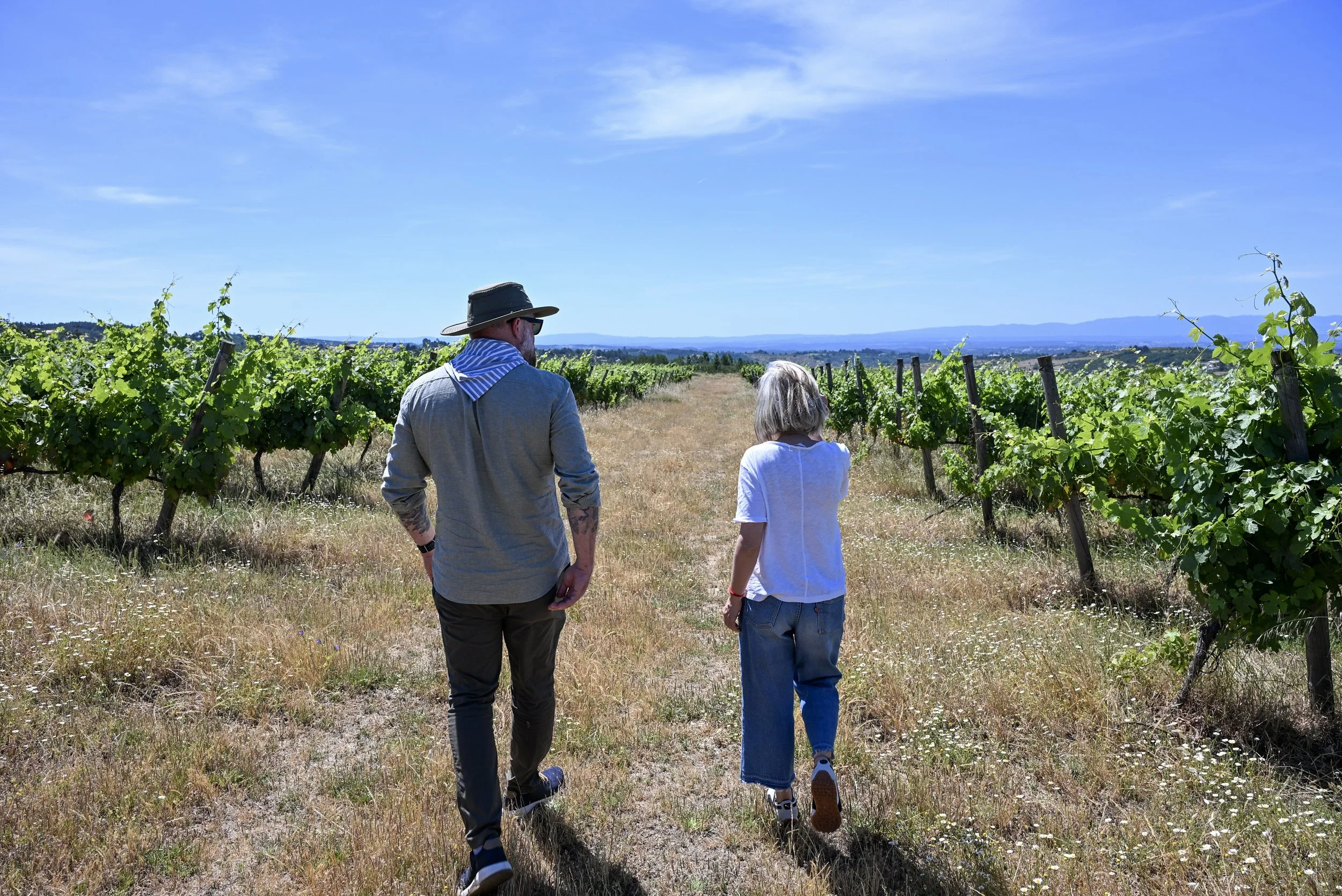
What moves us about Freire Lobo is the determination behind the beauty of the place. Since taking over in 2010, Elisa has worked to restore the health of the family vineyards through organic, sustainable, and regenerative principles, eliminating herbicides and treating soil, plants, and surrounding wildlife as parts of the same living farm. Preserving the Dão’s agricultural culture is inseparable from that work, as she strives to work in harmony with her landscape.
Her commitment to quality has also required persistence with people. Elisa prunes for low yields and reduces the crop when necessary to improve concentration, despite resistance from older male vineyard workers accustomed to prioritizing volume and high alcohol. For growers raised to see a full harvest as the measure of success, dropping fruit on the ground can be difficult to accept. She has remained firm in her conviction that the vineyard work must serve the quality of the wine.
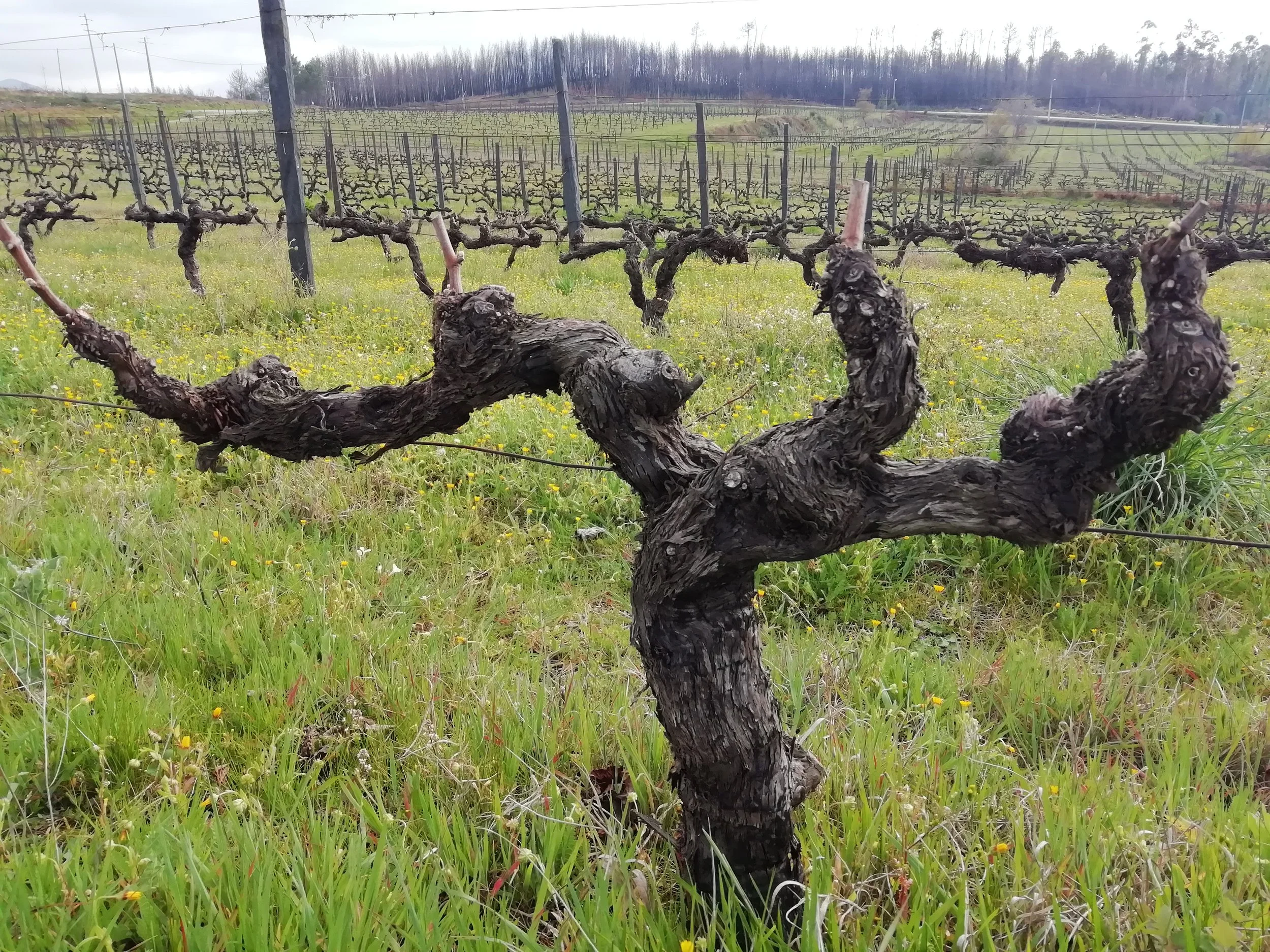
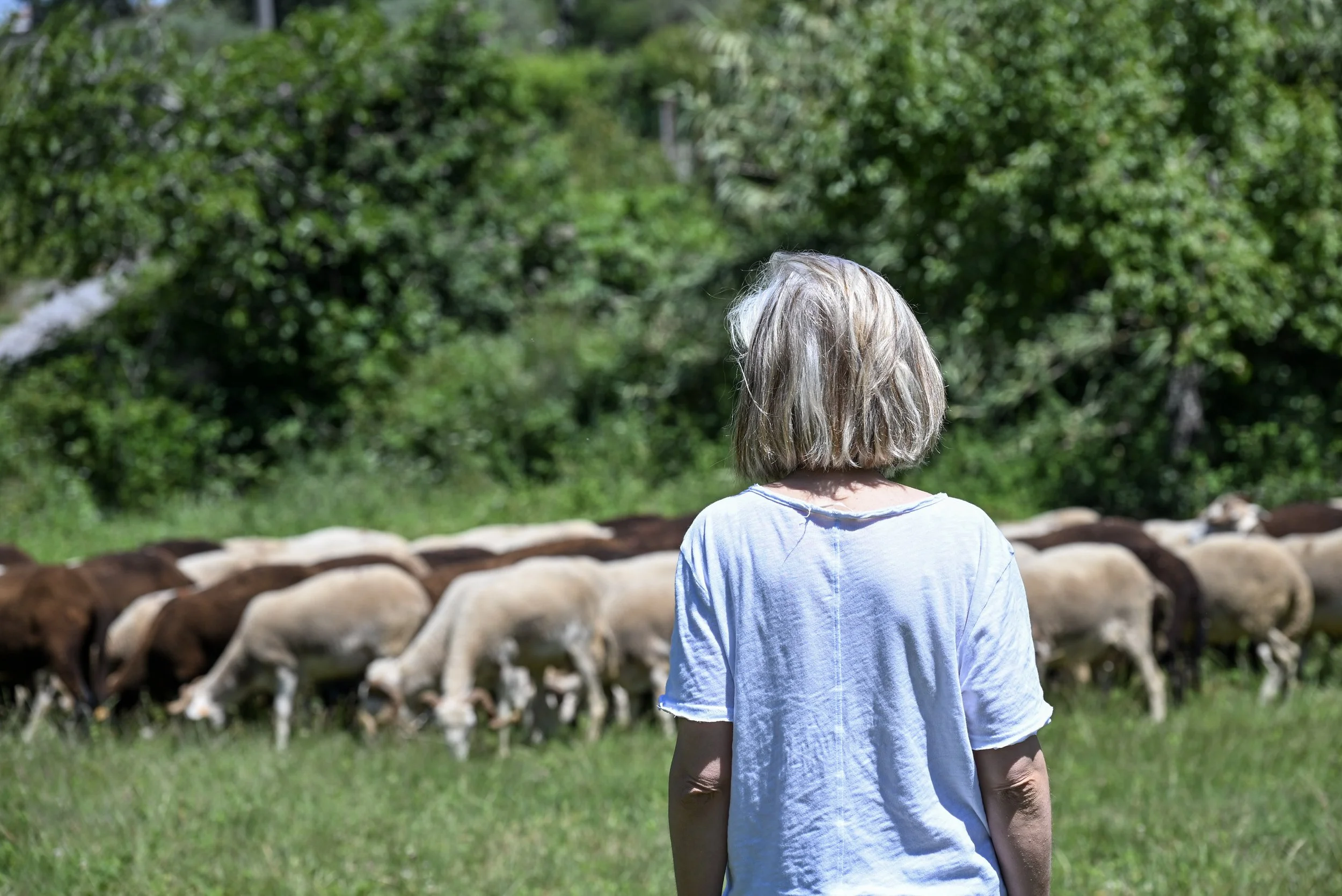
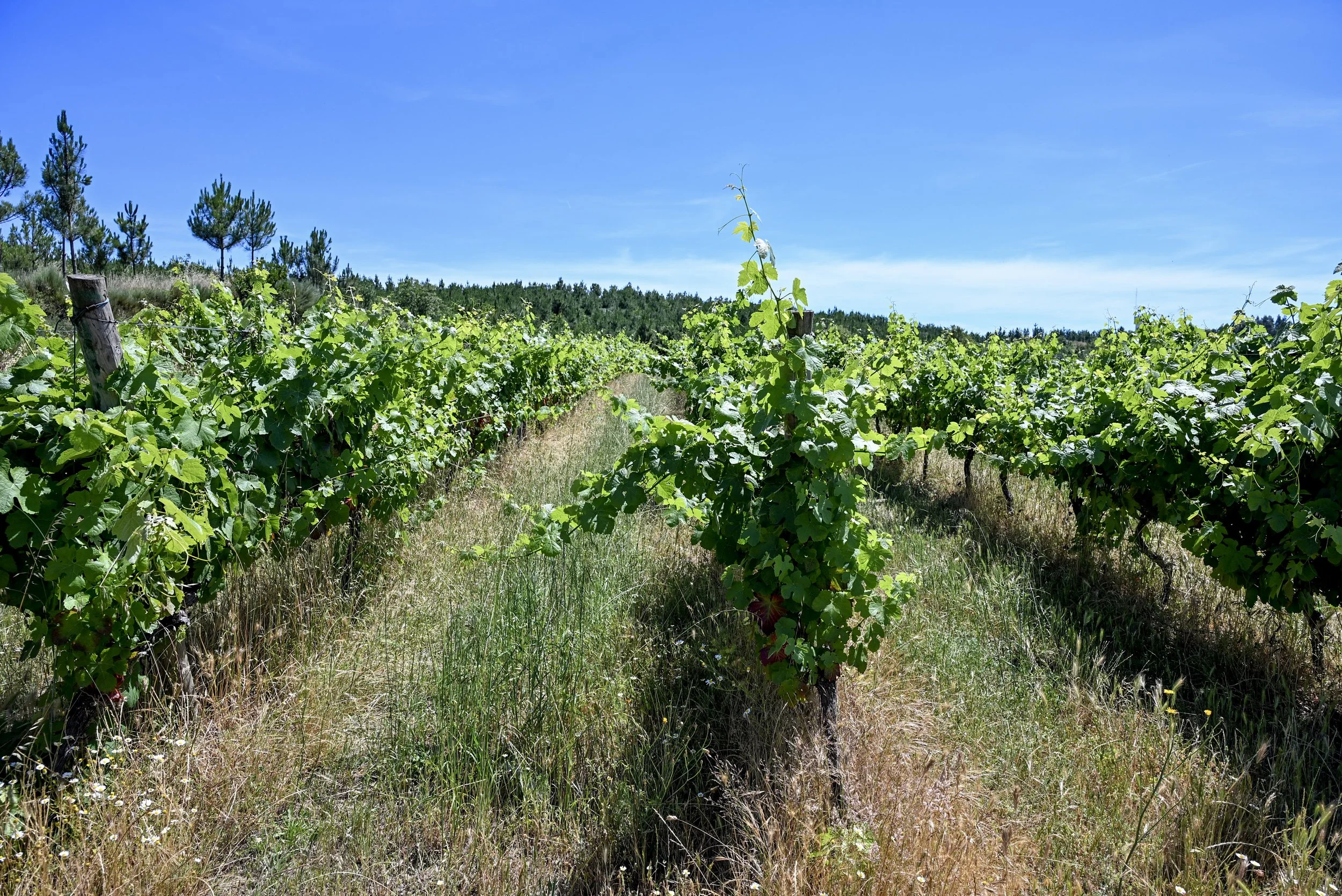
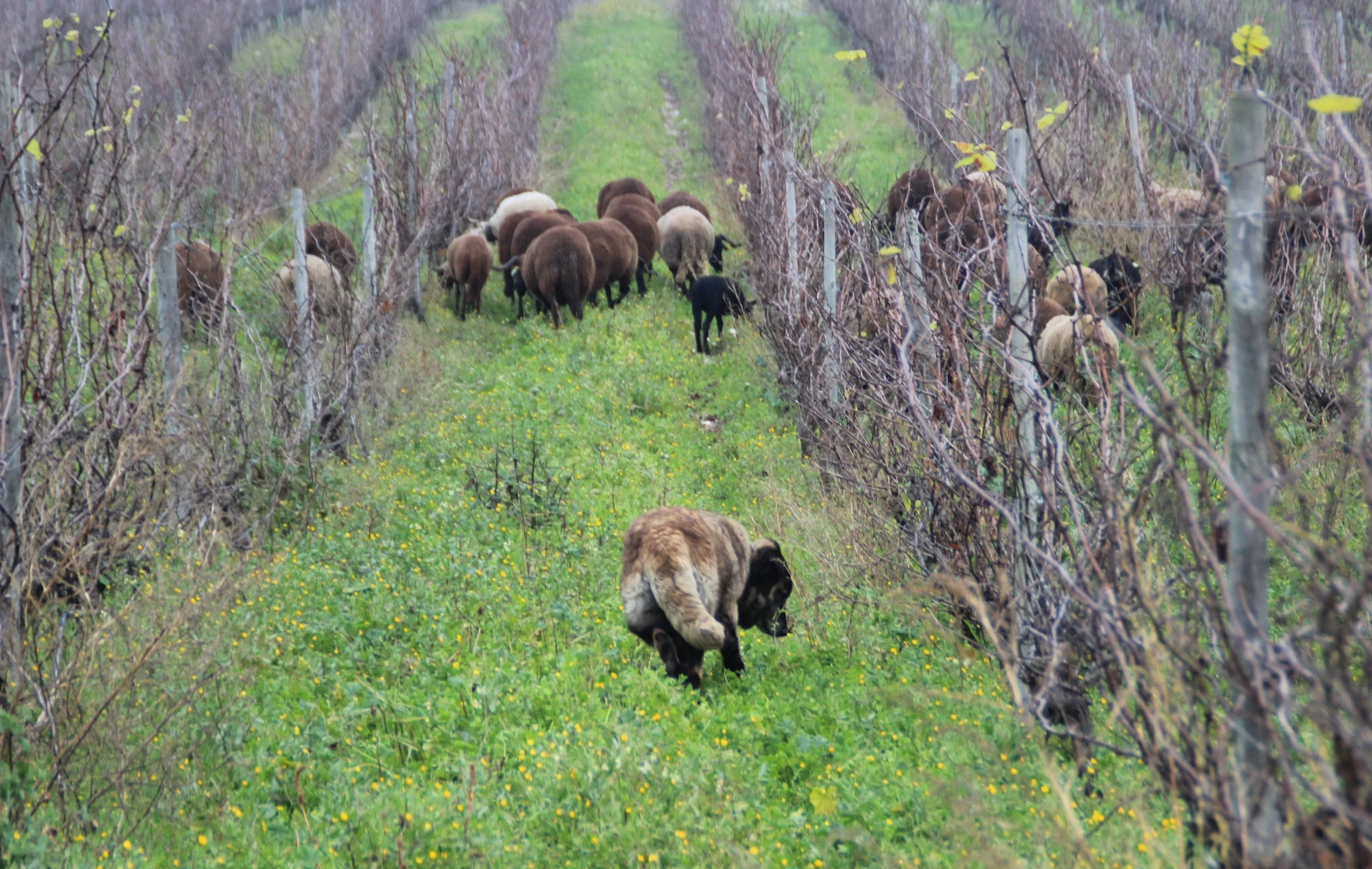
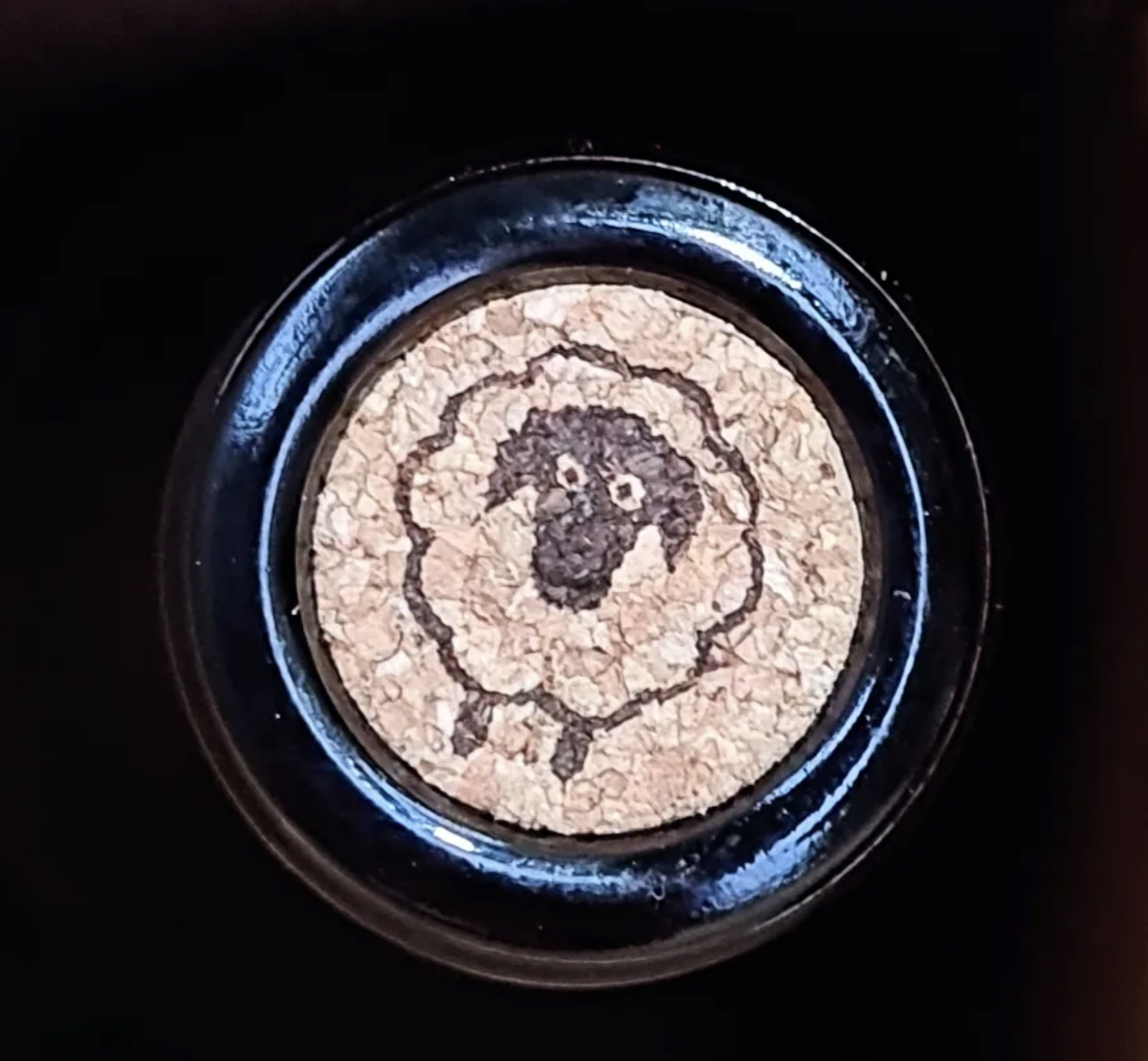
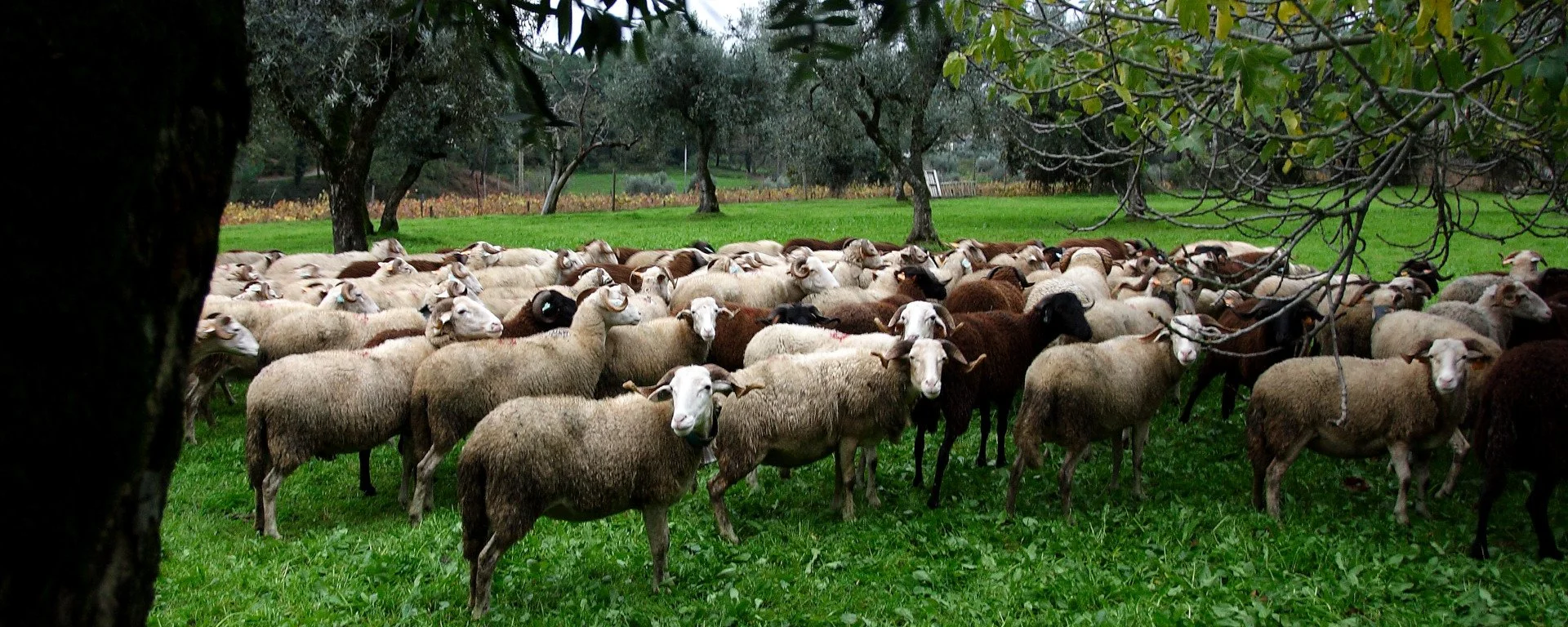
From November through February, the family’s native Bordaleira da Serra da Estrela sheep graze among the vines, controlling grass growth during the wet months and returning manure to the soil. Through spring and the rest of the growing season, grasses and legumes are planted or encouraged as cover crops, improving soil structure, fertility, and biodiversity while helping manage nutrients and the limited water available in these poor granitic soils.
Portugal’s devastating wildfires of 2017 interrupted this patient work, destroying a significant part of the vineyards and countryside, including old vines that had belonged to the family for generations. Elisa describes both the loss and the thinking that guided the recovery:
“The 2017 wildfires were a major setback for the project. A significant part of the vineyards was lost, including some of the old vines that had been part of the family for generations. Rebuilding the vineyards was a long process, but it also gave us the opportunity to rethink some aspects of the project and how we work with the land.
As we replanted, we also rethought the way our vineyards were organized. Rather than dedicating entire plots to a single grape variety, we began planting several varieties within the same vineyard, arranged in clearly identified rows (this approach draws inspiration from the traditional mixed vineyards of Dao, where different varieties grew side by side) while allowing us to work with each variety individually. The aim is to bring greater diversity back into the vineyard and to see it as a living, interconnected system rather than simply a collection of individual grape varieties.
Today, we work exclusively with Portuguese grape varieties, the wines reflect the diversity of Dão, from fresh, mineral whites to elegant reds, alongside more experimental wines that allow me to explore different expressions of the grapes and the region.”
In 2018, beehives were introduced throughout the vineyards to help rebuild the ecosystem and support pollination among the surrounding flowering plants. The mountain’s varied flora also makes this a special place for honey: heather, rosemary, thyme, and other wildflowers give it an intense flavor and distinctive aromatic nuances.
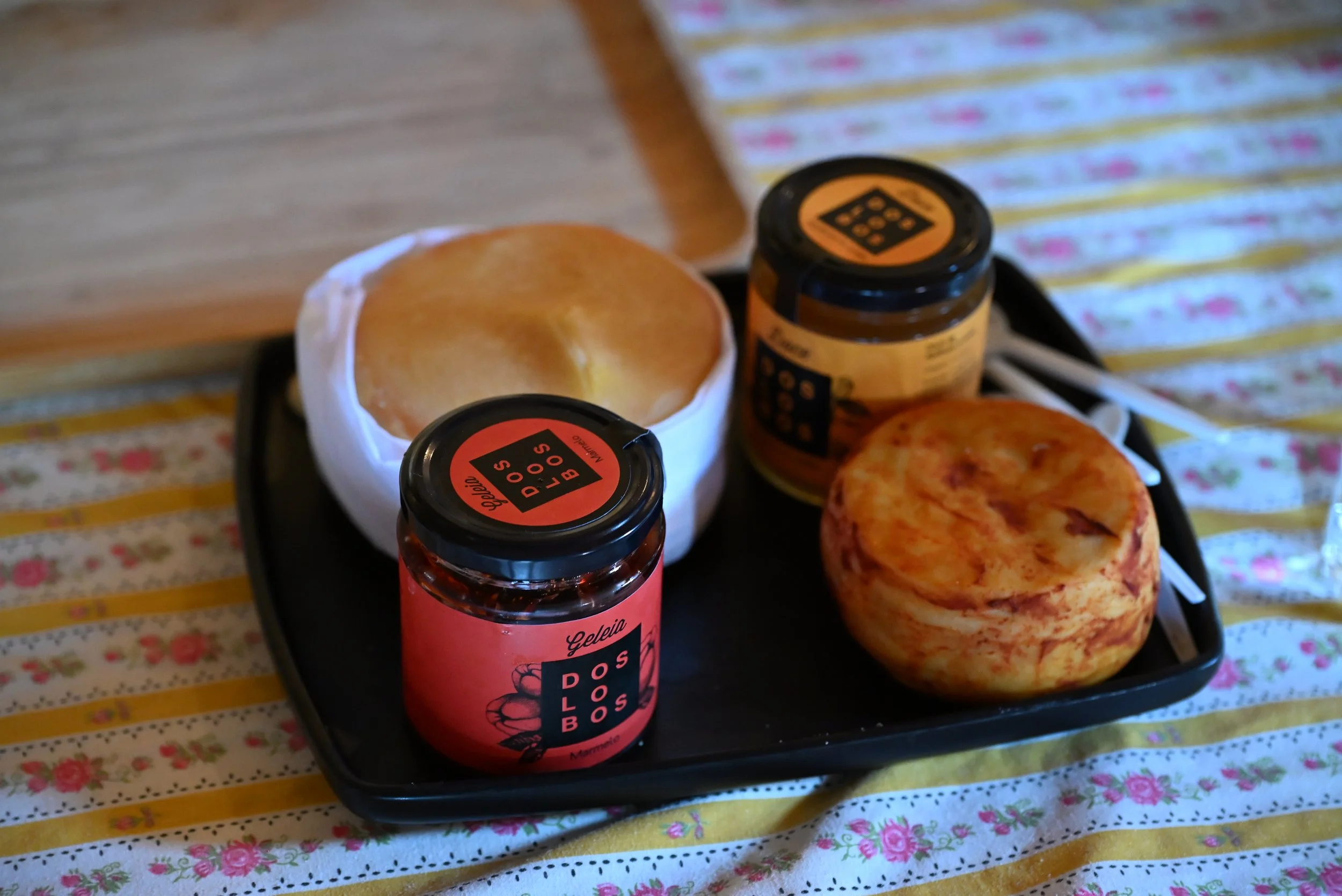
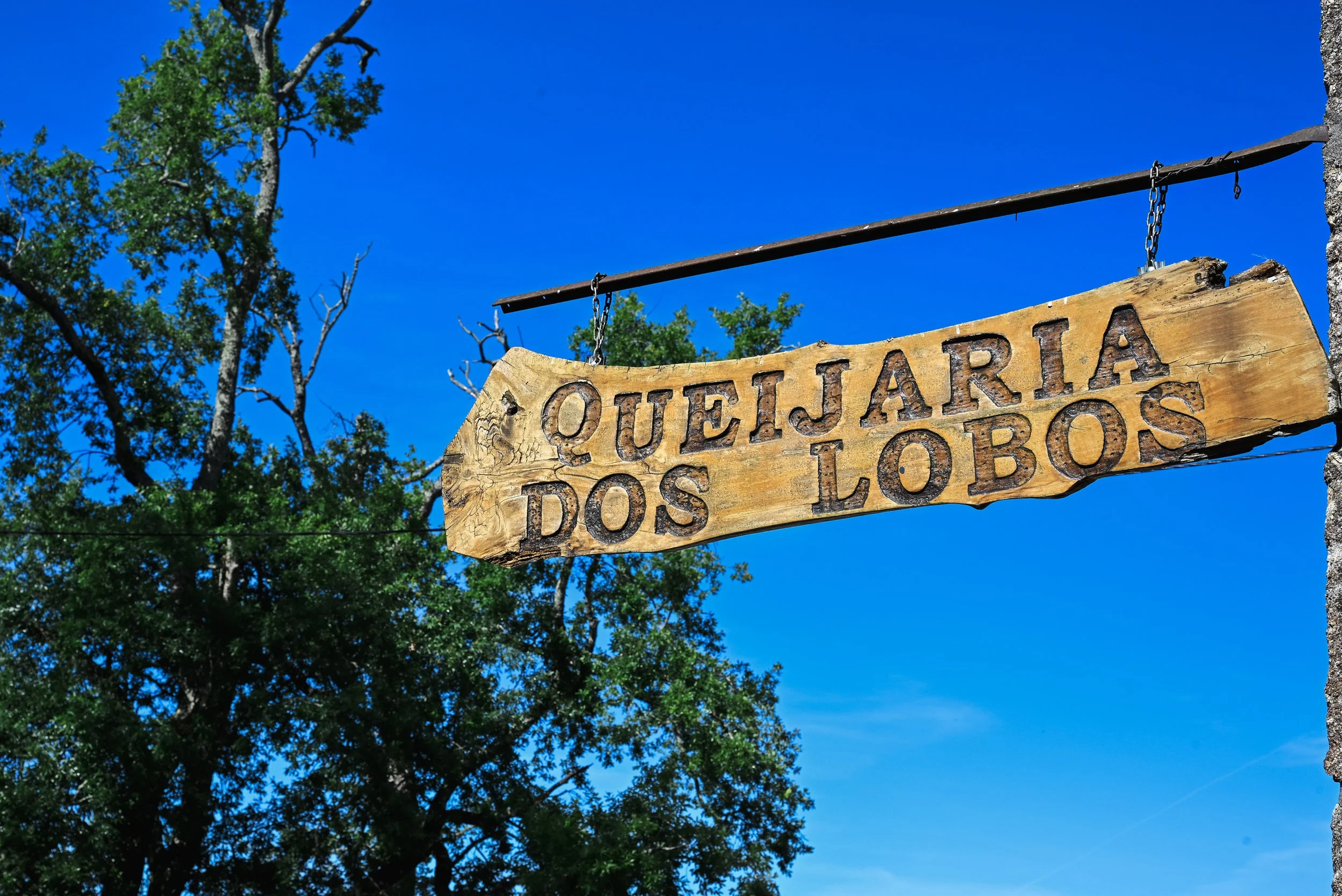
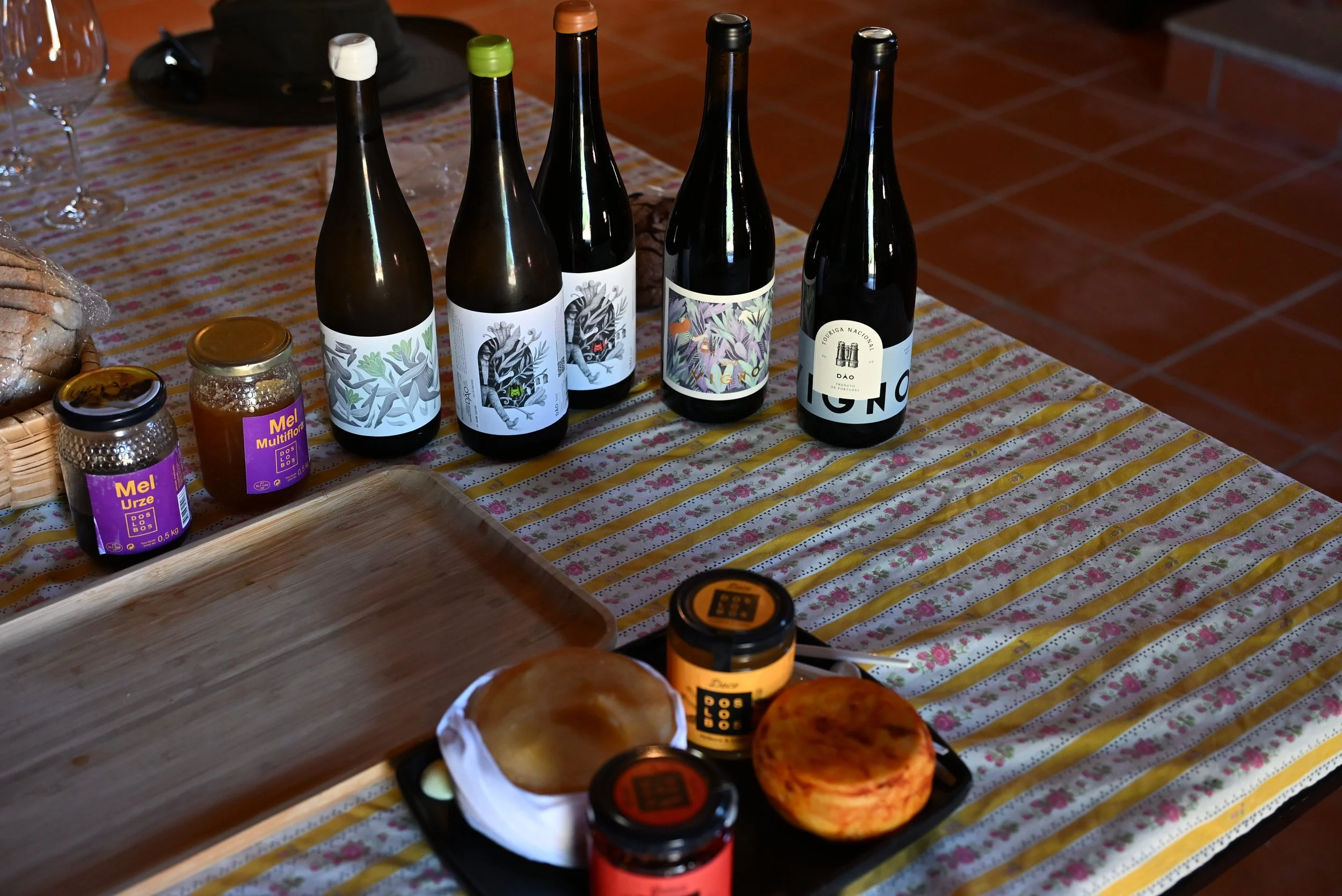
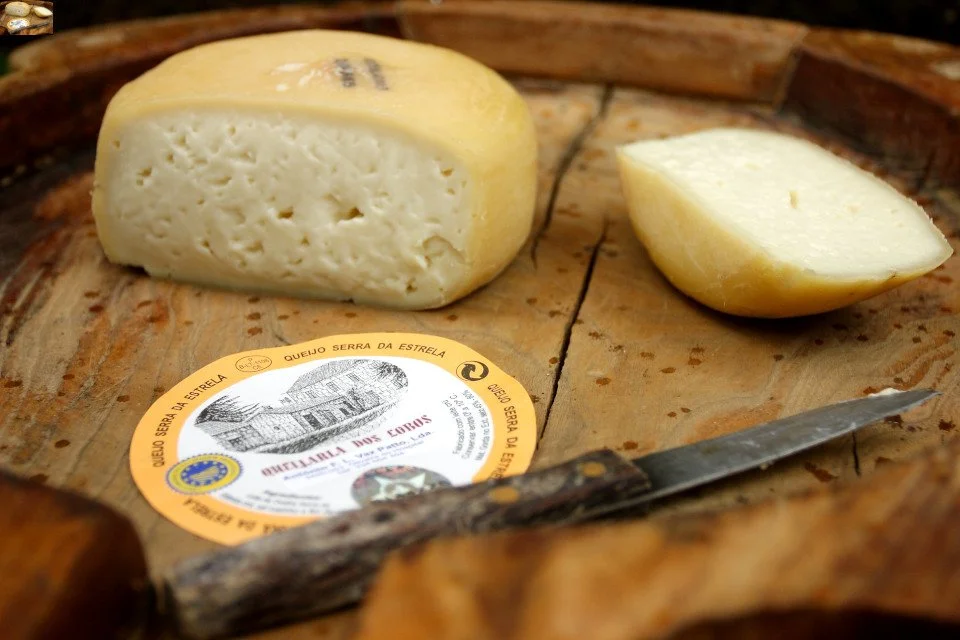
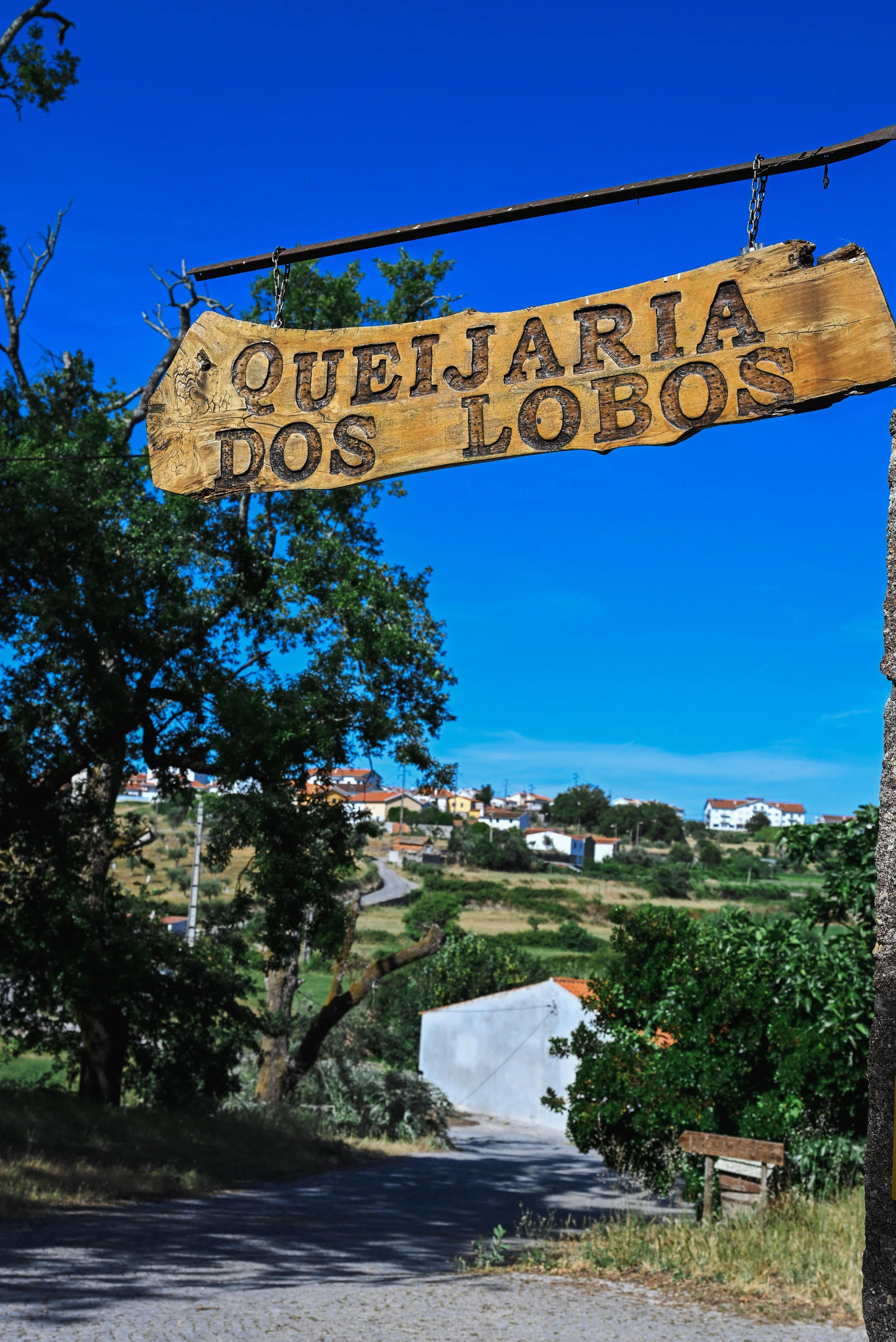
The sheep connect the vineyards to another part of Elisa’s daily work. She also runs the family’s Queijaria Dos Lobos, which produces Serra da Estrela DOP cheese from the milk of their Bordaleira flock. Queijaria Dos Lobos are among the region’s finest cheesemakers, and the cheese is a beautiful partner for Freire Lobo’s traditional wines. Honey, olive oil, fruit preserves, and other local products complete the offerings of a family farm that makes use of the abundance around it.
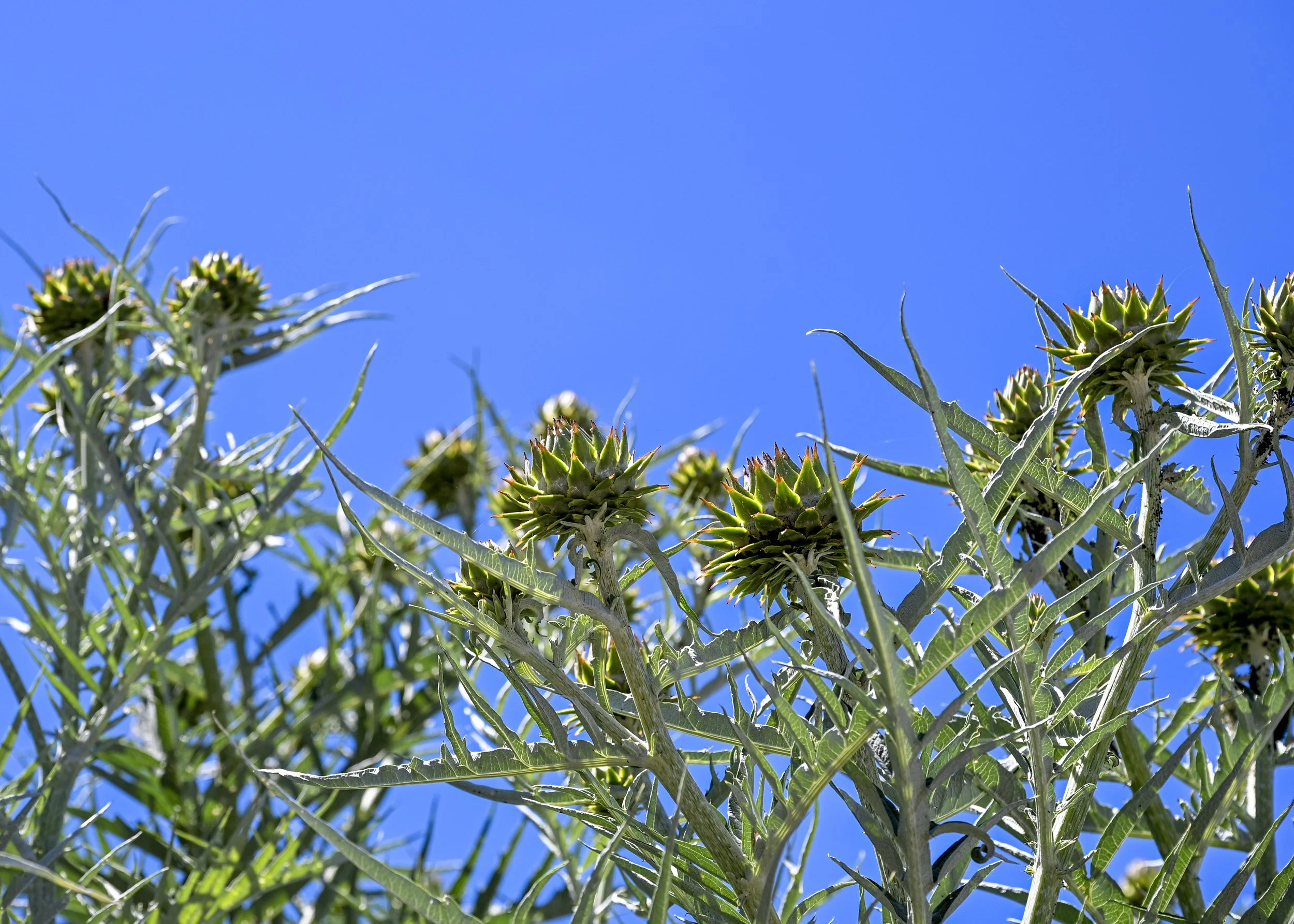
Serra da Estrela is Portugal’s iconic mountain cheese, made under strict regional specifications in a tradition dating to the 12th century. At Queijaria Dos Lobos, raw Bordaleira sheep’s milk is combined with sea salt and vegetable rennet extracted from thistle flowers, without industrial enzymes or additives. Beneath a thin natural rind, the smooth, uniform paste ranges from pale yellow to straw. Young wheels are soft, creamy, and sometimes almost spoonable, becoming more structured with maturation while retaining a supple texture and the intense flavor for which the cheese is known.
Sheep farming has sustained the mountain economy and culture for generations, but of equal importance is the environmental contribution of traditional agricultural life to the sustainability of country life. Traditional animal grazing controls undergrowth and helps reduce the vegetation around trees that fuel wildfires, while shepherds preserve practical knowledge of the land and its rhythms. At Freire Lobo, those relationships remain part of everyday agricultural life: the same flock nourishes the forests and vineyards and provides the milk for the family’s cheese.
Biodiversity: Grape Varieties of the Dão
Portugal’s more than 250 native grape varieties give its wines extraordinary scope for individuality. In the Dão, approximately 80 percent of production is red, led by Touriga Nacional, Jaen, Tinta Roriz, and Alfrocheiro, alongside varieties such as Tinta Pinheira and Baga, known locally as Poeirinha. These traditional grapes, grown on the region’s granitic soils, can produce firm, structured wines with naturally high acidity.
Historically, red and white grapes were often interplanted for clarete, a light-bodied wine somewhere between dark rosé and a light red, well suited to drinking with a chill. Its name derives from the Latin clarus, meaning clear, and shares roots with the British term “claret” for the lighter Bordeaux reds of the past. An approximately 80:20 balance of red and white grapes characterized these traditional mixed plantings.
Freire Lobo preserves that biodiversity in its vineyards. The co-planted native red varieties include Touriga Nacional, Alfrocheiro, Tinta Roriz, Jaen, Alvarelhão, Baga, Bastardo, Tinto Cão, and Tinta Pinheira.
Touriga Nacional: Believed to have originated in the Dão, Touriga Nacional is the region’s leading red variety, with some of Portugal’s finest plantings. Small bunches of thick-skinned berries, a medium ripening period, and naturally low yields produce concentrated, dark-purple wines. Aromatics range from violets and rose petals to bergamot, while the Dão’s cool, temperate setting gives the fruit a soft, juicy expression.
Alfrocheiro: Alfrocheiro combines deep color and generous texture with freshness and long, fine-grained tannins. Its expressive aromas encompass cherries, blackberries, ripe strawberries, flowers, and spice. Alongside Touriga Nacional’s intensity, it brings seduction and finesse, juicy acidity, and a particularly clear expression of the region’s mineral character. It buds and ripens early, producing small, compact bunches of small, thin-skinned berries. It is believed to have genetic links to Albarín Negro and Carrasquín in Asturias and Prieto Picudo in León.
Tinta Roriz: Also known as Aragonez or Tempranillo, Tinta Roriz contributes structure and aging potential to Dão blends, with cherry and plum fruit, good acidity, refined tannins, and subtle spice.
Jaen: The same variety as Spain’s Mencía, Jaen is thought to have reached the Dão with pilgrims returning from Santiago de Compostela. Its expression here differs from that of Bierzo, combining ripe, full-bodied fruit with red-fruit and floral aromas, a fine texture, and the finesse that complements Touriga Nacional and Alfrocheiro.
Alvarelhão: Also known as Brancelho or Brancellao, this ancient variety is grown in the Dão, Douro, and Vinho Verde. DNA studies suggest a close genetic relationship with Sercial. It buds in midseason and ripens early, forming medium-sized, fairly loose bunches of medium-sized, relatively thin-skinned berries. High acidity and medium-high alcohol support aromatic, light-bodied wines with strawberries, raspberries, and exotic spice. At their best, they are ethereal and juicy.
Tinta Pinheira: Also known as Rufete, this variety likely originated in inland Portugal’s Beira Baixa, where it was cultivated by the late 18th century. Medium-sized bunches and large berries give very high productivity, very low potential alcohol, and excellent acidity. Fully ripe fruit yields vivid red-fruit flavors, balsamic herbs, spice, and pronounced mineral character, with a fluid yet tense body and grippy tannins. It has considerable potential and is especially good with grilled meats.
Baga: Genetic studies point to an origin in the Dão, within the Beiras, although Baga is now most closely associated with neighboring Bairrada. Vigorous, productive, and late-ripening, it forms long, compact bunches of small, thick-skinned berries. It is a demanding variety, capable of great, ageworthy wines when site and season allow full ripeness. In the Dão, its structure can be accompanied by particular aromatic lift and elegance.
Bastardo: The same variety as Trousseau, also known as Merenzao or Verdejo Negro, Bastardo was favored in the Douro and Dão before phylloxera and often planted alongside Alvarelhão. With moderate vigor and midseason budbreak, it flowers early and ripens very early, producing relatively small bunches of small berries that accumulate considerable sugar but tend toward low acidity. It is robust enough to withstand extended dry periods. The wines can be transparent garnet or ruby in color, light to medium in body, and highly perfumed, with red fruit, floral aromas, low to moderate fine-grained tannins, and haunting mineral length. At their best, they retain a lively freshness.
Tinto Cão: Recorded in northern Portugal since the 17th century and considered by some to be among the region’s oldest varieties, Tinto Cão belongs to the traditions of both the Douro and Dão and is one of the five principal Port grapes. Late-ripening and exceptionally low-yielding, it has thick skins that provide color and tannin while helping protect the fruit from mildew and rot. When fully ripe, it balances sugar and acidity with firm, ripe tannins, producing floral, dense, structured wines capable of long aging. It is often blended with Touriga Nacional and Aragonez.
The native white varieties co-planted in Freire Lobo’s vineyards include Encruzado, Bical, Cerceal-Branco, Uva-Cão, Fernão Pires, Malvasia Fina, and Barcelo.
Encruzado: The Dão’s leading white grape, cultivated predominantly within the region, produces full-bodied wines with a full-flavored, strong palate presence and considerable elegance. Altitude and granitic soils provide the setting for whites of depth, freshness, and persistence, with vegetal, floral, and mineral notes, aromatic complexity, and exceptional aging potential.
Bical: An early-ripening variety that, when harvested at the right moment, produces citrus-colored wines with complex fruit aromas, good alcohol, and relatively low acidity. The wines are fine, dry in style, and elegant.
Cerceal Branco: Late-ripening and usually blended, Cerceal Branco takes on a distinctive expression in the Dão, combining intense yet delicate fruit aromas with the marked acidity that brings energy to the palate.
Uva-Cão: One of the Dão’s latest-ripening and least productive varieties, Uva-Cão combines good alcohol with the acidity needed for long bottle development. It contributes body, admirable freshness, finesse, and elegance, lending delicacy and balance to blends.
Fernão Pires: Also known as Maria Gomes, this versatile, intensely aromatic variety gives medium-bodied wines with lime, lemon, tangerine, orange, rose, and other floral notes.
Malvasia Fina: An old variety thought to originate in the Douro or Dão, also known as Boal and, in some contexts, Torrontés. Its best wines are fruity, perfumed, elegant, and age-worthy, developing aromatic complexity with suggestions of molasses, beeswax, nutmeg, and smoke. The Serra da Estrela produces especially delicate, sophisticated examples, traditionally included in classic Dão white blends.
Barcelo: A rare component of Dão white blends, Barcelo produces fruity, fresh, perfumed, well-balanced wines that can recall Encruzado, generally with lower alcohol, bringing delicacy and balance to blends.
Freire Lobo Cellar Philosophy
“In the cellar, we follow the same philosophy as in the vineyard: intervening as little as possible and allowing the grapes to express their own character. Indigenous yeasts, careful handling and a restrained use of oak are part of this approach.”
Elisa’s work in the cellar begins with the care invested in the vineyards throughout the year. The goal of the winery is to respect the great work done throughout the year in the vineyards by using a light touch in the winery and intervening as little as possible to let the natural character of the fruit express the Dão terroir.
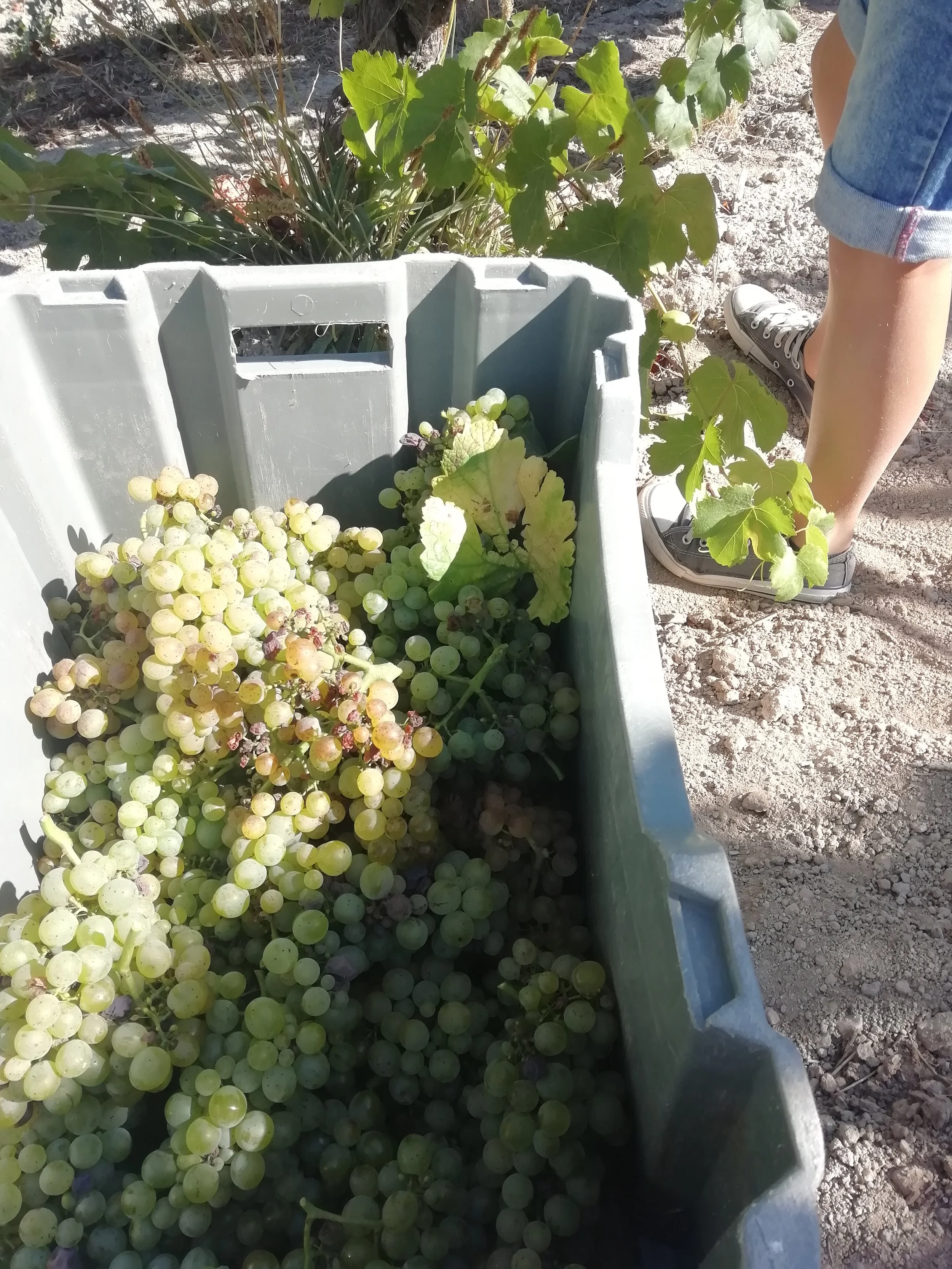
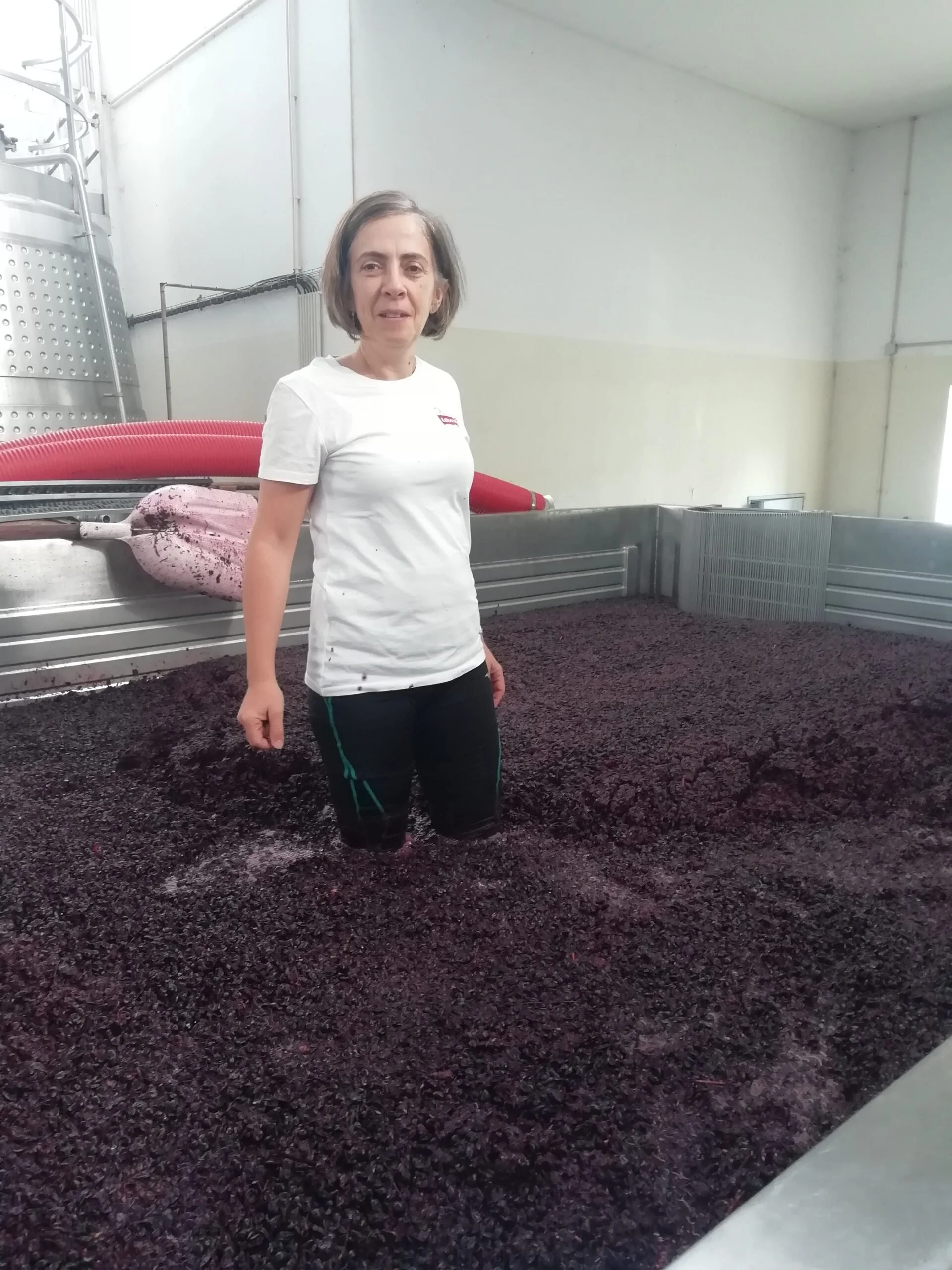
All grapes are harvested by hand, with strict selection in the vineyard, and fermentations begin spontaneously with indigenous yeasts. Traditional practices such as foot-treading in lagares and co-fermentation, alongside concrete aging and restrained use of oak, allow her to preserve the fruit’s purity and the freshness of its origin. Her light touch gives the wines the elegance and distinctive Dão character that often invite comparisons with Burgundy.
In the Bottle
The range is organized around three broad tiers, moving from the immediate pleasure of the Vigno range through the complexity of the Terroir Blends to limited bottlings of Individual Varieties from the oldest vineyards. Throughout, there is depth and clear fruit expression, but also an ease and versatility at the table that makes Freire Lobo wines an absolute pleasure to drink.
The Vigno Range
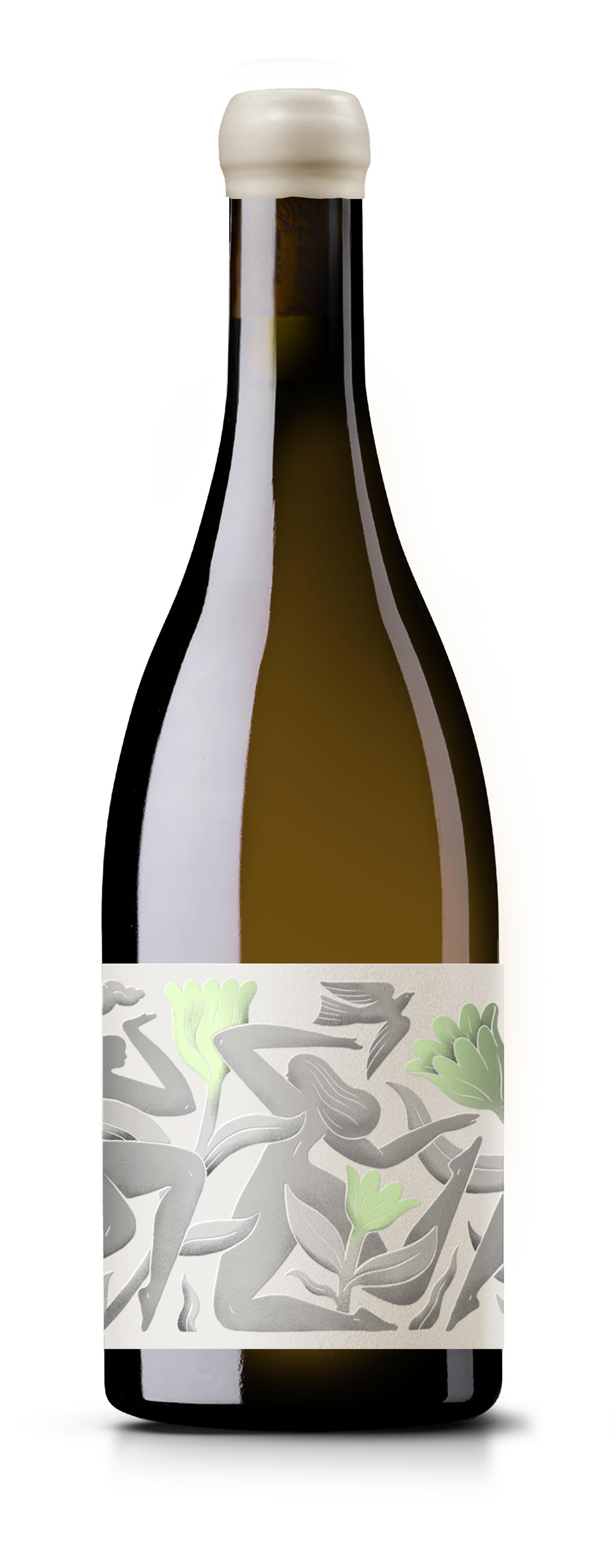
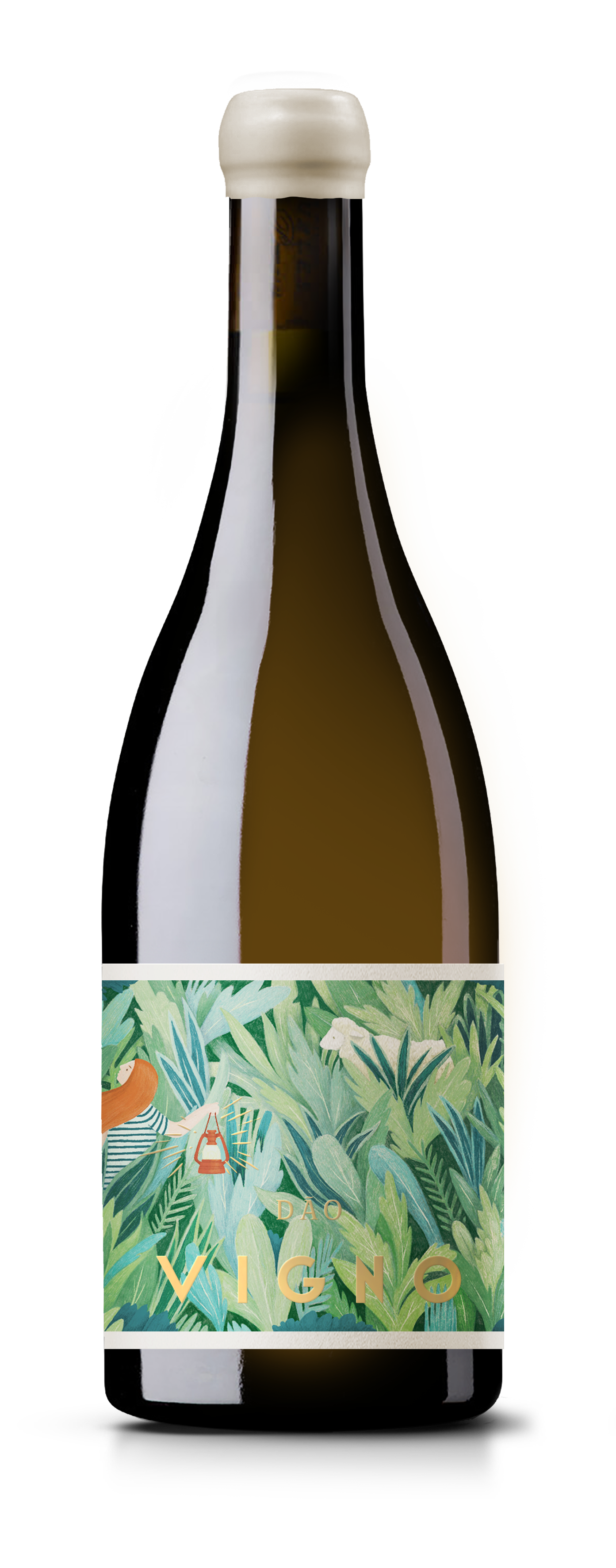
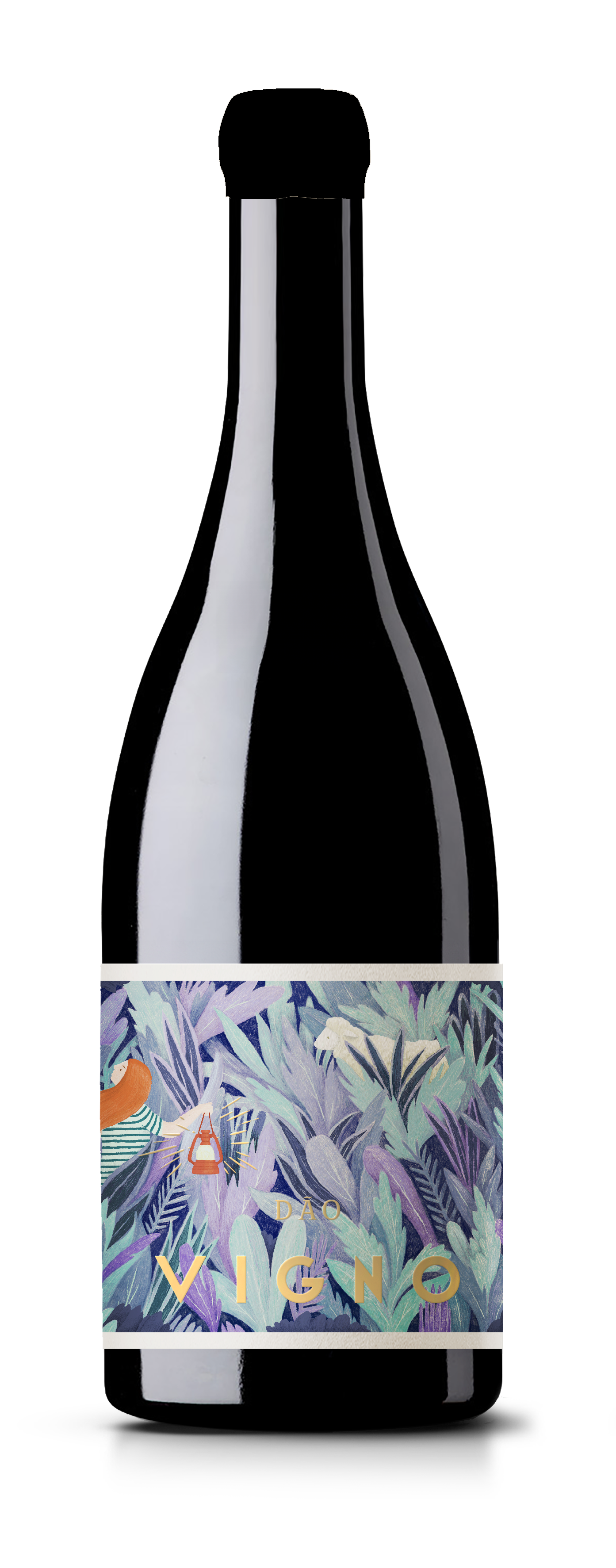
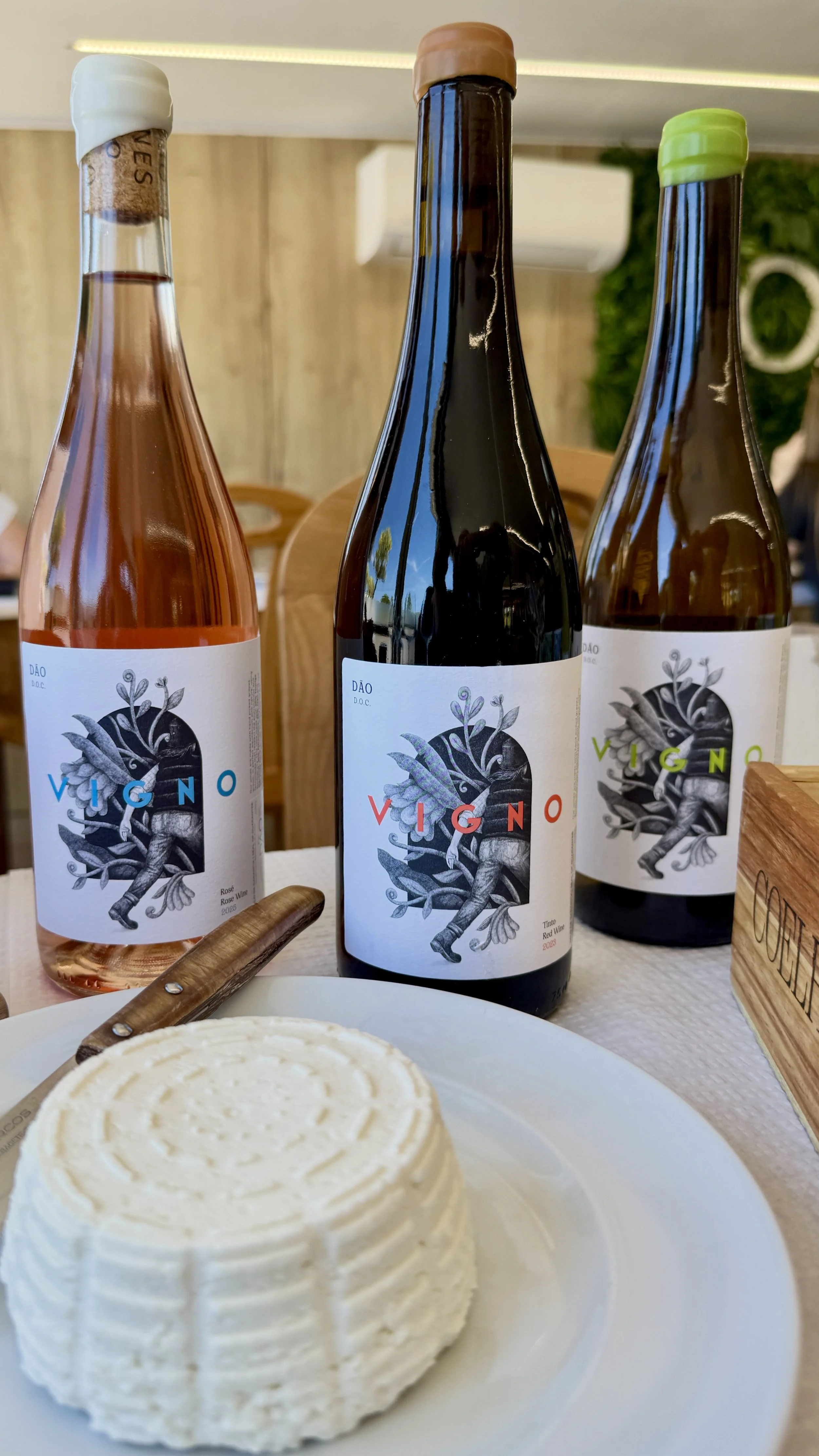
Vigno Branco, Rosé, and Tinto are co-fermentations of traditional varieties from younger vines, fermented in stainless steel tanks and aged in cement vats. Focussed on freshness and drinkability, they receive the same care that defines the entire project and offer some of the strongest values in the market.
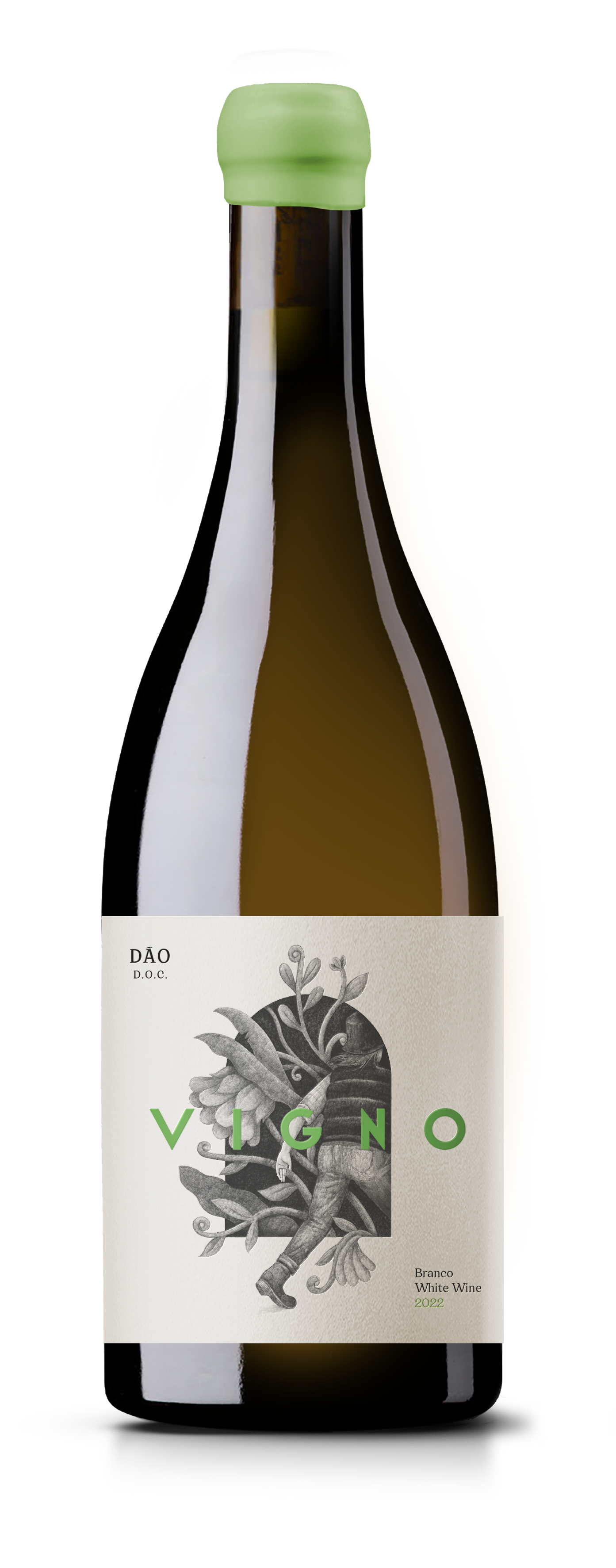
Vigno Branco: Encruzado, Bical, and Cerceal-Branco. A generous, gastronomic white that expresses the richness of its terroir with delicacy. A gentle skin maceration contributes subtle texture.
Vigno Rosé: Touriga Nacional, Alfrocheiro, Jaen, and Tinta Roriz. Tart cherries and watermelon rind give this pink wine its vivid, refreshing appeal. It is one of the most delicious rosés we know.
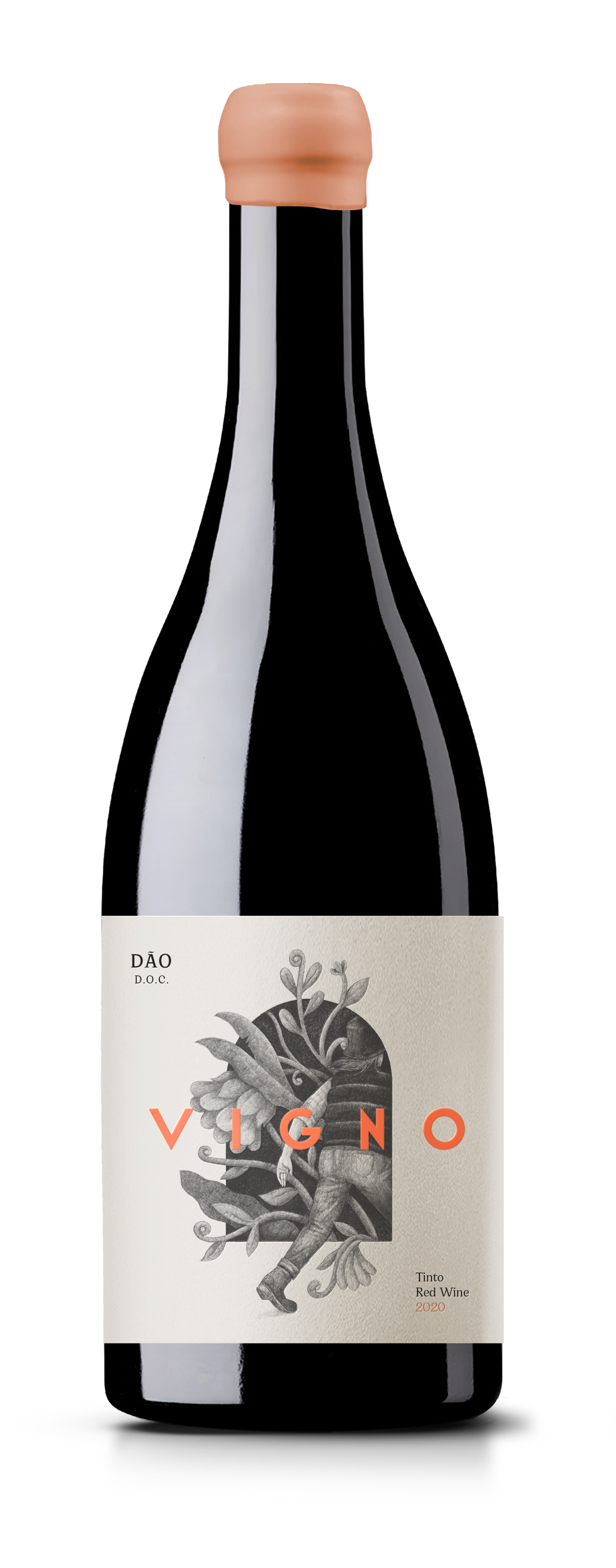
Vigno Tinto: Touriga Nacional, Alfrocheiro, Tinta Roriz, and Jaen come together in a harmonious, soulful expression of the Dão, with balance and sophistication.
The Terroir Blends
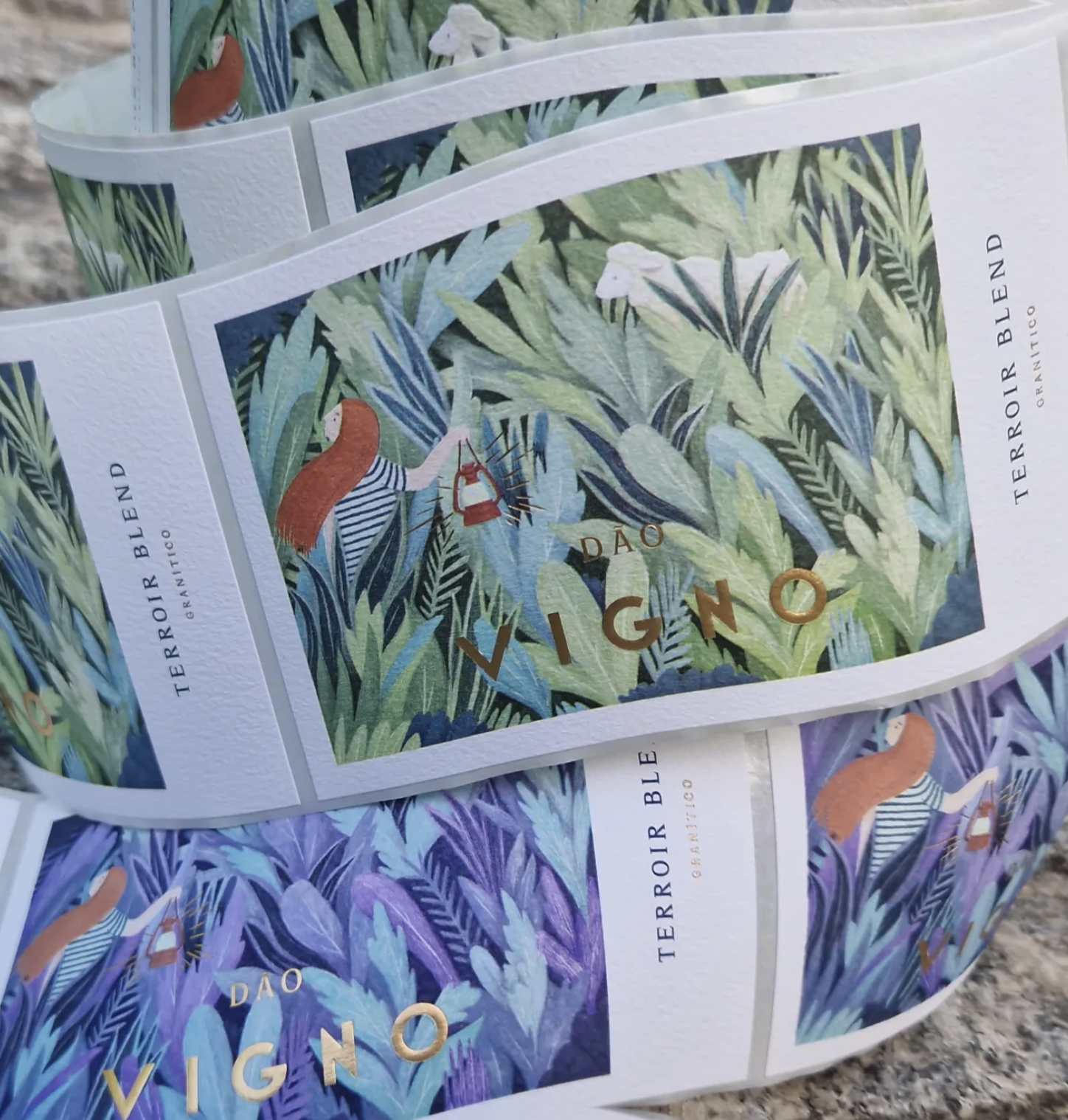
The Terroir blends explore older vines through co-fermentation in larger, used French oak barrels, seeking complexity, elegance, and grace. For us, their quality recalls fine village and premier cru Burgundy.
Vigno Terroir Branco: Encruzado, Bical, Cerceal, Barcelo, Fernão Pires, and Malvasia Fina. Fresh and balanced, with a silky texture and a lively citrus finish, it expresses the character and elegance of the Dão’s traditional white grapes.
Vigno Terroir Blend Tinto: From a vineyard more than 60 years old, a blend of Touriga Nacional, Alfrocheiro, Jaen, Baga, Bastardo, Tinto Cão, Alvarelhão, and Rufete. Intense and complex, with a firm structure, fresh acidity, and a long, elegant finish, it brings the diversity of the old mixed vineyard into a single wine.
Sardanita Branco Pelicular: A newly-released white made with 15 days of skin contact, from Encruzado, Bical, Cerceal-Branco, and Malvasia Fina. It explores the richness and complexity of the Dão’s finest whites through a different texture and expression.
Individual Variety Wines
At the top of the range, Elisa bottles individual expressions of the Dão’s leading grapes from the farm’s oldest vineyards, each made in very limited quantities.
Encruzado Branco: 100% Encruzado, the Dão’s great white variety. Pronounced minerality and aromatic complexity are framed by subtle wood notes that unfold in the glass. An elegant wine with considerable personality, it demonstrates the full potential of the region’s whites.
Touriga Nacional Tinto: An expression of one of Portugal’s most prized varieties, combining intensity and elegance with black and wild fruits and the fresh violet perfume so characteristic of Touriga Nacional in the Dão.
The Connection
We admire Elisa for the resolve she brings to Freire Lobo. She has built this project through years of vineyard work, difficult decisions, and the determination to begin again against the odds after devastating loss to wildfires. The old vines and new mixed plantings, the sheep and cheese, the bees and flowering ground cover all belong to the same effort: to sustain a working family farm and carry the character of the Dão forward. Her independence and curiosity give these inherited traditions a distinctly personal expression. That combination of conviction and care is what draws us to Elisa, and it comes through in wines that reward close attention while remaining joyful, generous, and easy to share. We are proud to represent her and bring these authentic wines to your table.