JAG Viticultor • José Ant. García
Valtuille de Abajo • Bierzo • León
Location:  León, Spain
Village: Valtuille de Abajo
Appellation: Bierzo
Climate: Continental with strong Atlantic influence
Elevation: 500m to 980m
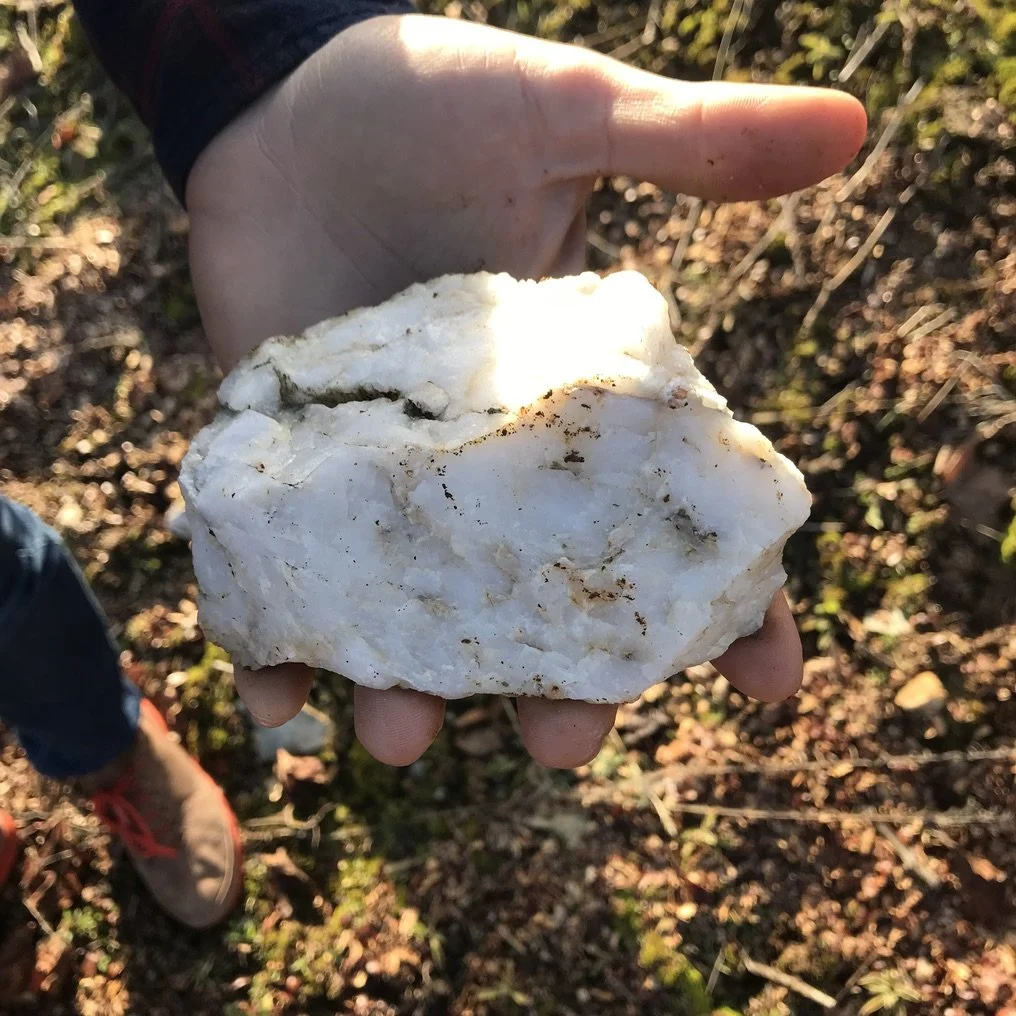
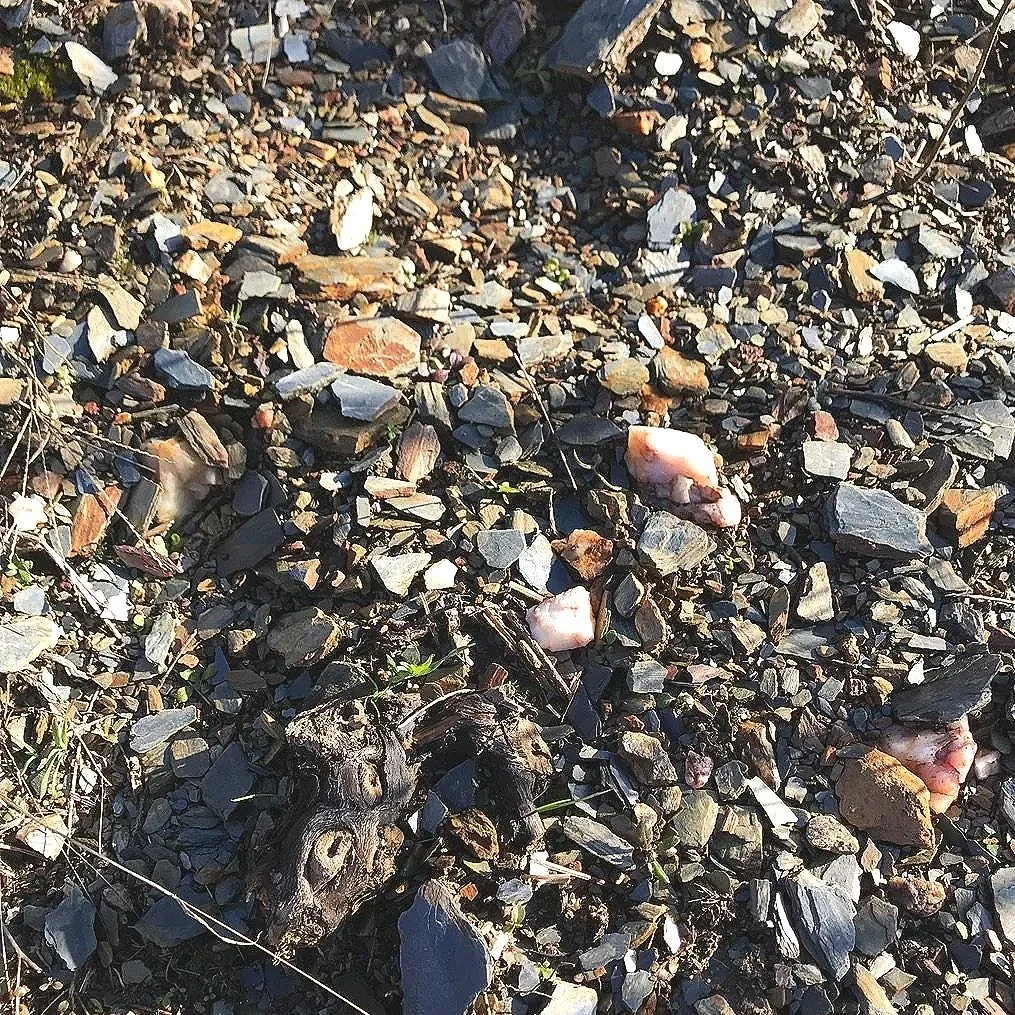
Soils: Valtuille: Sandy loam with ferrous clay base, stones.  Corrulón: slate with chalk, quartz, white slate
Vineyards: Approx 20ha
Farming: Organic, Regenerative
Varieties: Mencía, Marenzao, Godello, Doña Blanca, Palomino, and Alicante Bouchet, Estaladiña, Malvasia.
Cellar: Hand harvesting, whole clusters, gravity flow, spontaneous fermentations, no temperature control, native yeasts, minimal intervention, low SO₂, large, old barrels, inox
Proprietors: José Antonio García and Julia Peña
Viticulture: José Antonio García
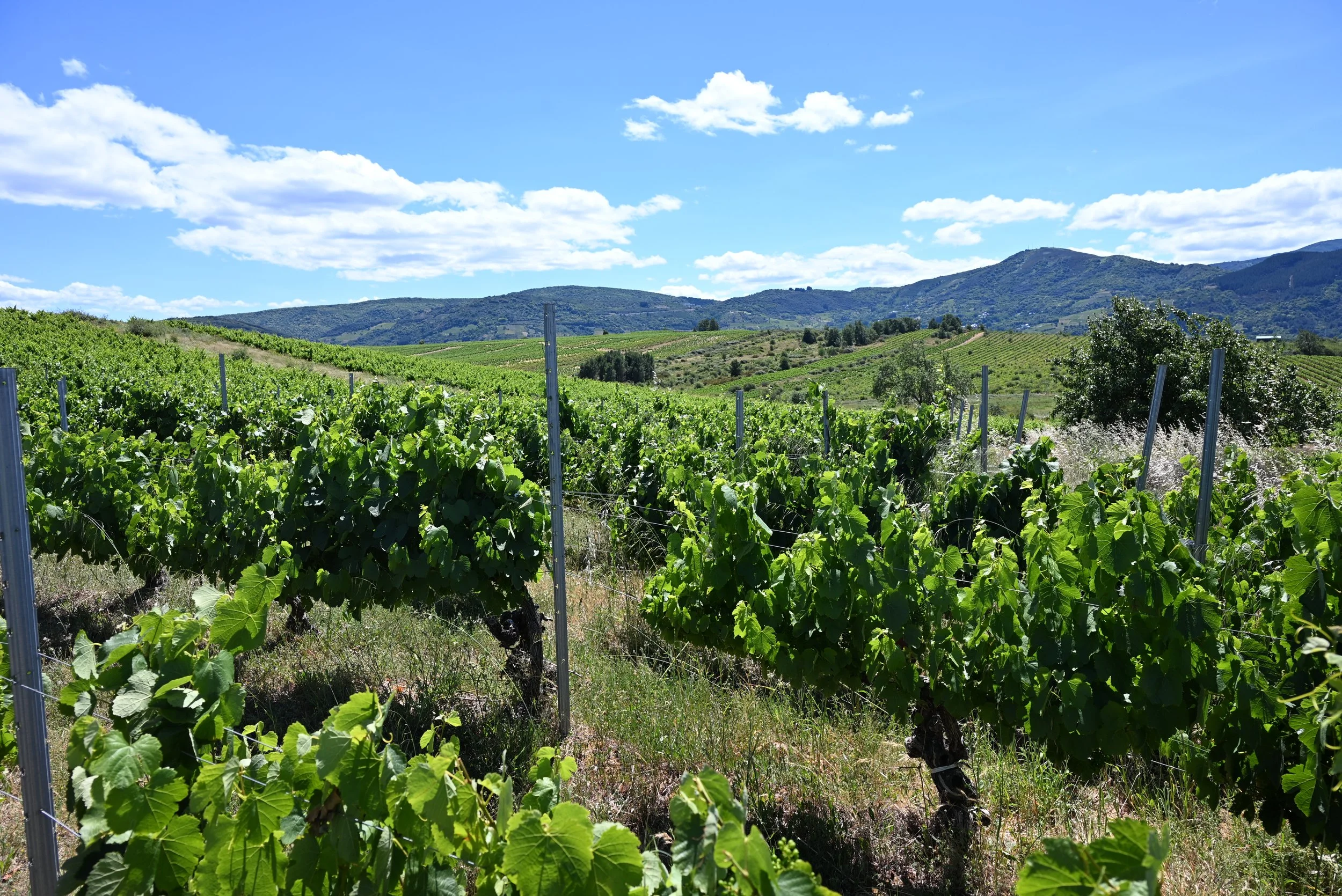
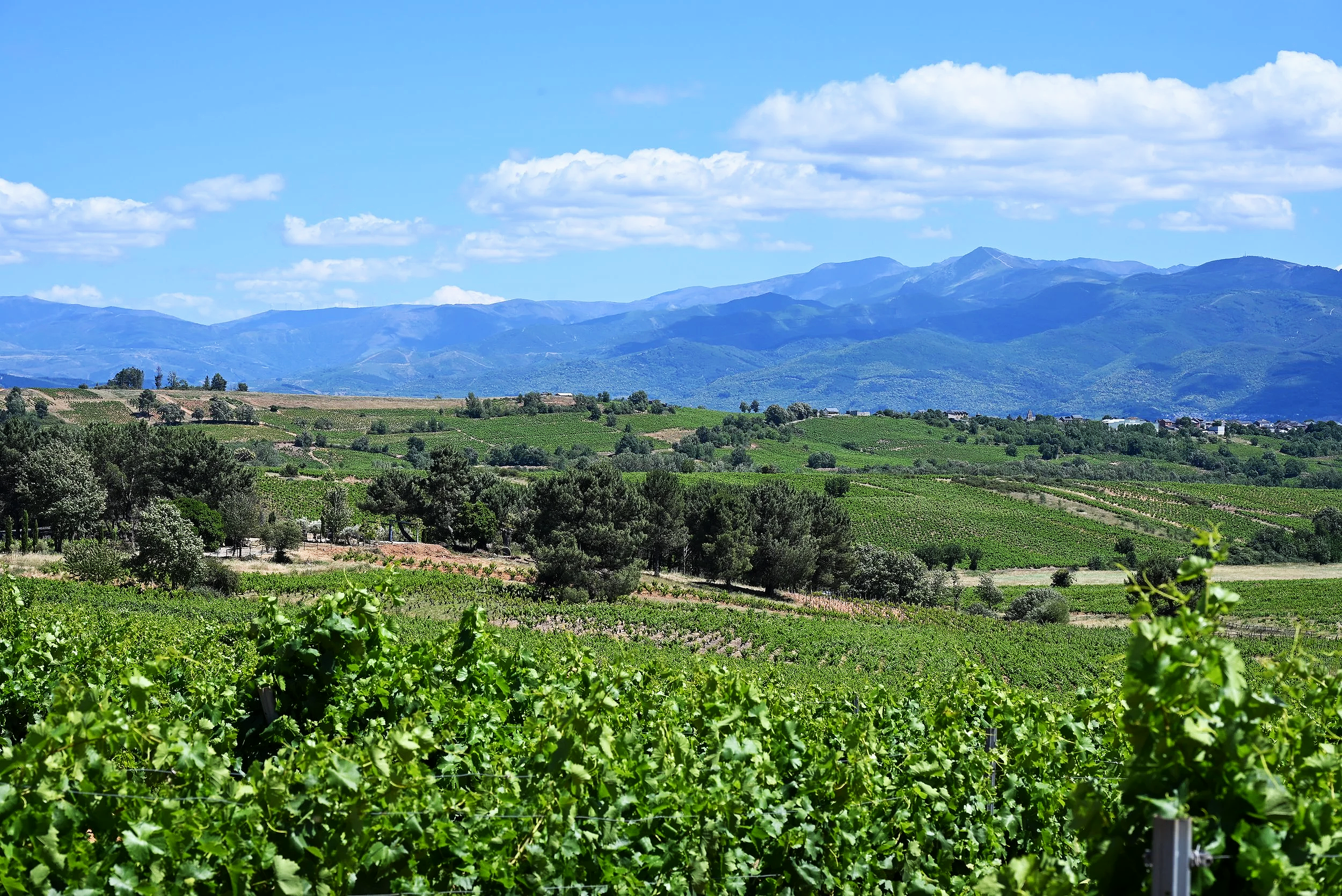
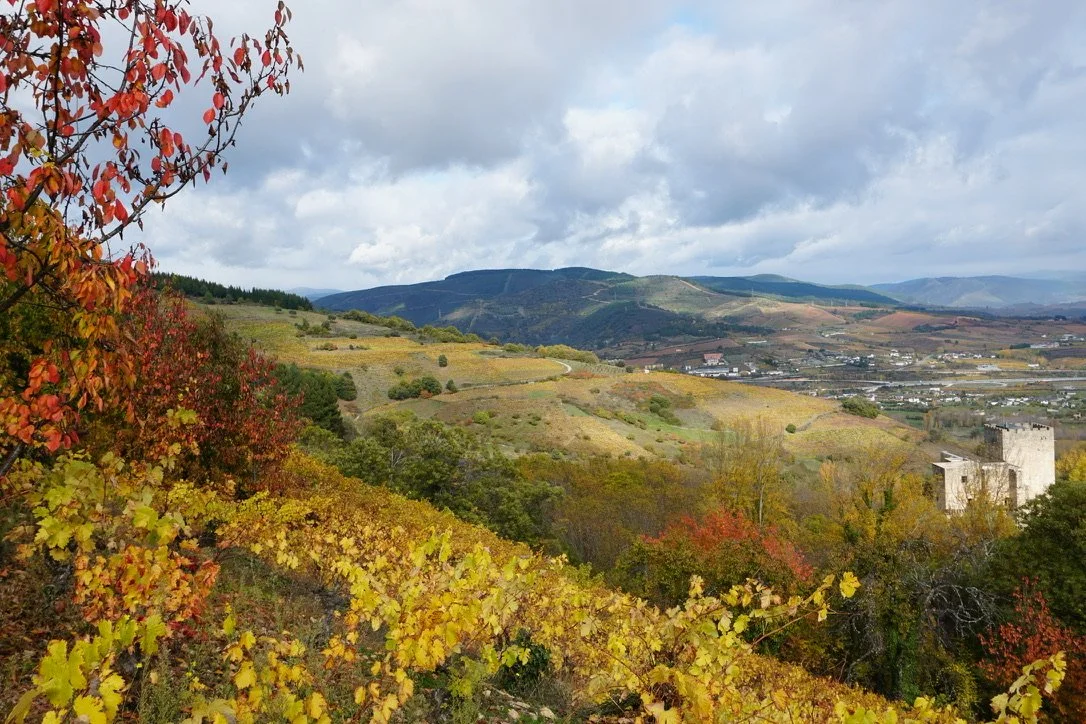
Winemaker: : José Antonio GarcíaTucked into the mountains of northwestern Spain, Bierzo is one of the most exciting regions in the modern Spanish wine landscape. It is an area of incredible natural beauty with the surrounding mountains providing a dramatic backdrop to one of Spain’s great viticultural regions. Bierzo is an isolated natural amphitheater surrounded by the Sierra de los Ancares mountains and positioned between Castilla y León, Asturias, and neighboring Galicia, it enjoys a unique convergence of Atlantic freshness and continental warmth. This geographic position benefits Bierzo with abundant rainfall and its rivers form an integral part of the Miño-Sil watershed. Long winters, warm but relatively short summers, and dramatic day-to-night temperature swings allow grapes to ripen slowly and evenly, preserving freshness, aromatic complexity, and remarkable balance.
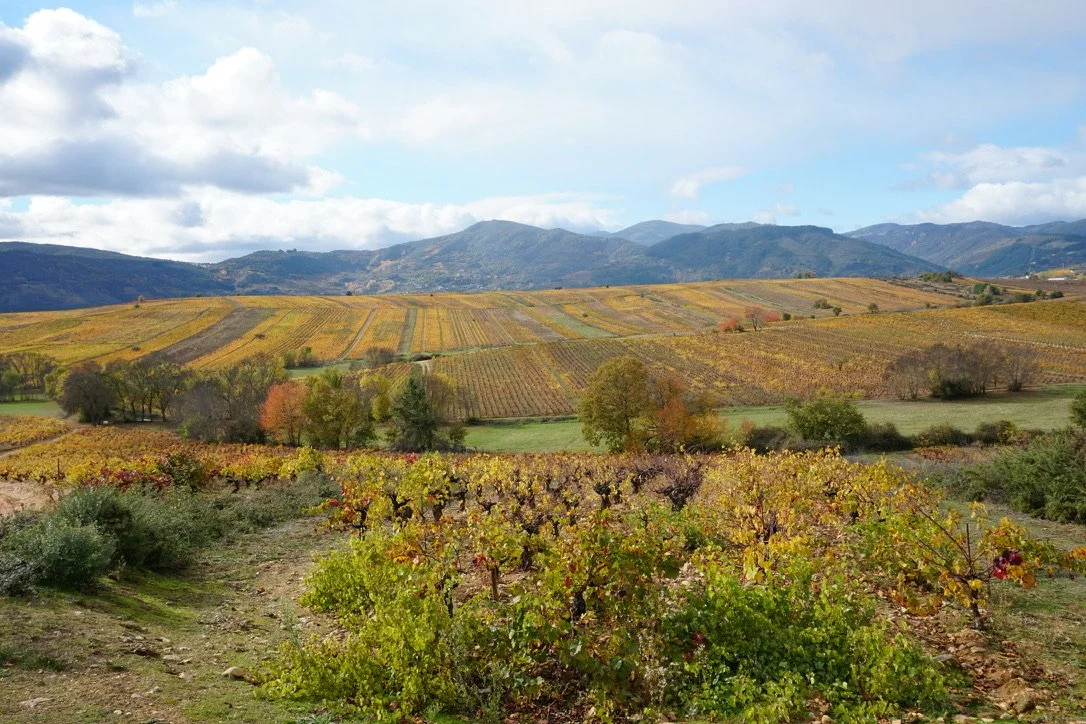
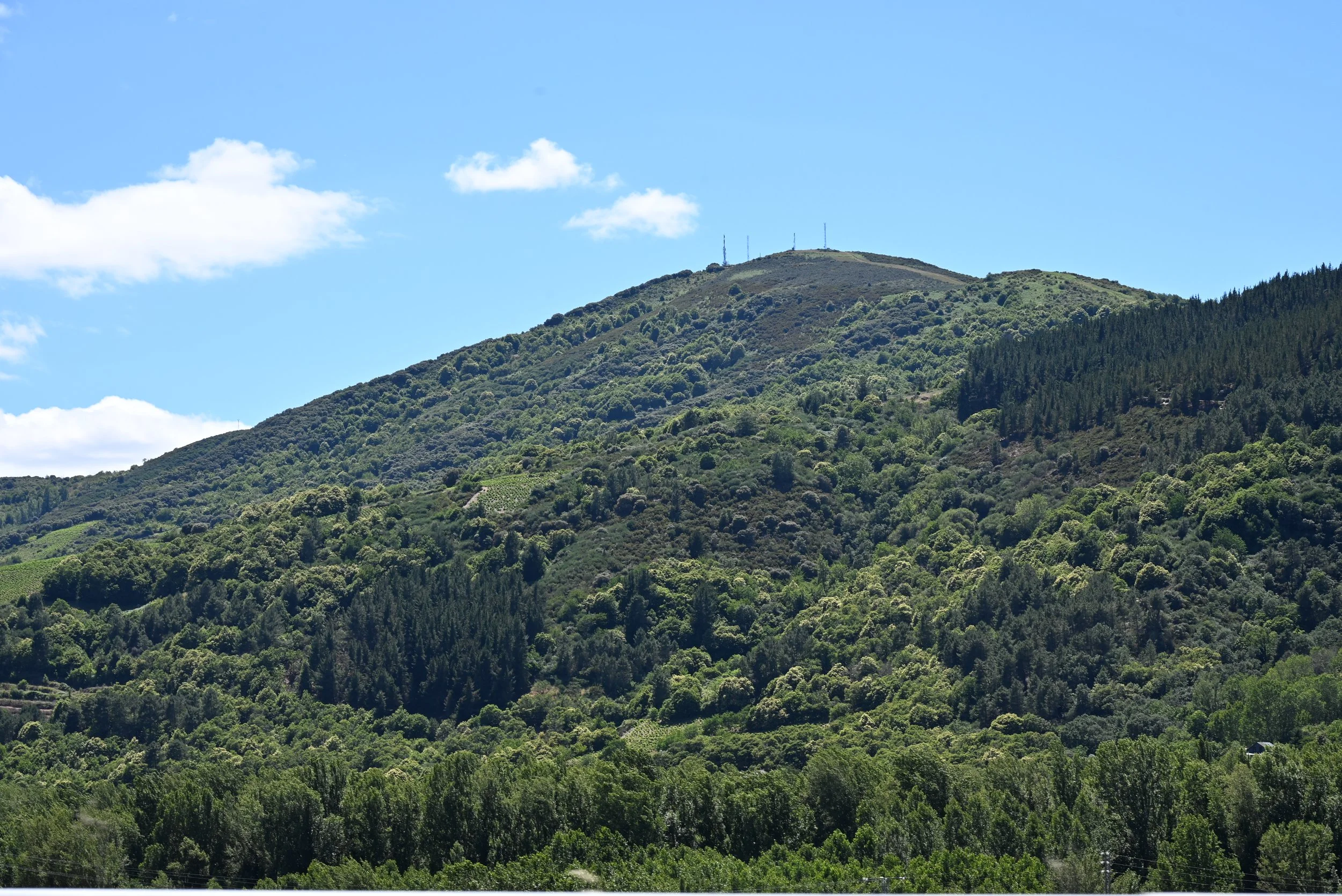
The region's geography is equally diverse, offering a rich array of elevations and aspects. The broad valley floor and rolling hills around Valtuille de Abajo give way to the steep mountainsides of Corullón, where soils transition from clay, sand, and iron-rich deposits to fractured slate and quartz. This combination of elevation, exposure, and geology has created one of Europe's most compelling and complex mosaics of vineyard sites.
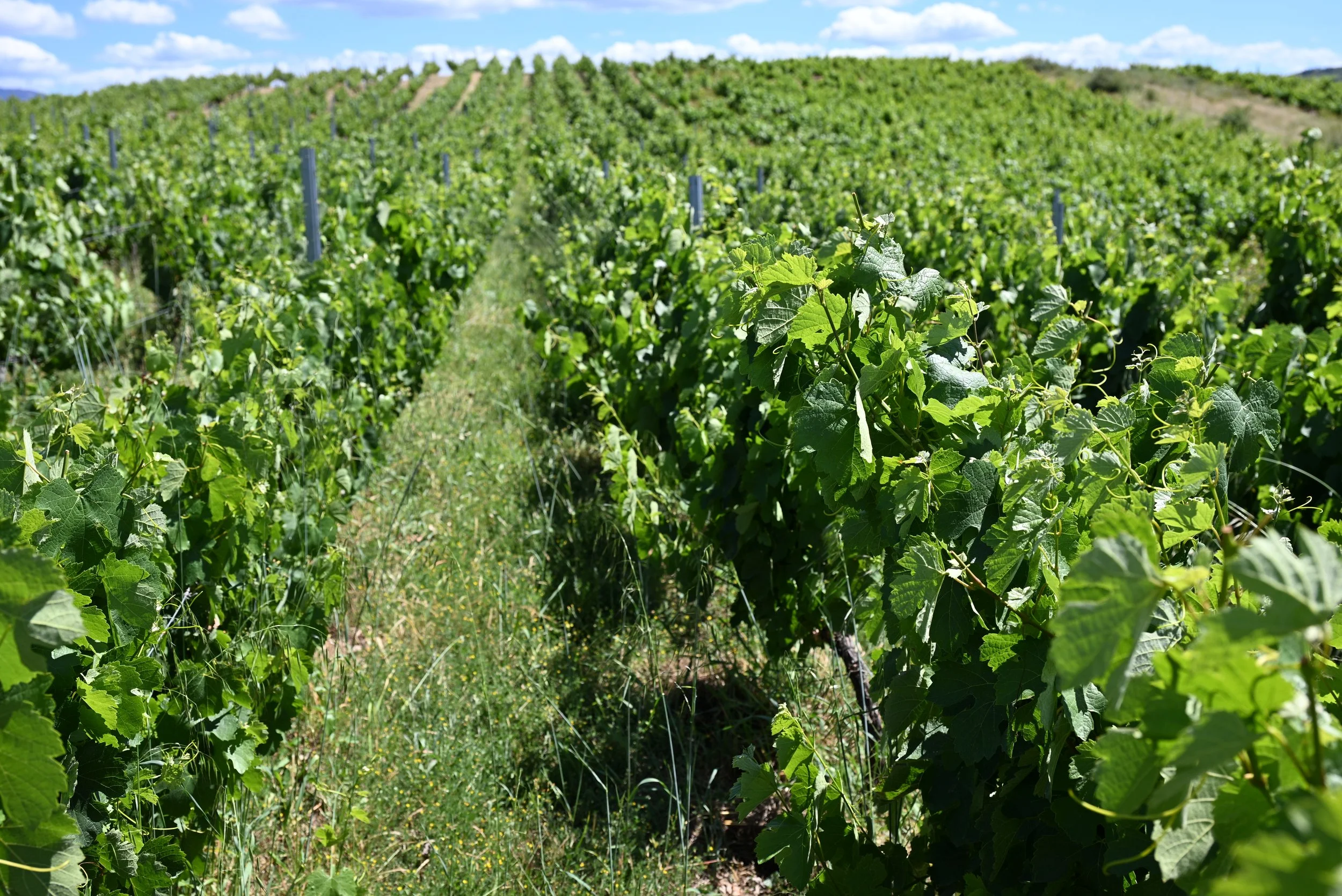
Just as important is Bierzo's extraordinary viticultural heritage of tiny plots of old-vines. The landscape remains defined by minifundios - tiny family-owned vineyard parcels that have been passed from one generation to the next. Many were planted well before the modernization of Spanish viticulture, preserving ancient genetic material and traditional field blends of Mencía, Merenzao, Garnacha Tintorera, and Estaladiña alongside native white varieties including Godello, Doña Blanca, Palomino, and Malvasía. Rather than focusing on a single grape variety, Bierzo's greatest wines have always expressed the individuality of these historic sites through the co-fermentation of everything planted together in the vineyard.
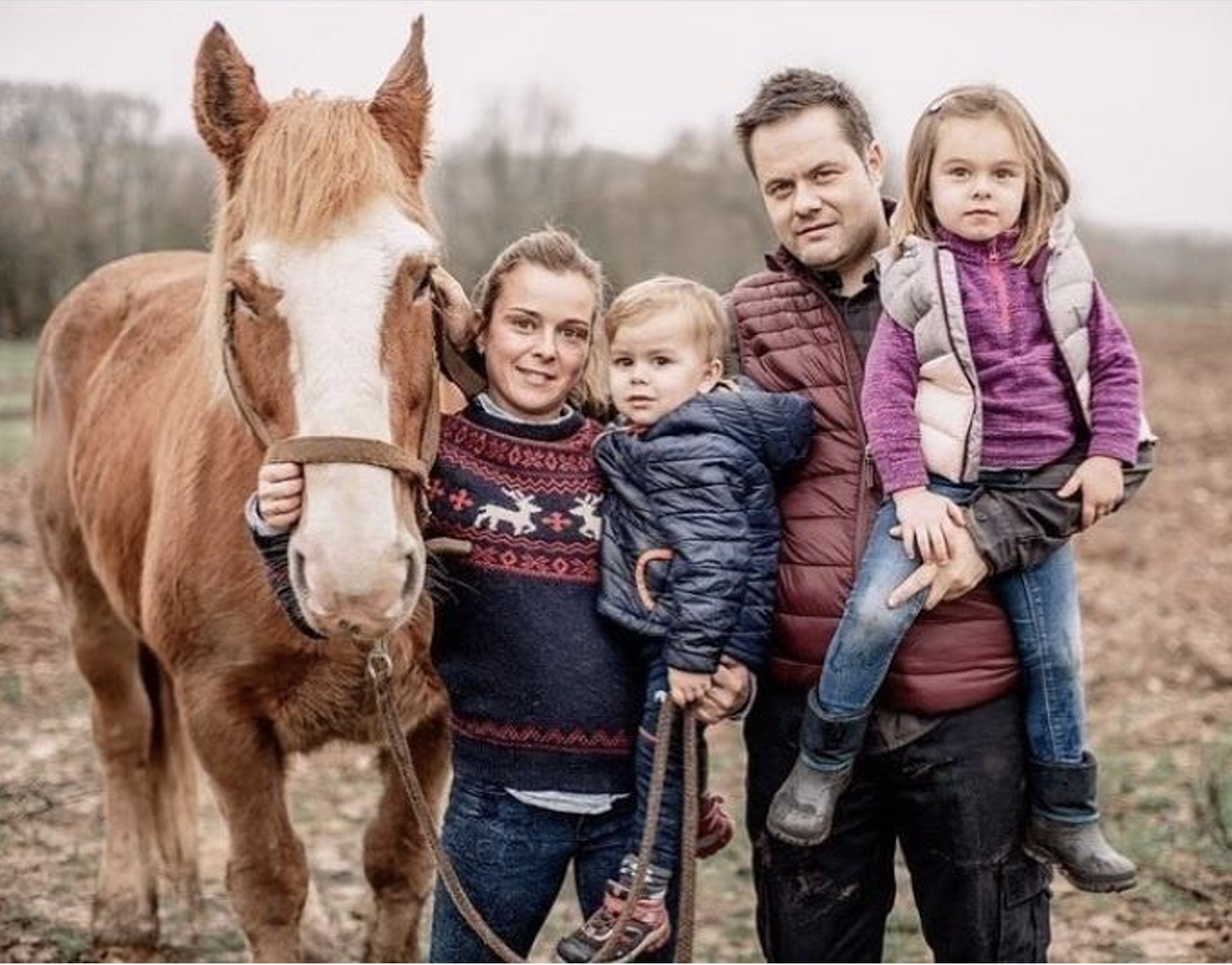
It is within this landscape that José Antonio García and his partner, Julia Peña, have chosen a path rooted in patience, recovering old vineyards, hard work, and an unwavering commitment to uncovering an authentic expression of Bierzo.
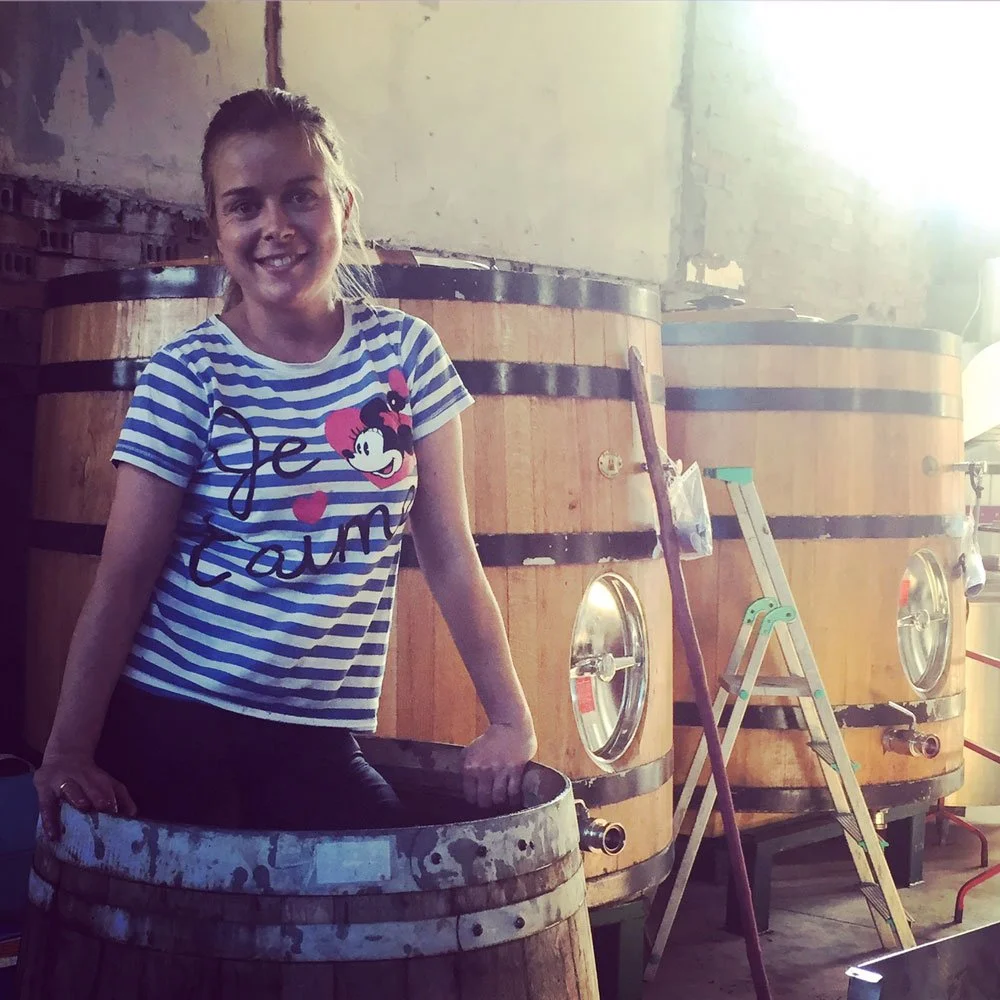
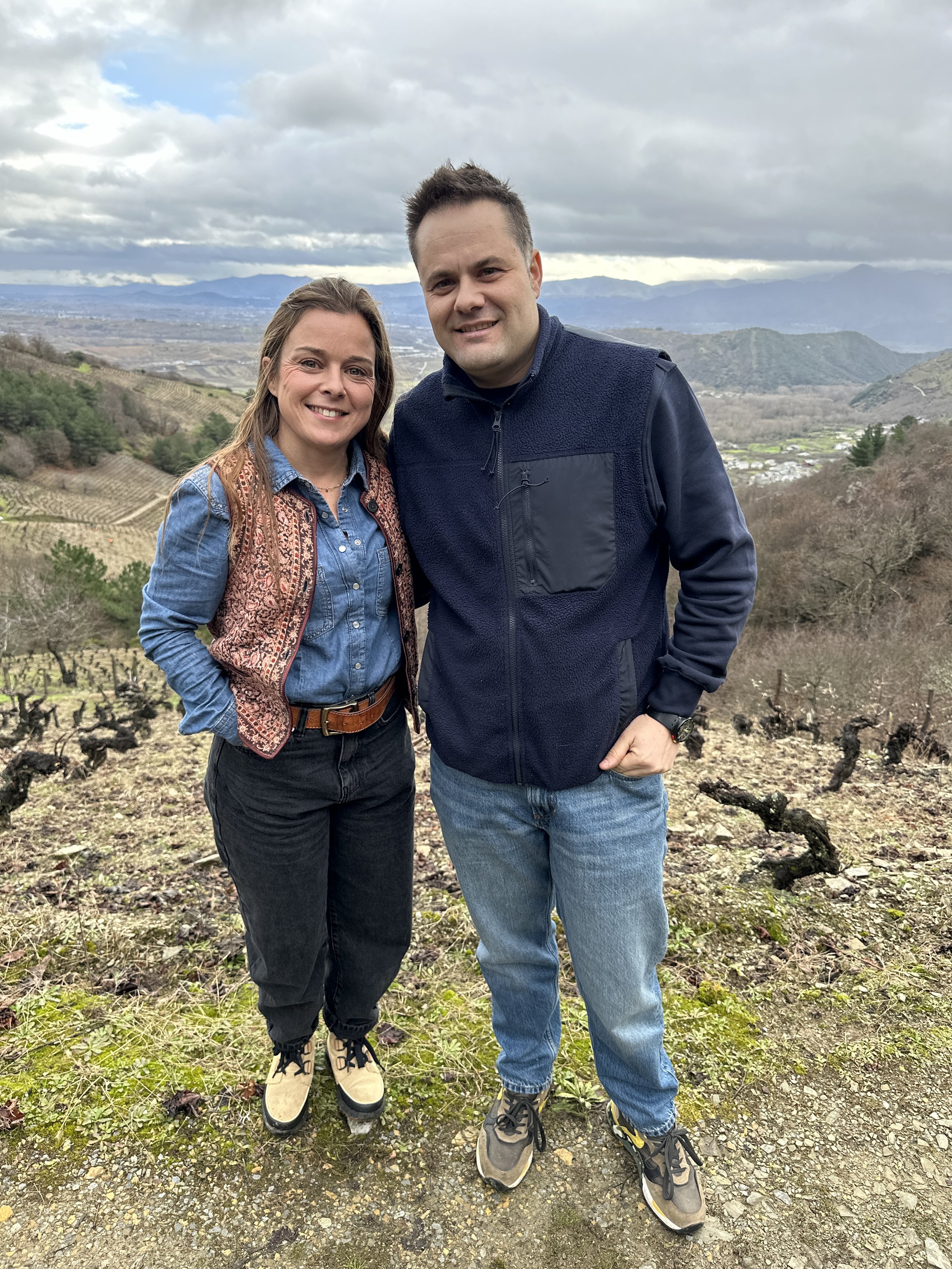
Although José Antonio spent his childhood in Barcelona after his family left Bierzo, he never forgot his roots in the region. His family history spans the villages that would later define his wines. His father's family comes from Corullón, while his mother's family traces their roots to Corullón and Valtuille de Abajo. José comes from generations of his family to farm vineyards throughout Bierzo, a history that eventually drew him home. Early in his career, he owned a small restaurant outside Barcelona, where he developed an appreciation for fine wine before returning to Valtuille de Abajo in 2010 to begin working his grandfather's three hectares of vineyards. During those first harvests, he honed his craft alongside his neighbor, the renowned Raúl Pérez. It was around this time that he met his future wife and winemaking partner, Julia Peña, who grew up in nearby Ponferrada and studied law in Madrid. Julia enjoys horseback riding in the Bierzo countryside and has brought her unique perspective and energy to the project, which includes gently foot-crushing their production.
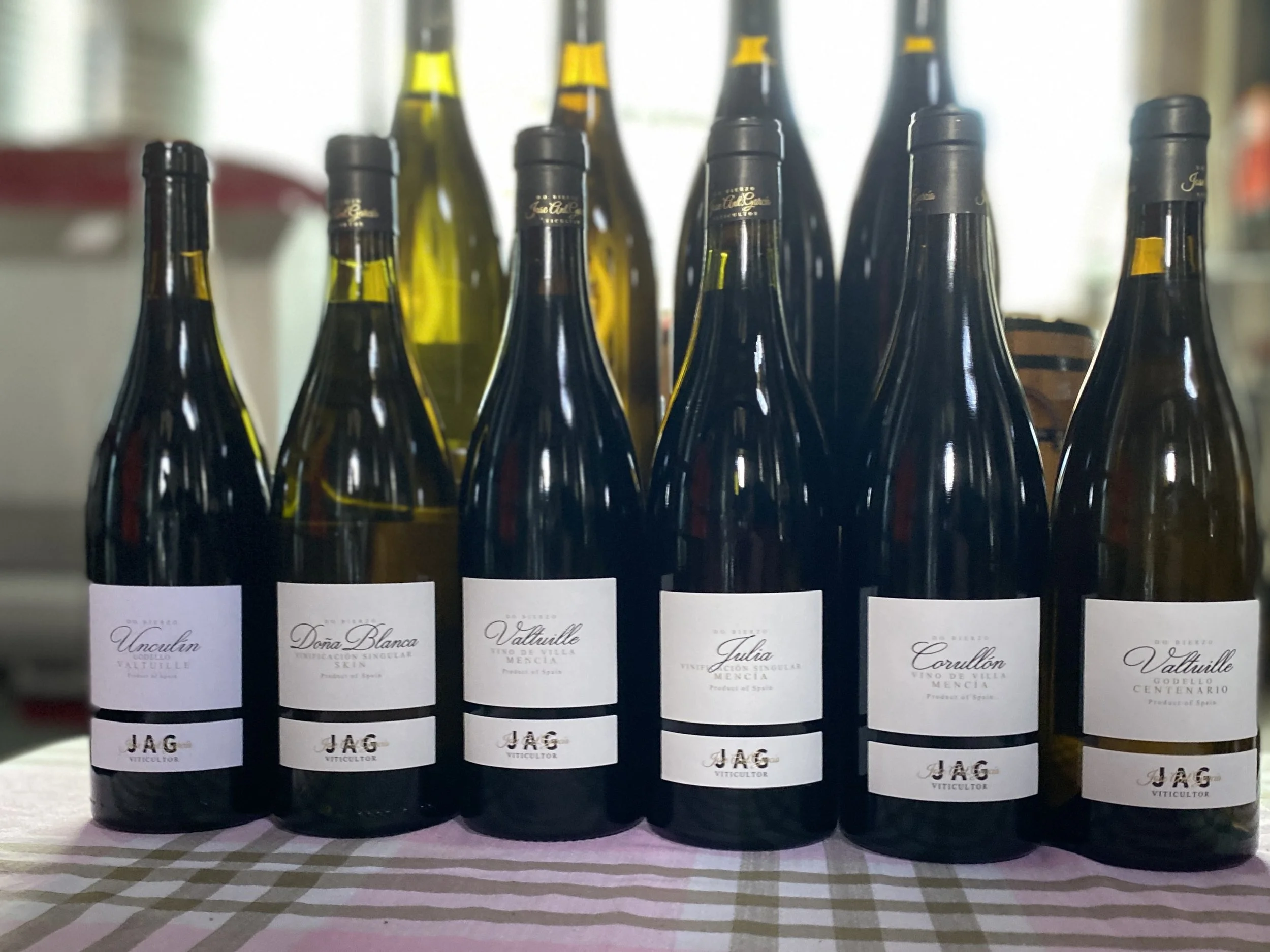
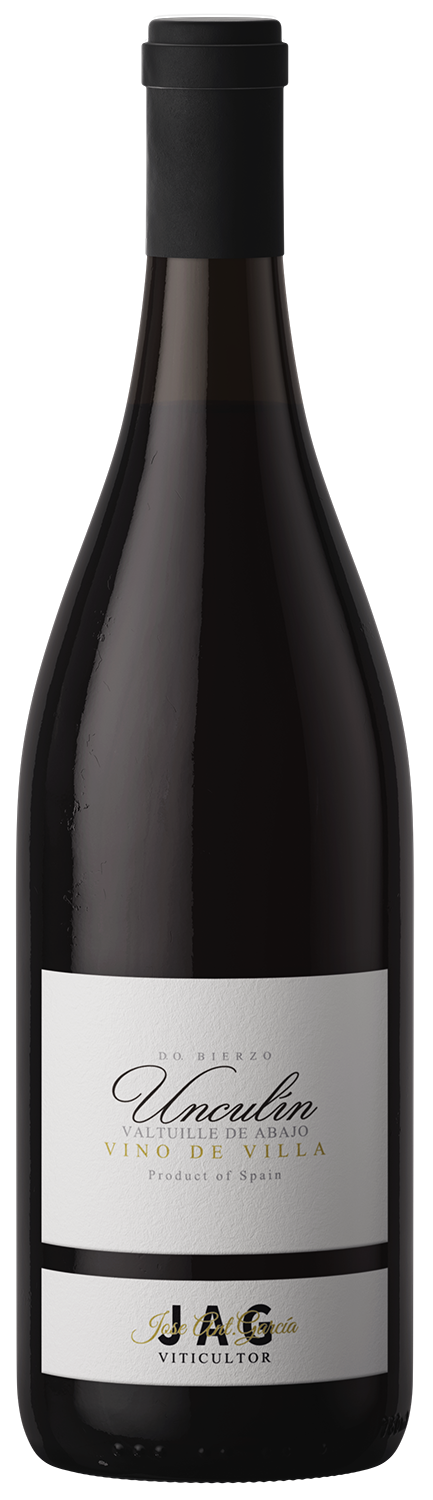
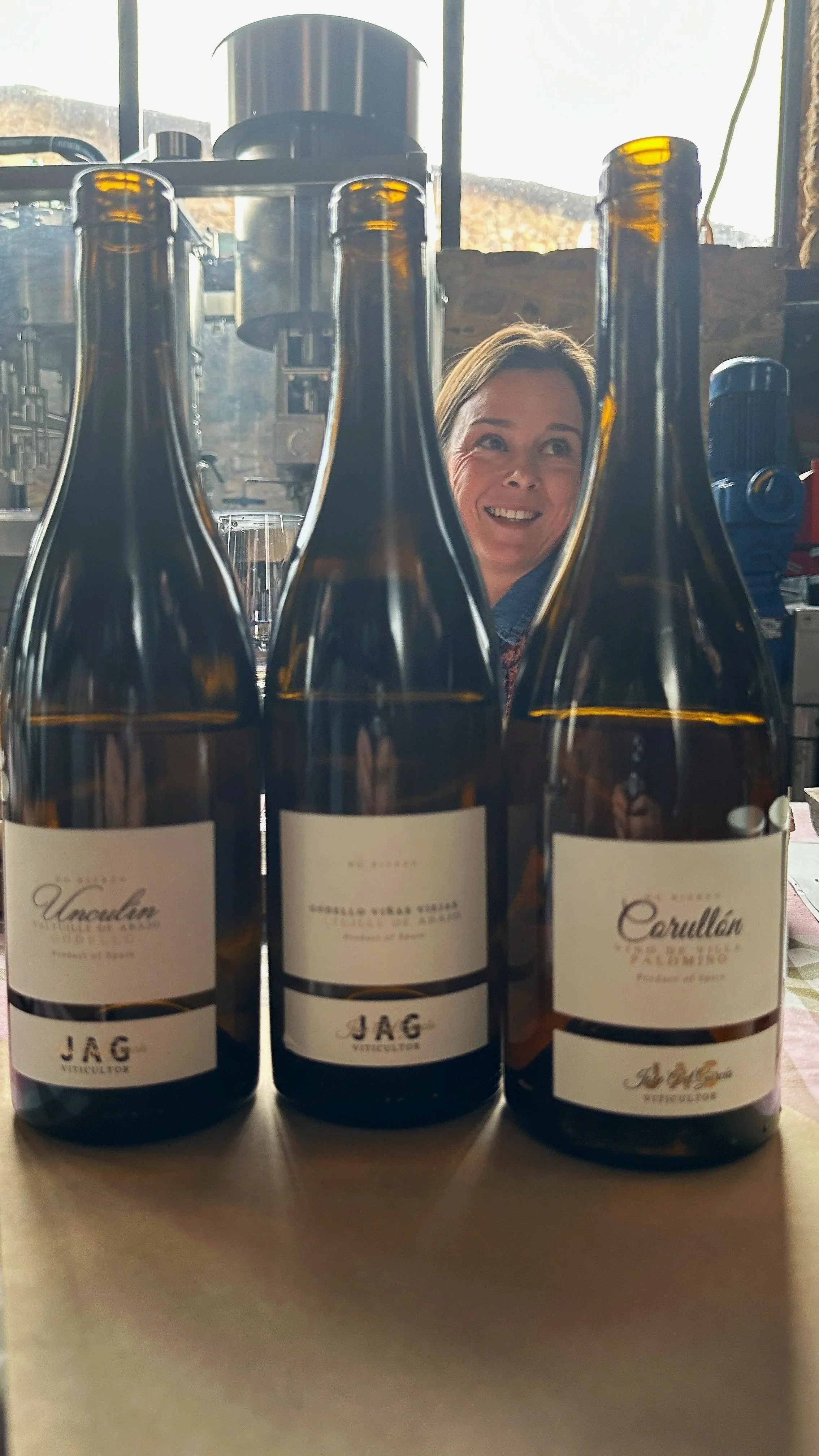
JAG Vitiultor’s first commercial vintage arrived in 2011 with Unculín, a joyful, vibrant Mencía that offered a refreshing alternative to the heavily extracted styles then common in Bierzo. While approachable and full of energy, it also reflected the philosophy that would come to define the project: work by hand, farm organically, preserve old vineyards, and allow each site to speak with as little interference as possible.
"Bush vines, poor soils, Atlantic climate... All of these factors influence the personality of our wines. Spontaneous fermentations, minimal intervention, respect for what the land gives us. Each bottle is a sincere expression of a landscape, a moment, and a way of understanding viticulture."
José often says that the first decade of the project was devoted to recovering and organizing vineyards. Old family parcels were painstakingly reacquired and restored. Neglected vineyards were brought back into production, biodiversity returned, and missing rows replanted with traditional varieties chosen specifically for each site's soils and exposure. Rather than expanding through large contiguous estates, José and Julia embraced the fragmented nature of Bierzo, assembling a remarkable collection of 154 tiny vineyard parcels planted around 1917 and 1947 across Valtuille de Abajo and Corullón that today total approximately 20 hectares.
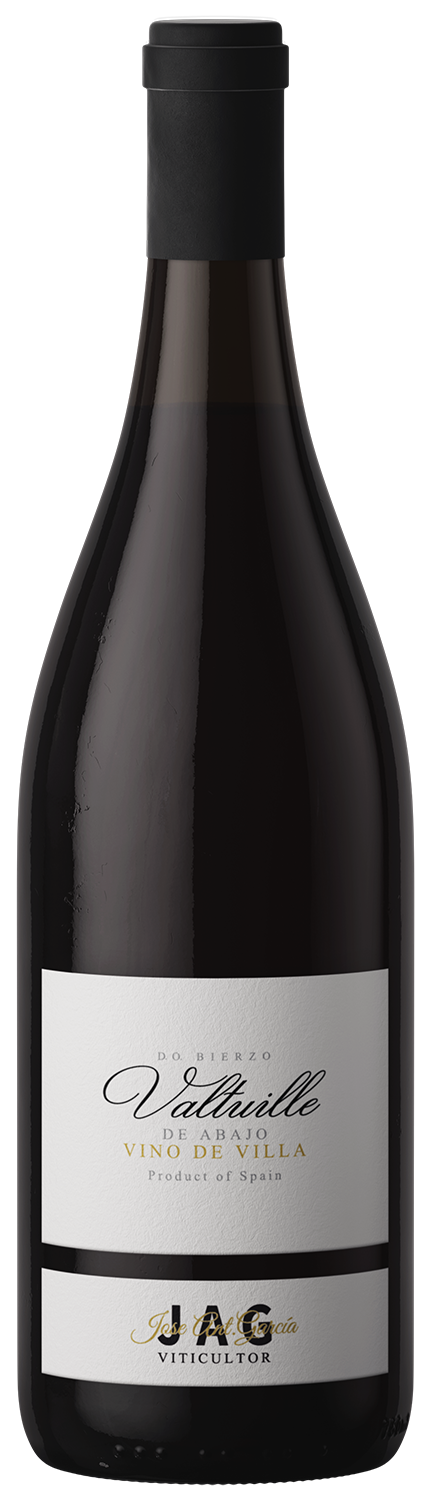
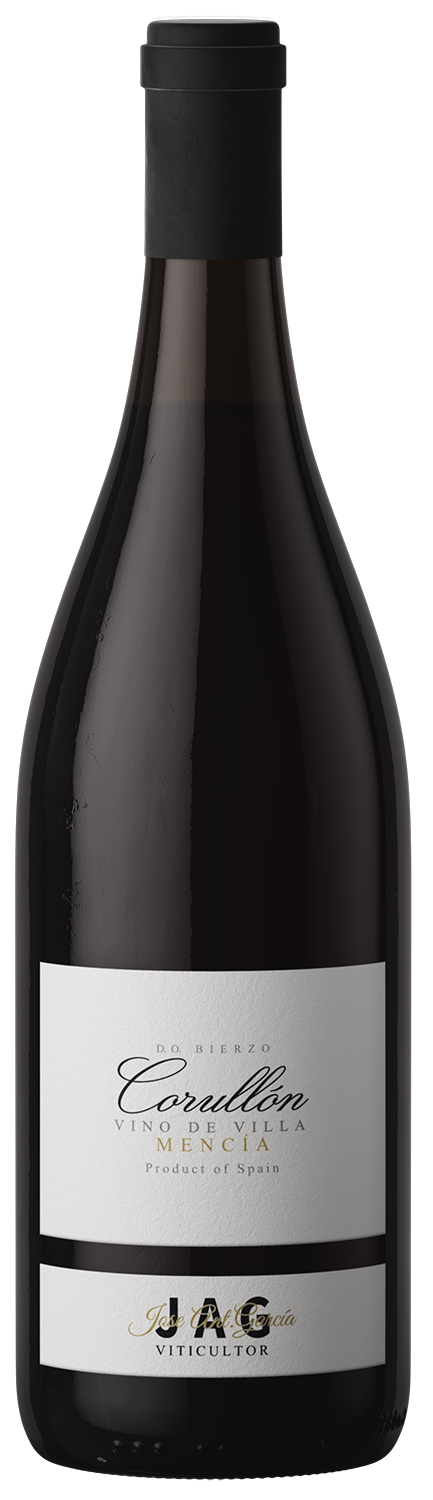
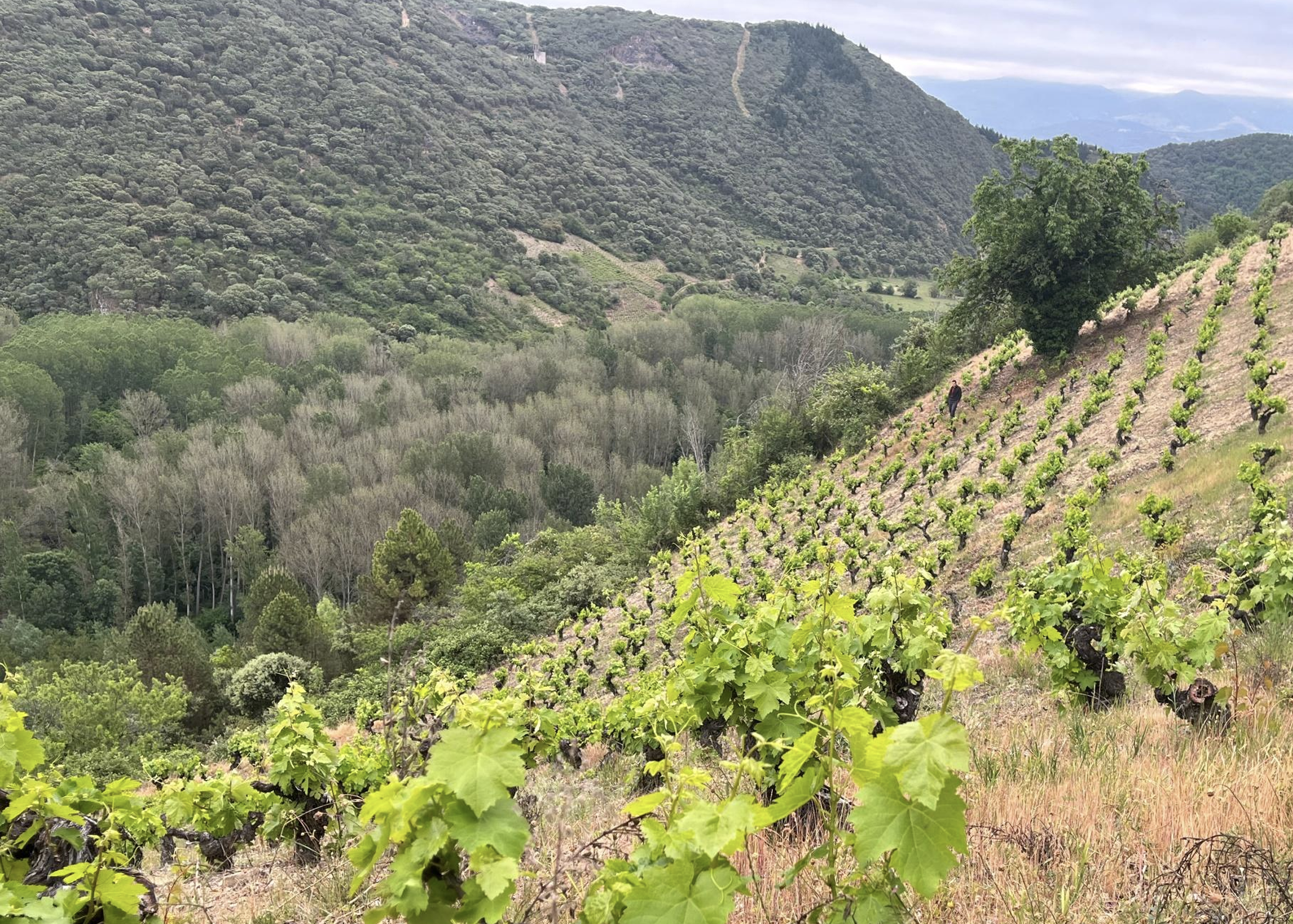
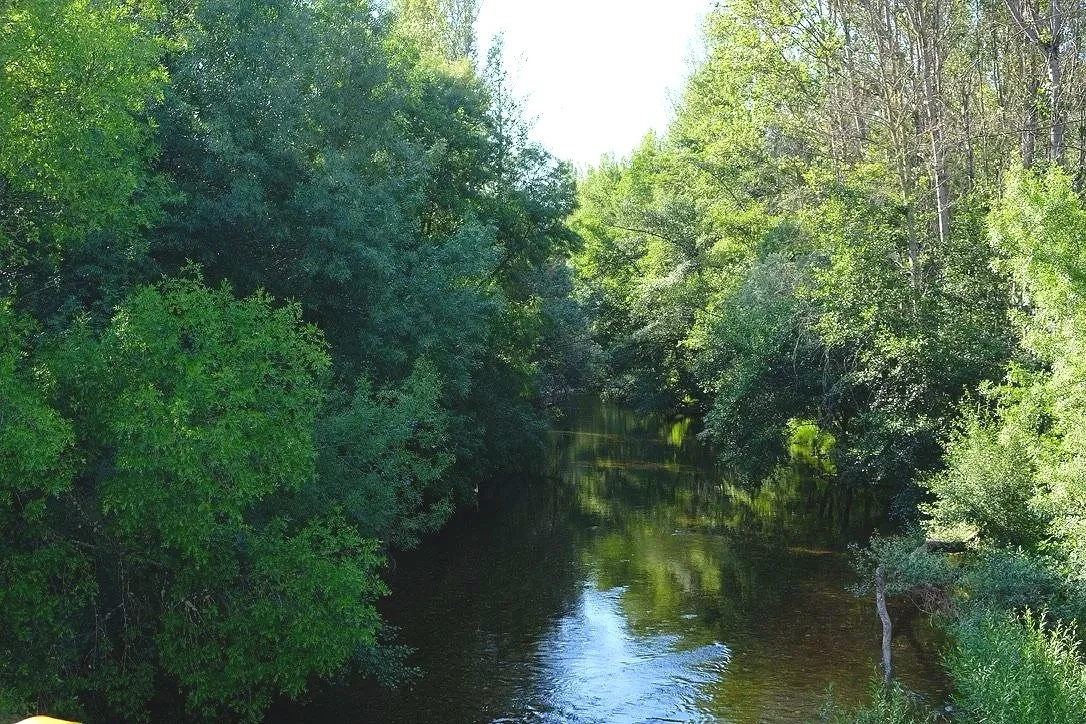
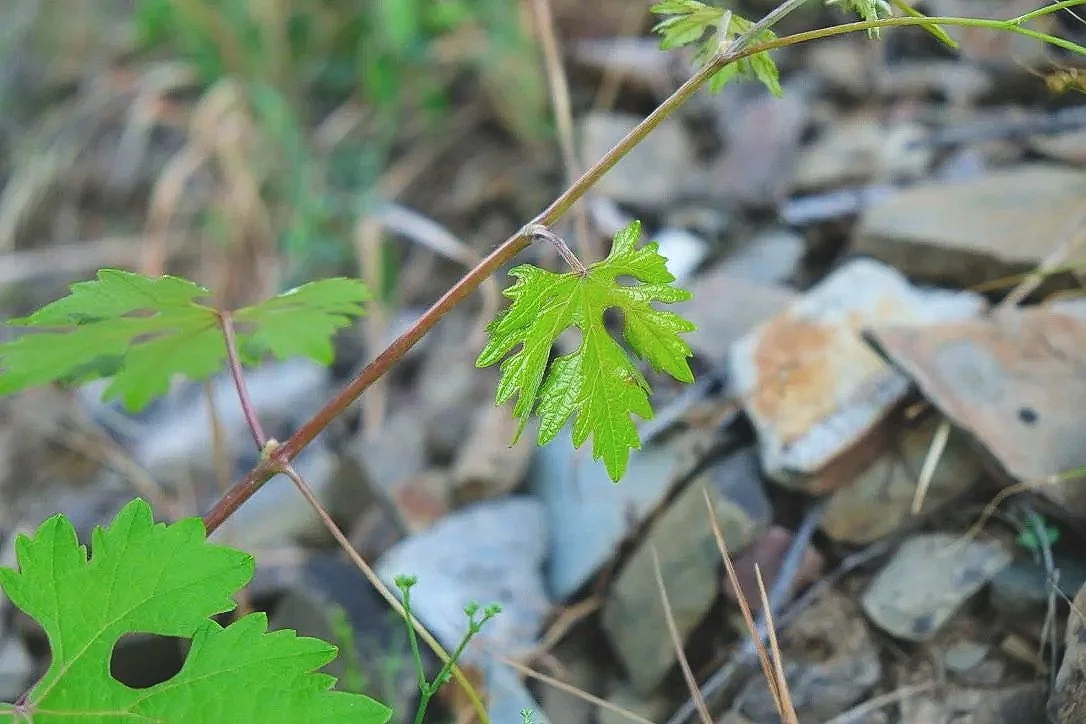
Those vineyards have become the foundation of the estate, with vines planted in well-known parajes in Valtuille de Abajo, such as El Rapolao, Villegas, La Raposa, Mata Los Pardos, and in Fontouliña, Fontelas (San Martín) in Corullón. These are usually vinified separately and the sites are then blended gradually. Around Valtuille de Abajo, lower elevations of clay, sand, and iron-rich soils produce wines of perfume, generosity, and supple texture. Across the Río Burbia, the steep slate and quartz slopes of Corullón yield wines of greater mineral tension, structure, and depth. Together, these two villages provide a complete picture of Bierzo's remarkable diversity, with vineyards ranging from roughly 500 to nearly 1,000 meters above sea level.
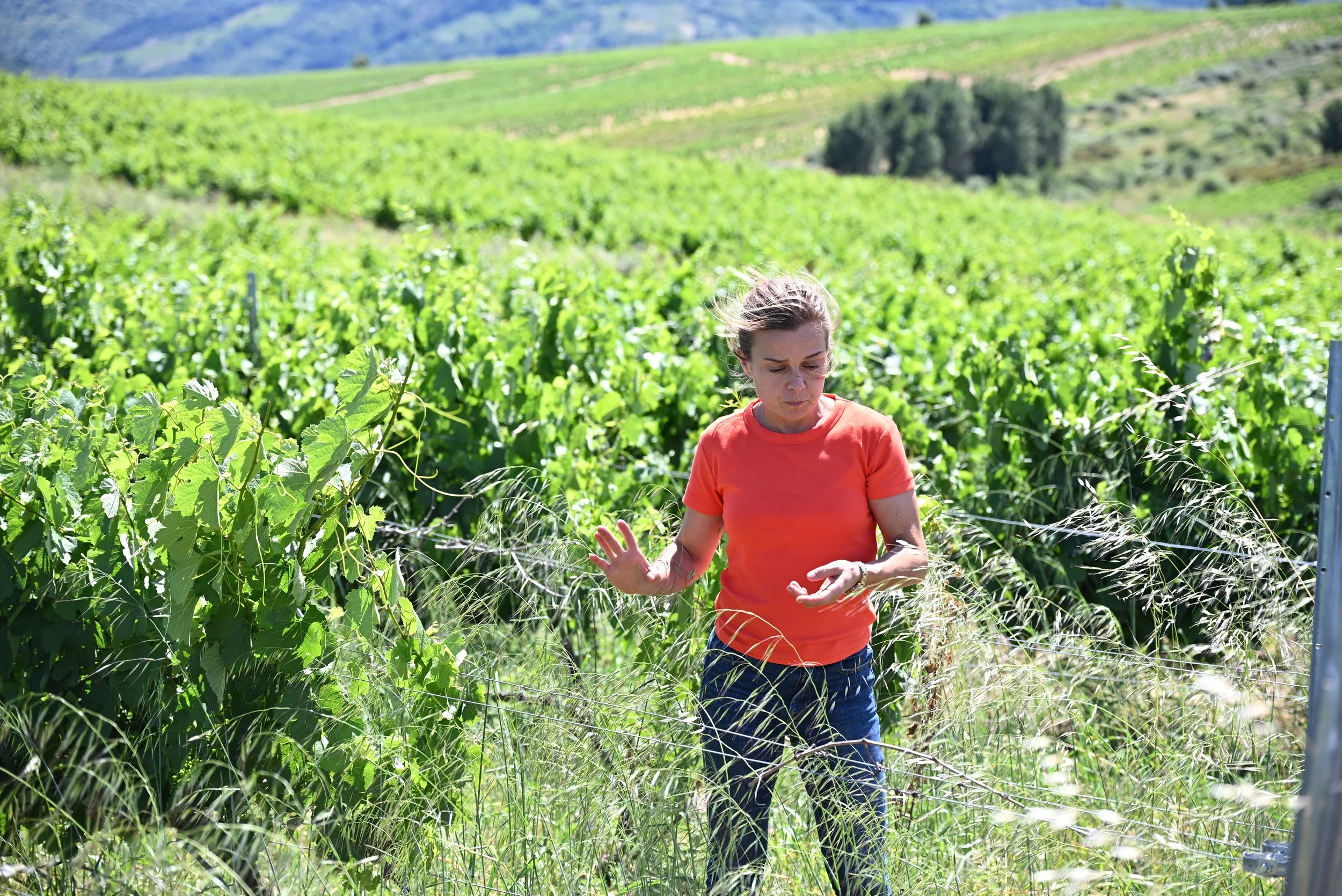
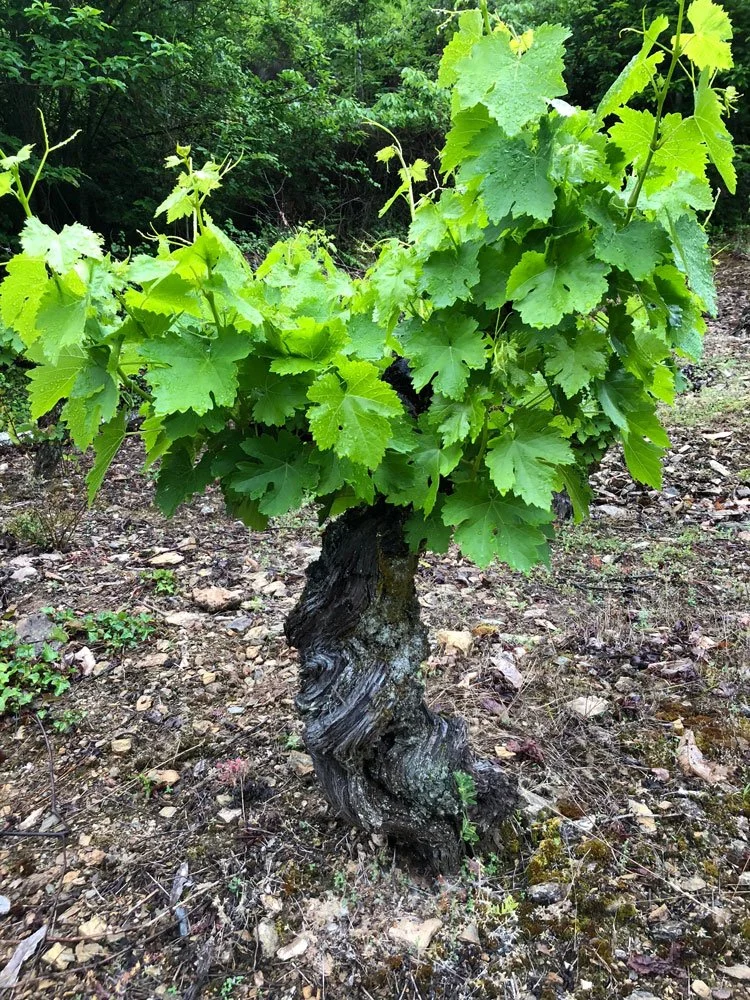
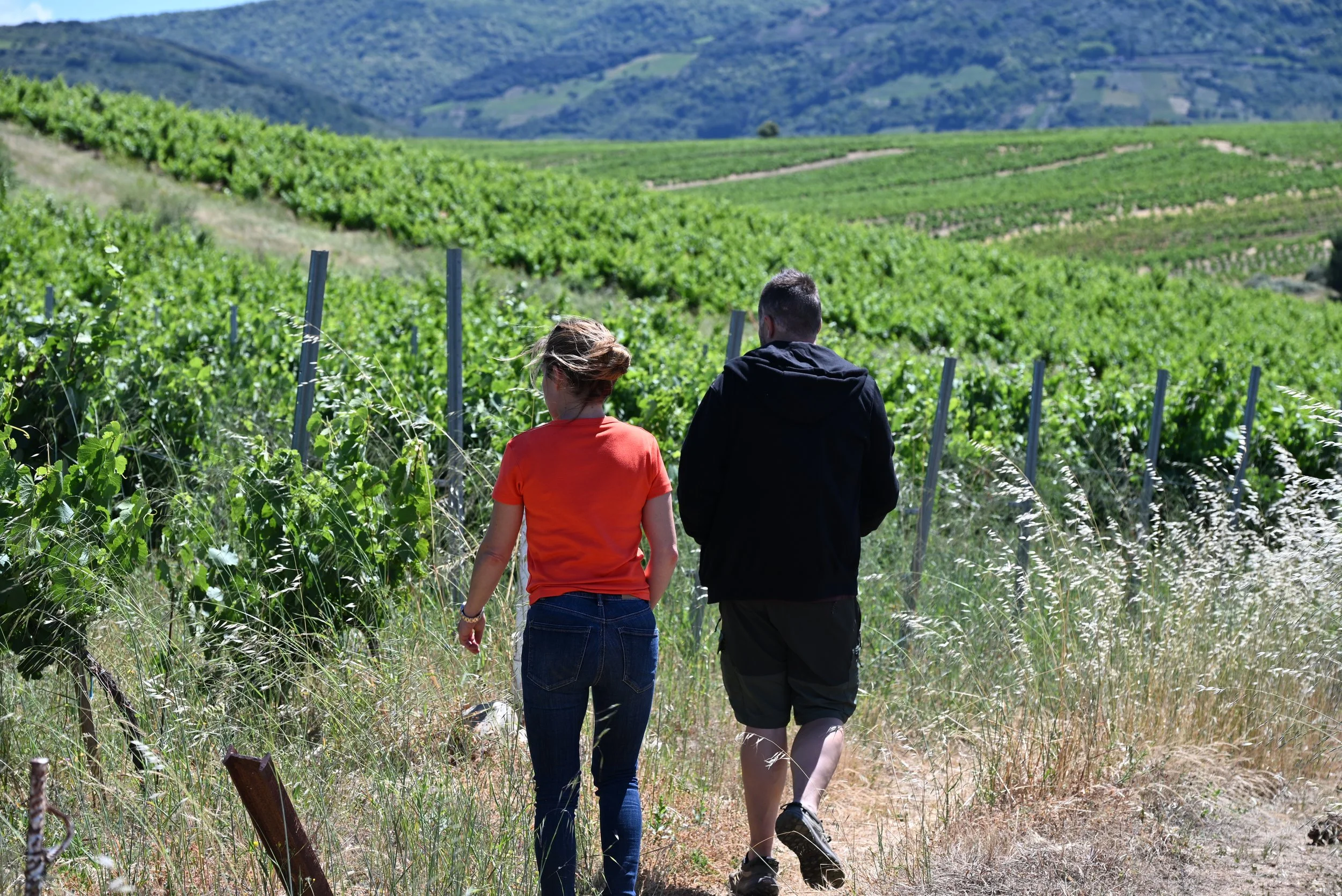
“Many of our vineyards contain bush vines which are among the oldest known vines in the Bierzo region. We farm our vineyards organically, without synthetic inputs, relying instead on local compost, manual viticulture, and meticulous vineyard work. Each plot and vineyard is hand-harvested, with the primary selection made in the vineyard. The steep vineyards in Corullón are 40% - 50% slopes without terraces, which makes the work difficult and dangerous. The work at JAG Viticultor follows the same approach as our ancestors”

As their understanding of their sites have deepened, so too has their winemaking philosophy. Earlier harvesting preserves natural freshness while shorter macerations emphasize precision over extraction. Indigenous fermentations, thoughtful use of whole clusters, restrained élevage, and minimal intervention are employed not as stylistic signatures, but as tools for expressing each vineyard as faithfully as possible.
"With each year, we have realized that everything revolves around the harvest date. Deciding when to start isn't easy, especially when you rely solely on your own intuition and knowledge of the environment. Minimal intervention in the winery is the result of consistent work in the vineyard throughout the year. It's very important to observe and analyze the vineyard's cycles to understand the needs of each plot."
The wines have evolved steadily without ever losing the playful spirit that first defined the project. They remain vibrant, energetic, and unmistakably Bierzo, but today there is greater precision, more layered complexity, and a quiet confidence born from years spent observing each vineyard on its own terms. Rather than imposing a style, they allow each site to determine the wine it becomes according to the vintage.
That evolution mirrors the broader transformation taking place across Bierzo itself. In recent years, the region has embraced a Burgundian-inspired hierarchy recognizing village and single-vineyard wines, reaffirming the importance of origin over production volume. JAG Viticultor has been among the producers helping define this new chapter, crafting wines that celebrate individual villages, historic parajes, and the remarkable diversity contained within this small corner of northwestern Spain.
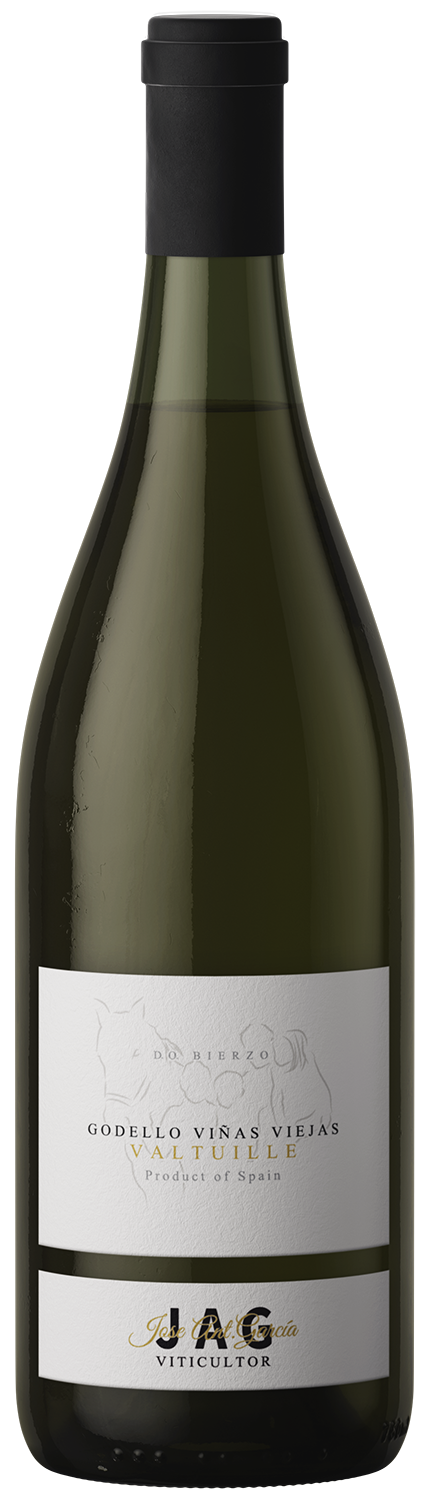
That philosophy is reflected throughout the entire range. Unculín, once conceived as an easy-drinking introduction to Bierzo, has matured into a true Vino de Villa sourced from more than eighty organically farmed parcels in Valtuille de Abajo. From there, the collection becomes increasingly site-specific, with village wines from both Valtuille de Abajo and Corullón highlighting the distinct personalities of each landscape before culminating in tiny productions from individual historic vineyards. Their small-production white wines, drawn from old field blends of Godello, Doña Blanca, Palomino, and other native varieties, are equally compelling, capturing a more traditional expression of Bierzo that is textured, mineral, and quietly complex. JAG’s Godello and Doña Blanca are sourced from El Tesín de la Campana, a centenary vineyard site in Valtuille rich in sandy soils, which consistently produces some of Bierzo’s most distinctive white wines.
"Now I look at wine from a different perspective. I have come to realise that it's necessary to do the opposite of extracting and to manipulate as little as possible."
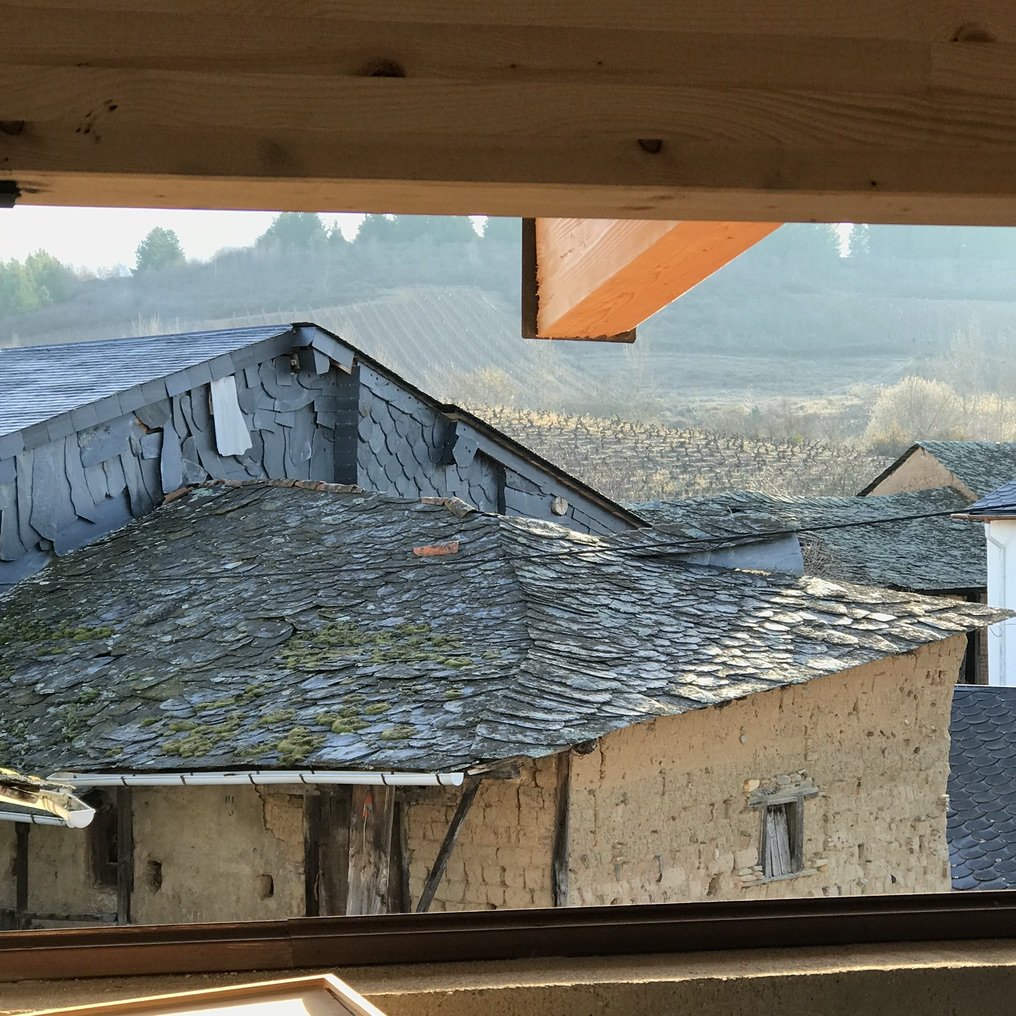
Today, José and Julia produce approximately 75,000 bottles annually while continuing to work the vineyards themselves with the help of a small team. Their winery occupies a centuries-old stone building in Valtuille de Abajo that once belonged to José's grandfather and has been carefully restored by hand. Like the vineyards themselves, the winery reflects a quiet determination to preserve the past while building something that will endure for future generations.
I first met José and Julia more than a decade ago and have had the privilege of watching their journey unfold, vintage by vintage. It has been remarkable to see the project evolve from the youthful energy of those early Unculín bottlings into one of the most thoughtful and compelling family wineries in Bierzo today. Their wines have always possessed charm and drinkability, but they now carry an added sense of precision, depth, and quiet confidence that could only come from years of patient work in extraordinary vineyards. The results are evident in bottles we've opened from our own cellar dating back to 2018, wines that continue to gain nuance and harmony with age and consistently reward patience. While irresistibly enjoyable in their youth, they have also proven themselves capable of evolving beautifully for a decade or more.
JAG Viticultor is all about hard work and evolution in Bierzo: a deeply personal project built by a couple who have integrated their vision of work and life to build something truly special in one of Spain’s most compelling wine regions. Their wines are inseparable from the landscapes and people who shaped them, offering an authentic expression of modern Bierzo while honoring the generations who tended these vineyards long before them.